Select
IN IN
USA USA
PH PH
ZA ZA
Global Global
Mobility Conclave
Pune Chapter 30 July 2026 · Sheraton Grand, Bund Garden · 4–8 PM
mobility conclave logo

Event

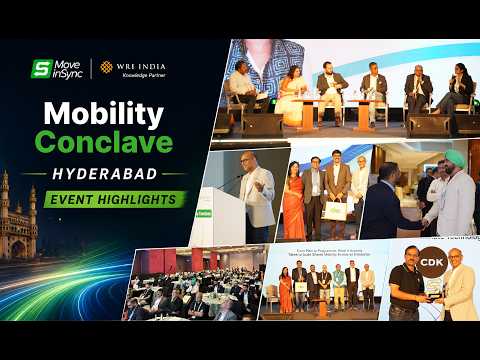
Highlights

Thumbnail

About

Mobility Conclave

Theme : Rethinking Commutes, Enabling Future Growth

12th June 2026 | ITC Kohenur, Hyderabad


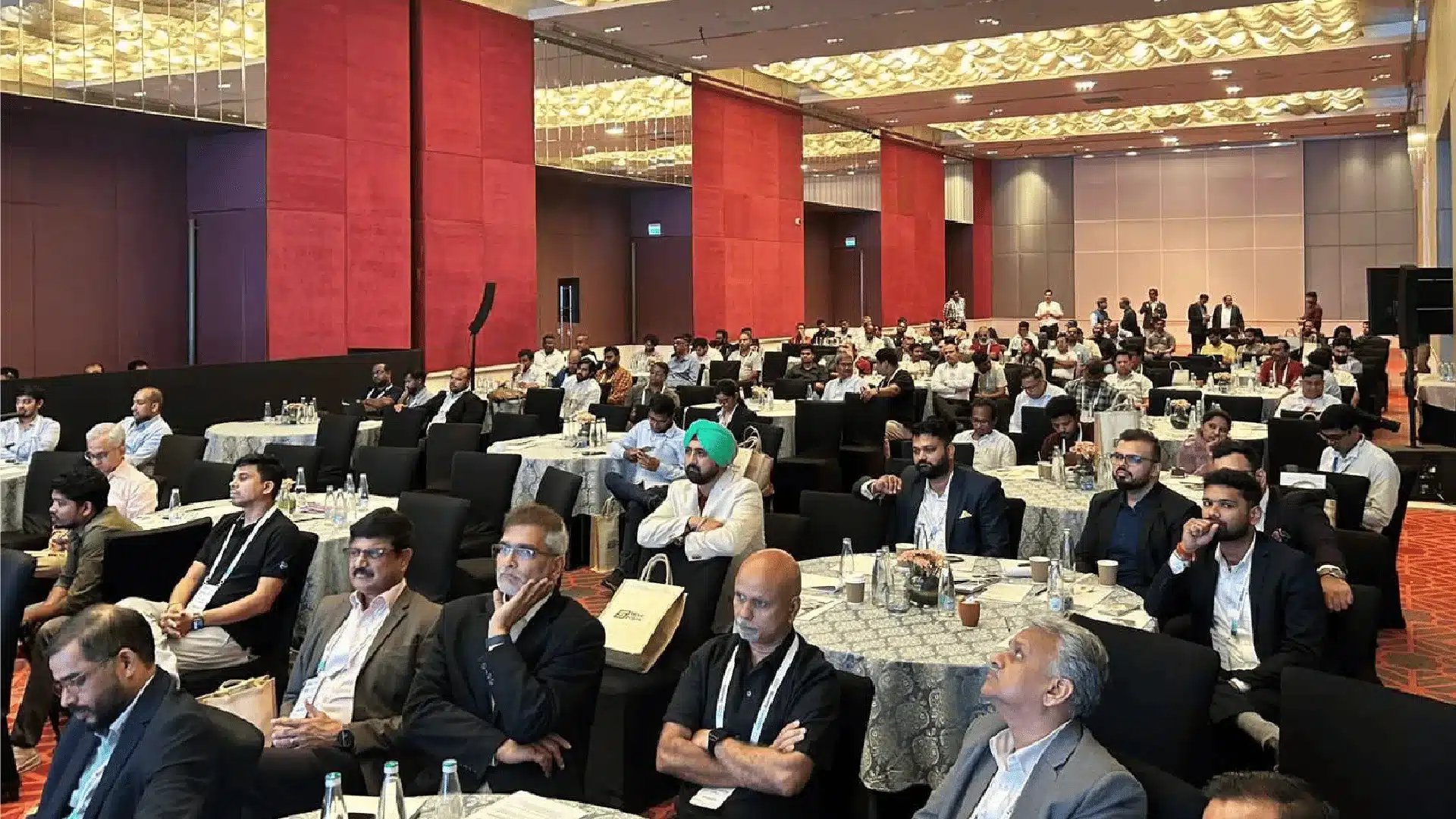
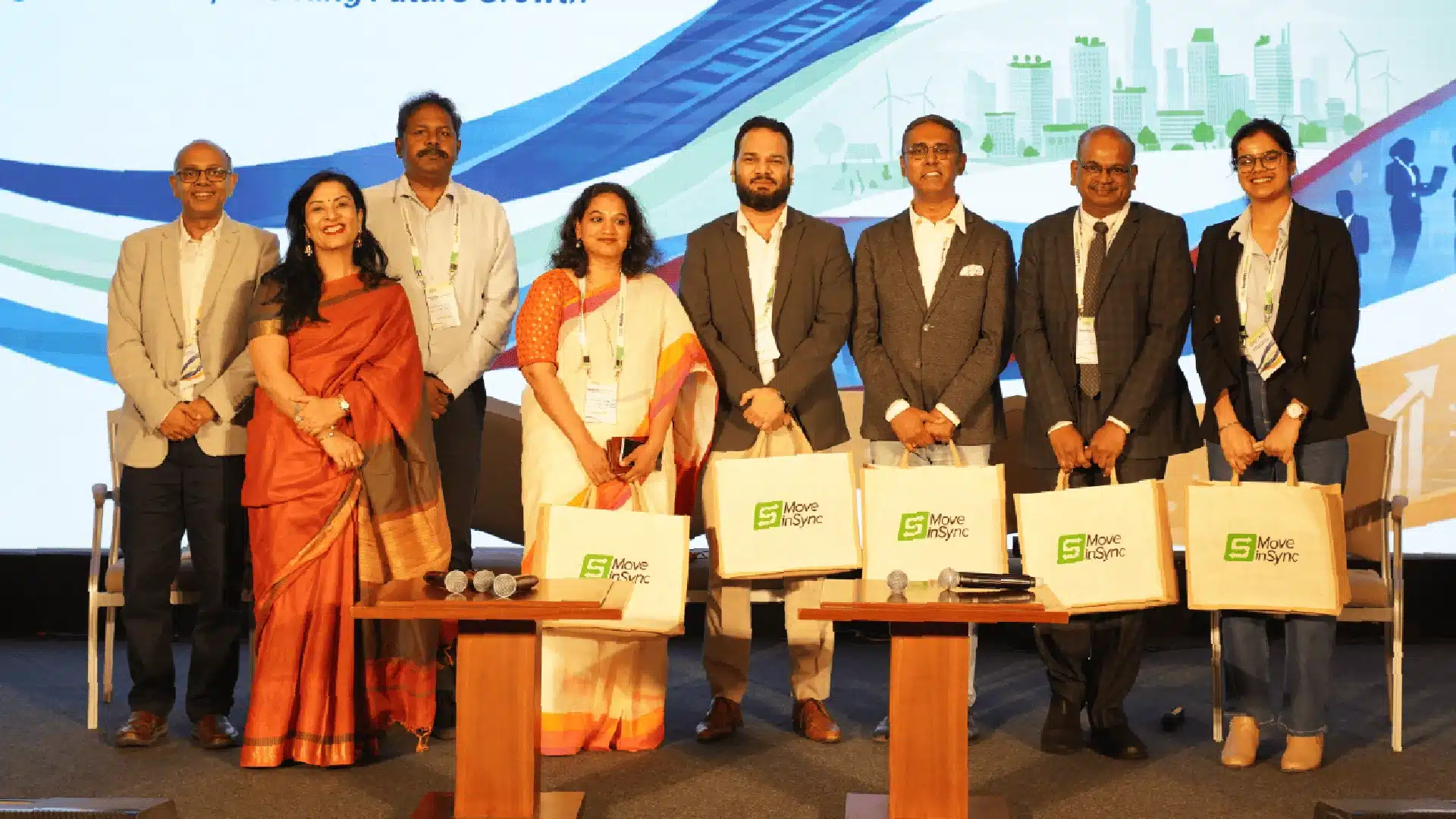
Hosted by MoveInSync in June 2026, MoveInSync Mobility Conclave Hyderabad brought together GCC leadership, mobility heads, government voices, and city planners to address one of Hyderabad’s most pressing growth challenges: last-mile connectivity and workplace commute at scale.

The day moved from a vision for the region’s mobility future spanning livability-led interventions, AI-powered traffic management, expanded metro capacity, and a free first-mile/last-mile model into conversations on how AI, data, and collaboration are reshaping employee transport, from unified fleet aggregation across shared buildings to women-first last-mile safety, driver welfare, and public-private partnerships.
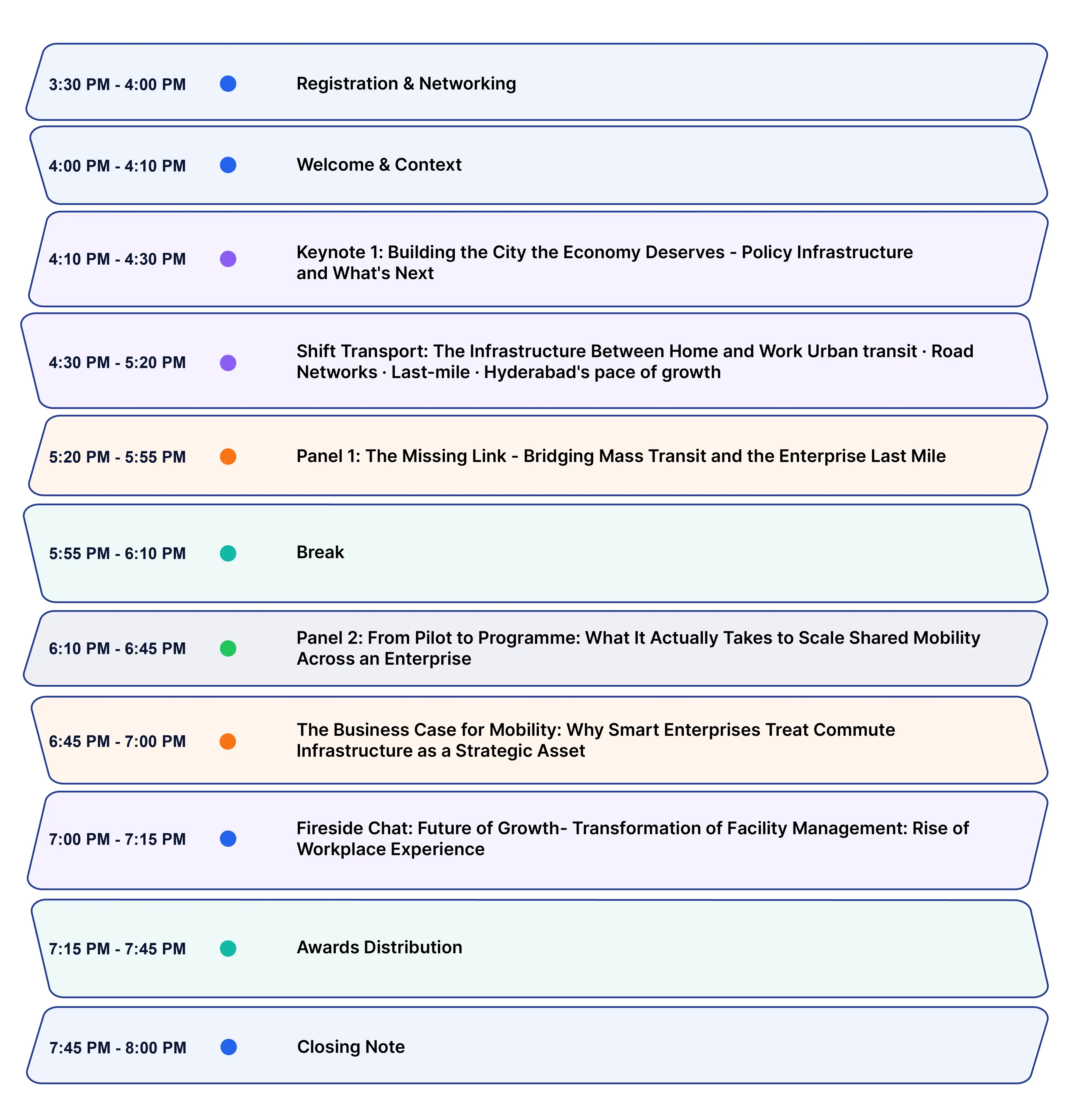
Here's how the day unfolded

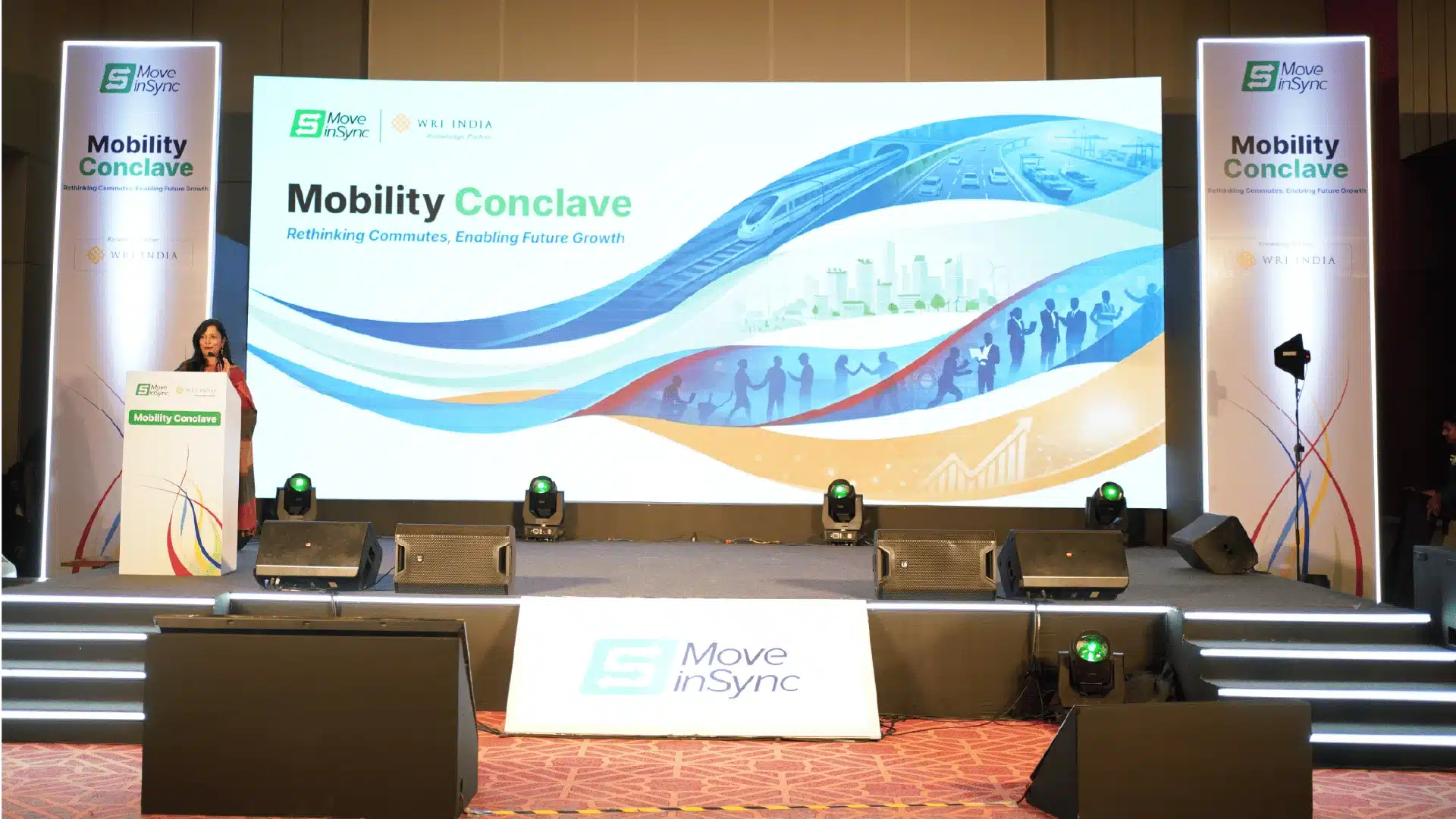
Opening Address
Deepesh Agarwal

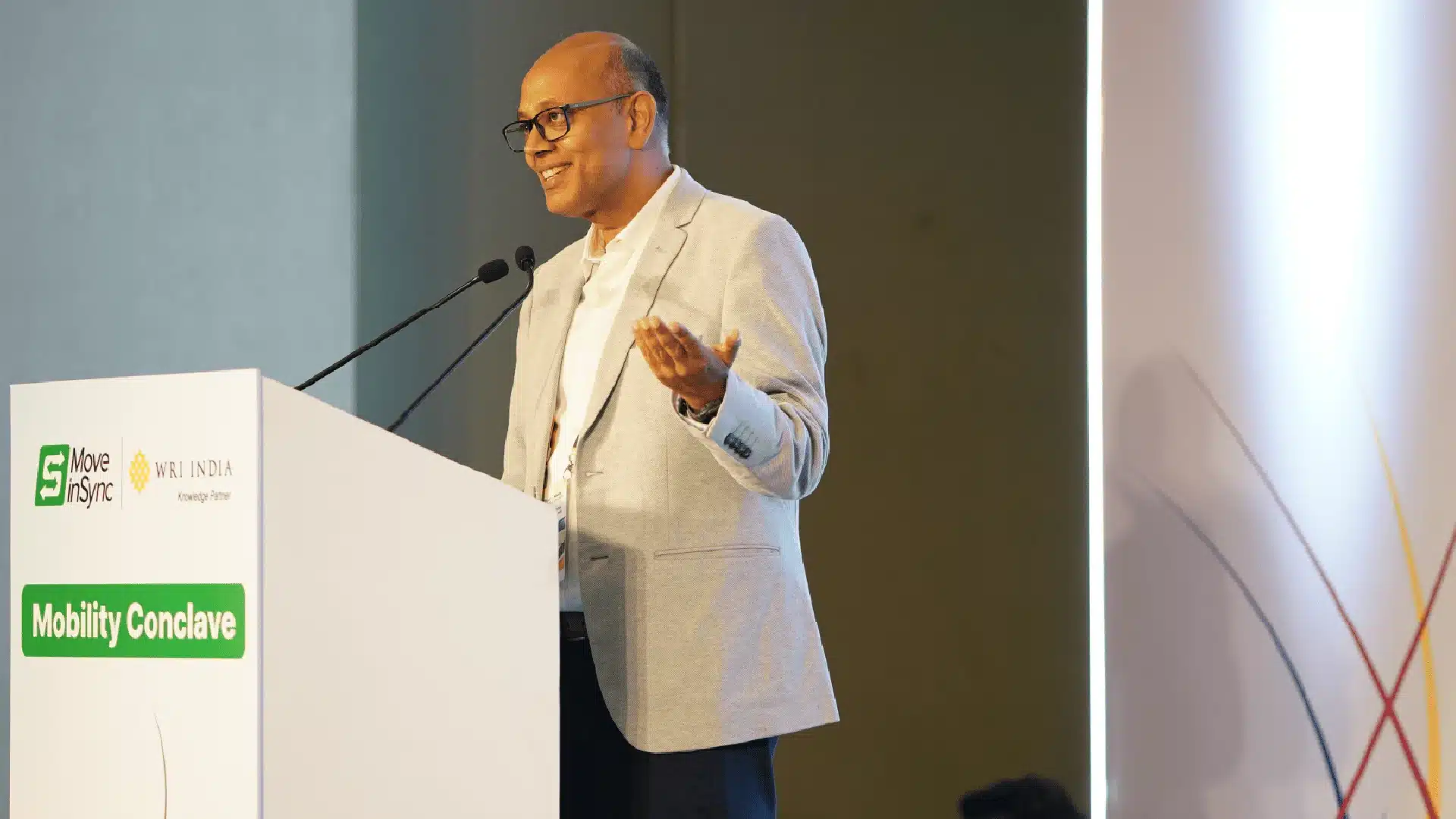
Deepesh opened the afternoon session with data framing the scale of Hyderabad’s commute challenge: the city’s average one-way commute has risen to 60 minutes (from 58 last year), with employees averaging just 2.5 in-office days a week yet still logging the equivalent of 40 working days a year in commute time. He shared MoveInSync data showing the company now moves over a million employees daily, roughly 20% of India’s white-collar workforce, across 400+ client companies, including 112 Fortune 500s, and highlighted EV adoption in corporate commute (currently ~6%, growing 16% YoY) and continued focus on women’s safety and participation in the workforce. He closed by announcing MoveInSync’s new carpool feature and made a personal appeal to the audience to skip single-occupancy car commutes at least once a week, citing an estimated 20% reduction in city traffic if adopted at scale.

Deepesh Agarwal

CEO & Co-Founder, MoveInSync

Keynote
Building the City the Economy Deserves – Policy Infrastructure and What’s Next
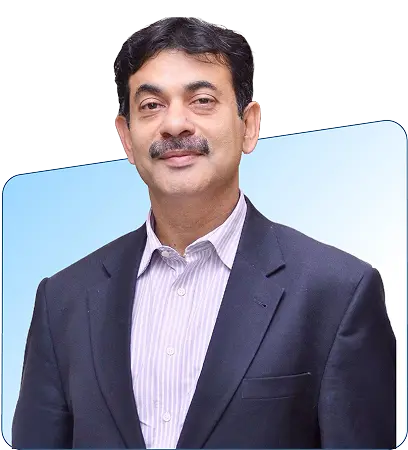
Jayesh Ranjan

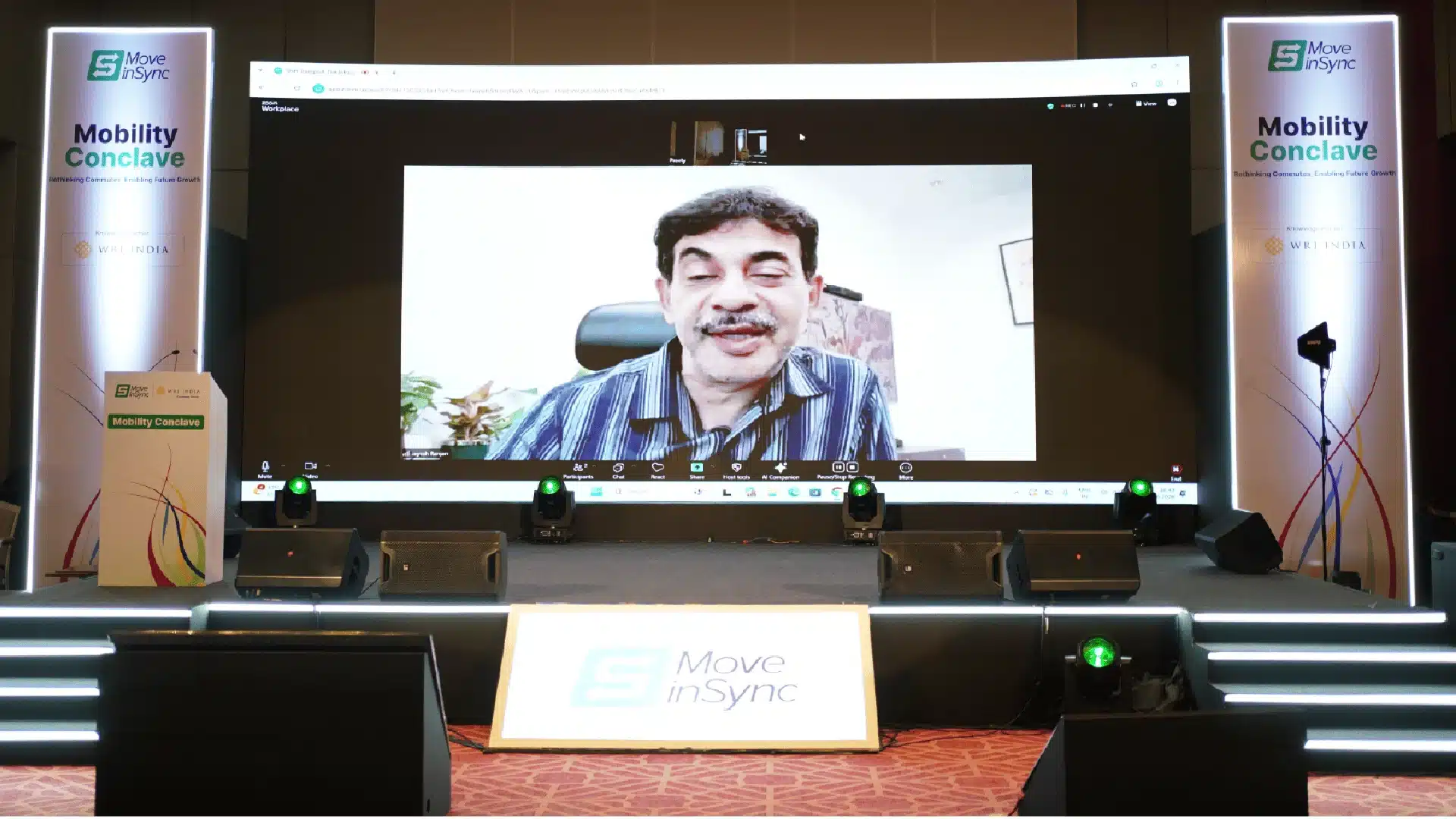
Mr. Ranjan outlined Telangana’s upcoming 125-point livability roadmap for Hyderabad, with roughly a dozen interventions directly targeting commute and mobility. A standout announcement: new bylaws making carpooling mandatory for existing and upcoming companies. He also touched on metro capacity expansion, AI-enabled traffic management, and emerging transit formats like Pod Rapid Transport and elevated BRT, part of a broader push to close Hyderabad’s livability gap with global peer cities.

Sh. Jayesh Ranjan, IAS

Special Chief Secretary Metropolitan Area &
Urban Development, Telengana

Shift Transport: The Infrastructure Between Home and Work Urban transit · Road Networks · Last-mile · Hyderabad’s Pace of Growth
Screenshot 2026-07-03 at 2-compressed-1

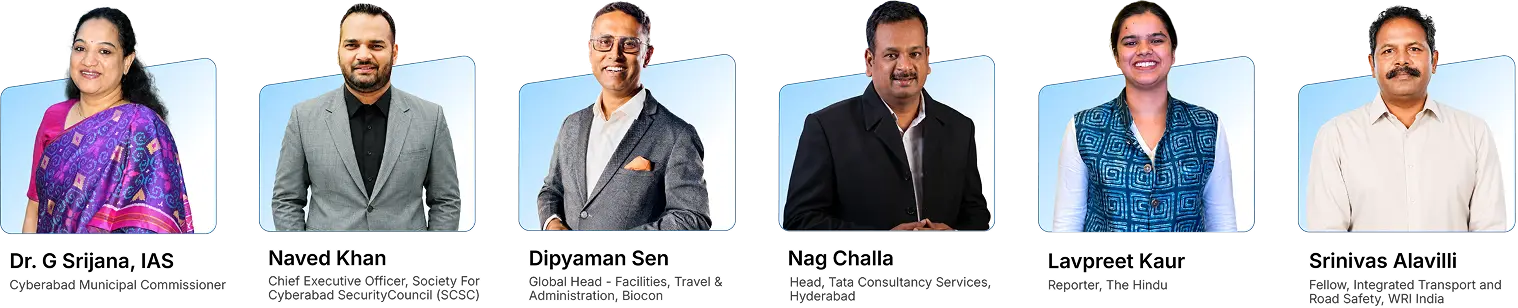
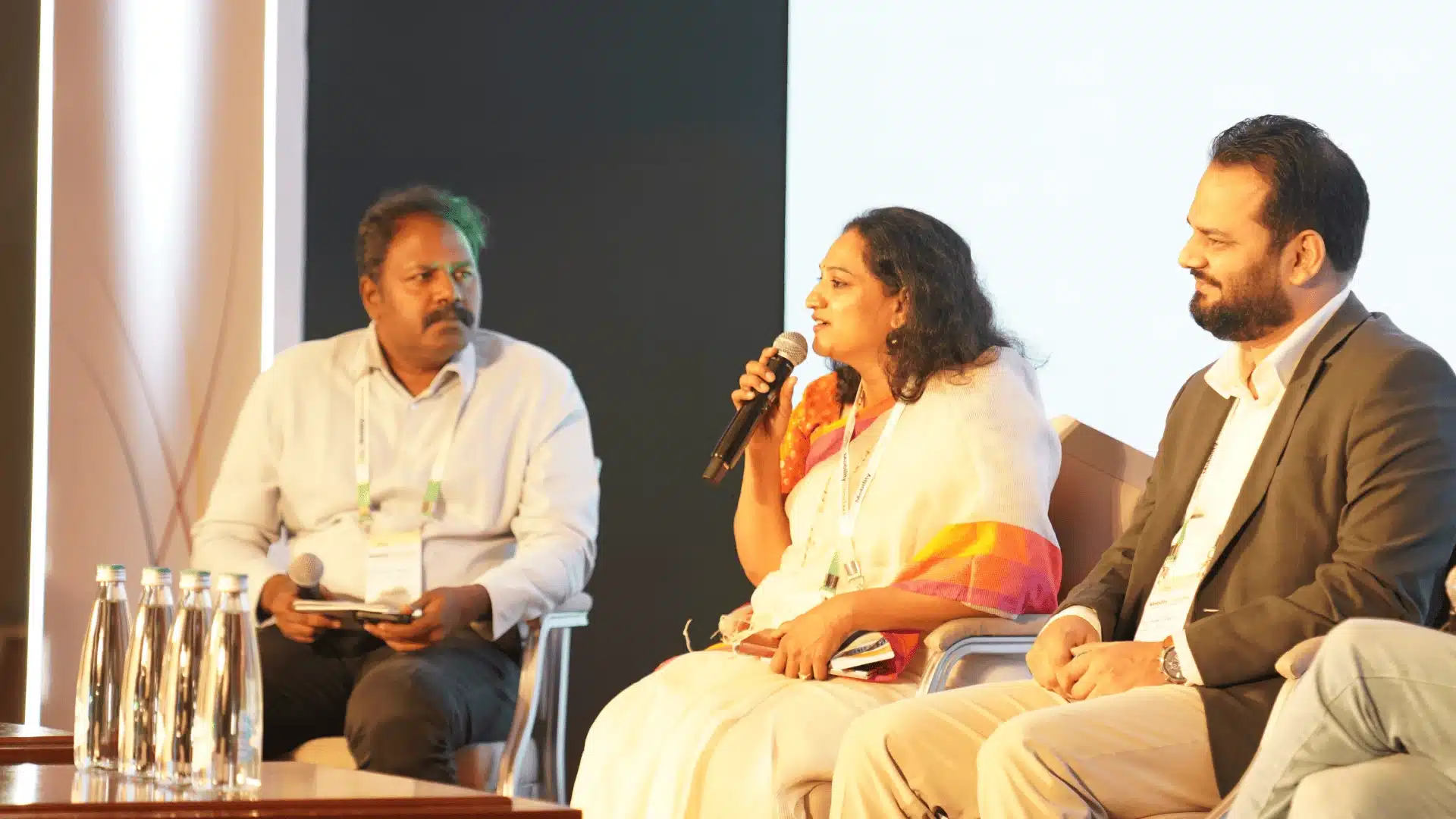
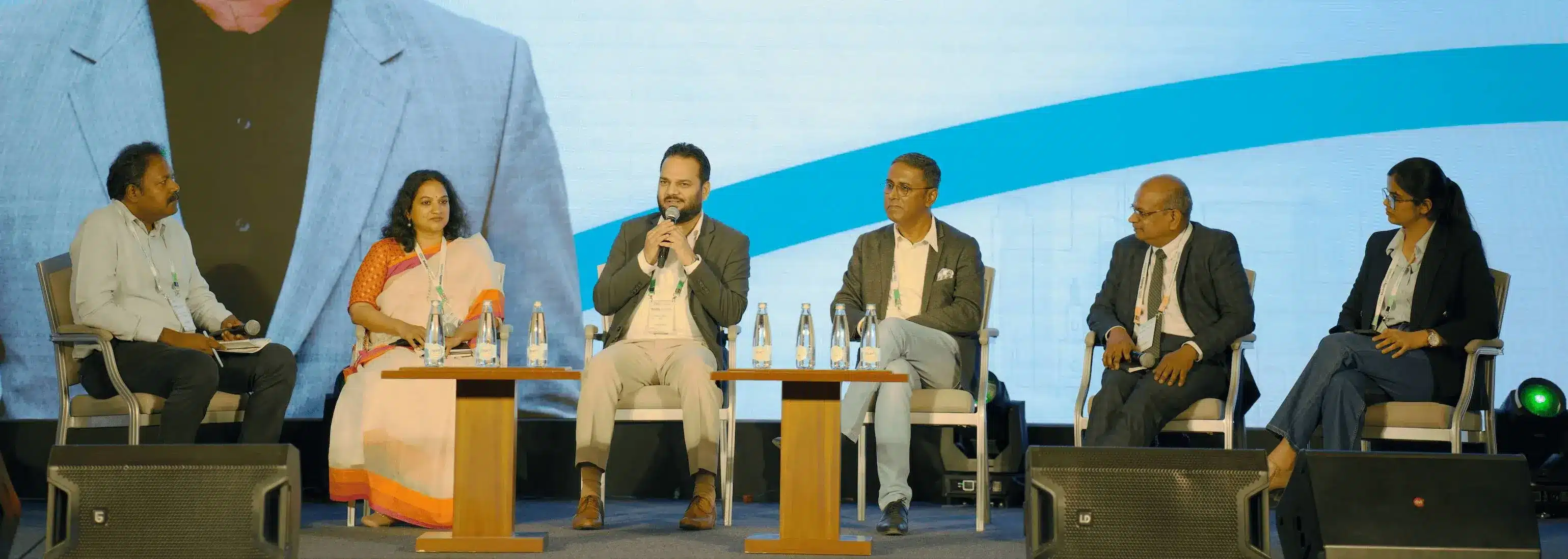
This power-packed session brought together government, industry, and civil society to examine how Hyderabad’s rapid job growth is straining commute infrastructure and what’s working to fix it. Panelists shared real-world case studies of structured, technology-enabled commute programs: Biocon’s first/last-mile mapping initiative grew ridership from 600 to over 1,200 employees within three months, while TCS’s data-driven carpooling and shuttle optimization pushed carpool adoption from 5% to nearly 18% over six quarters. It was emphasized that reimbursements alone don’t drive adoption, sustained employee engagement, and easy-to-use booking tools do.

shift15 - moveinsync
Panel 1
The Missing Link – Bridging Mass Transit and the Enterprise Last Mile

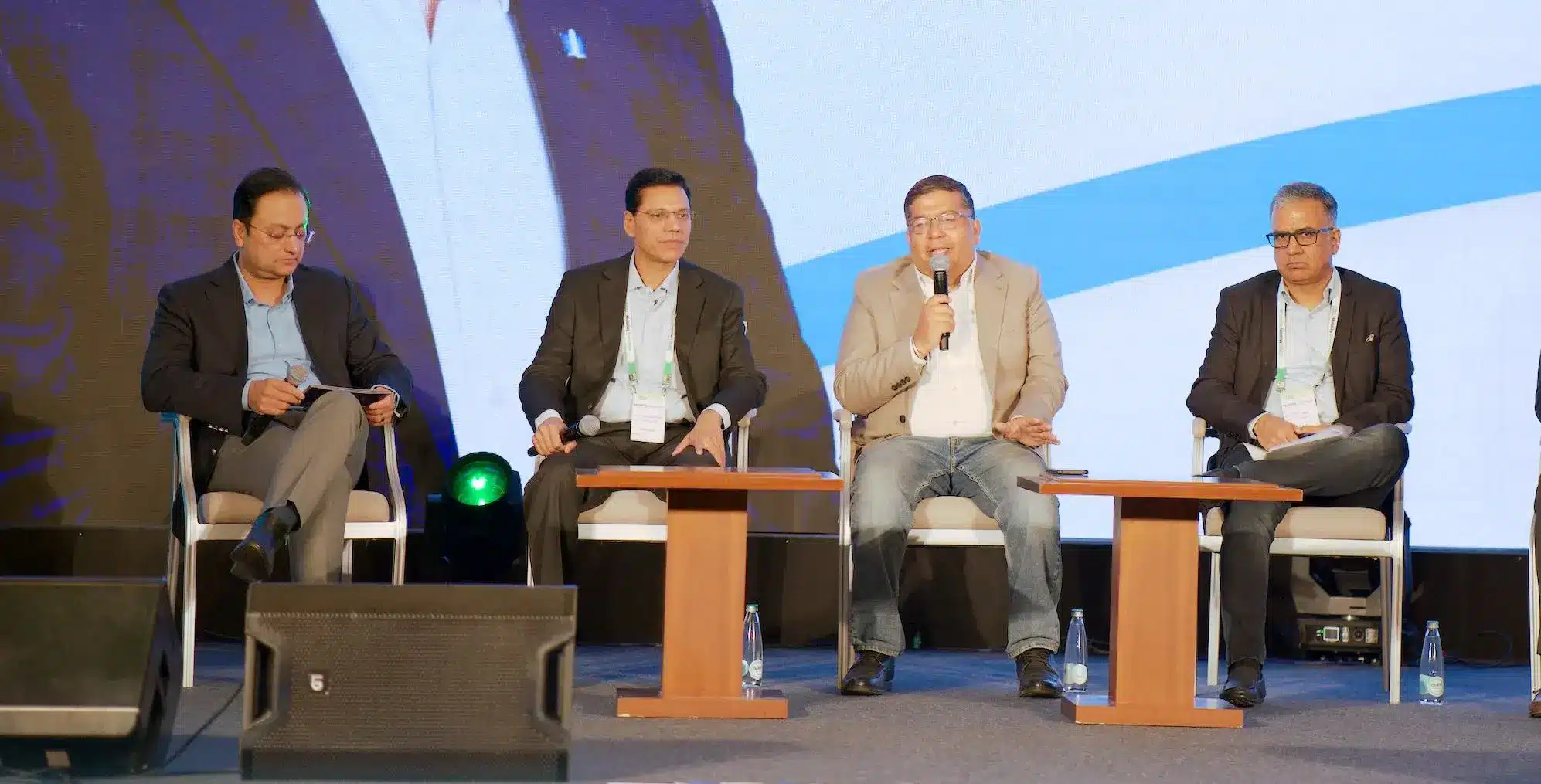
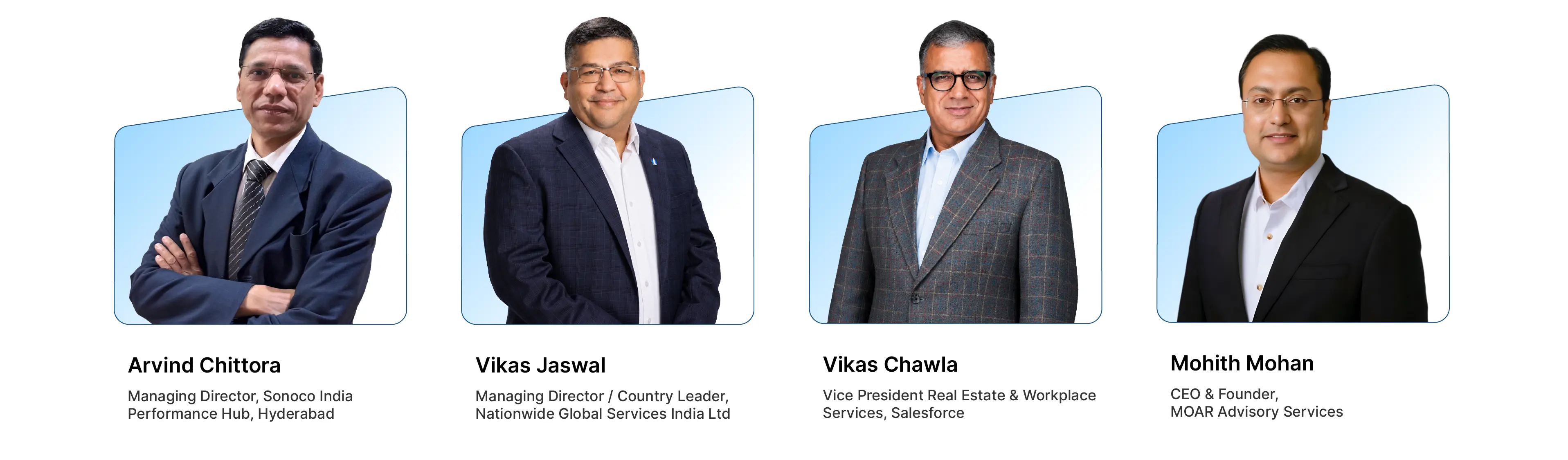
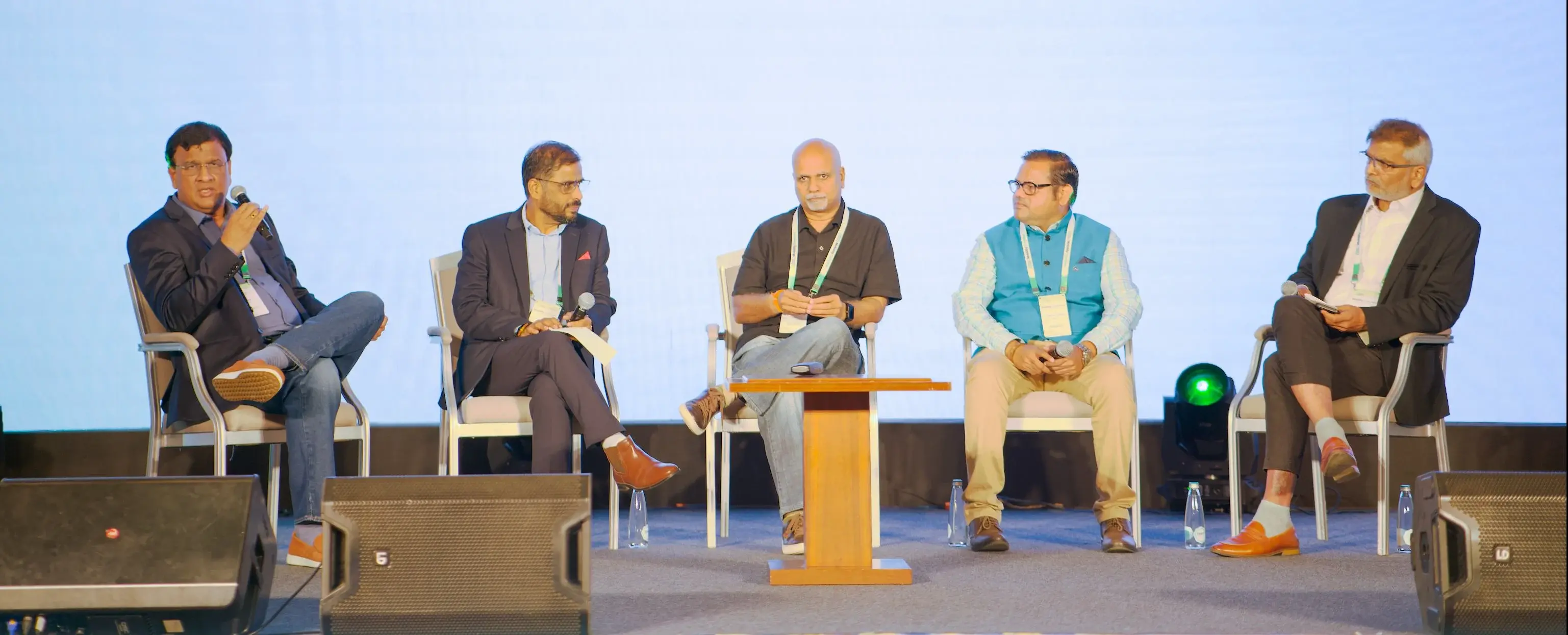
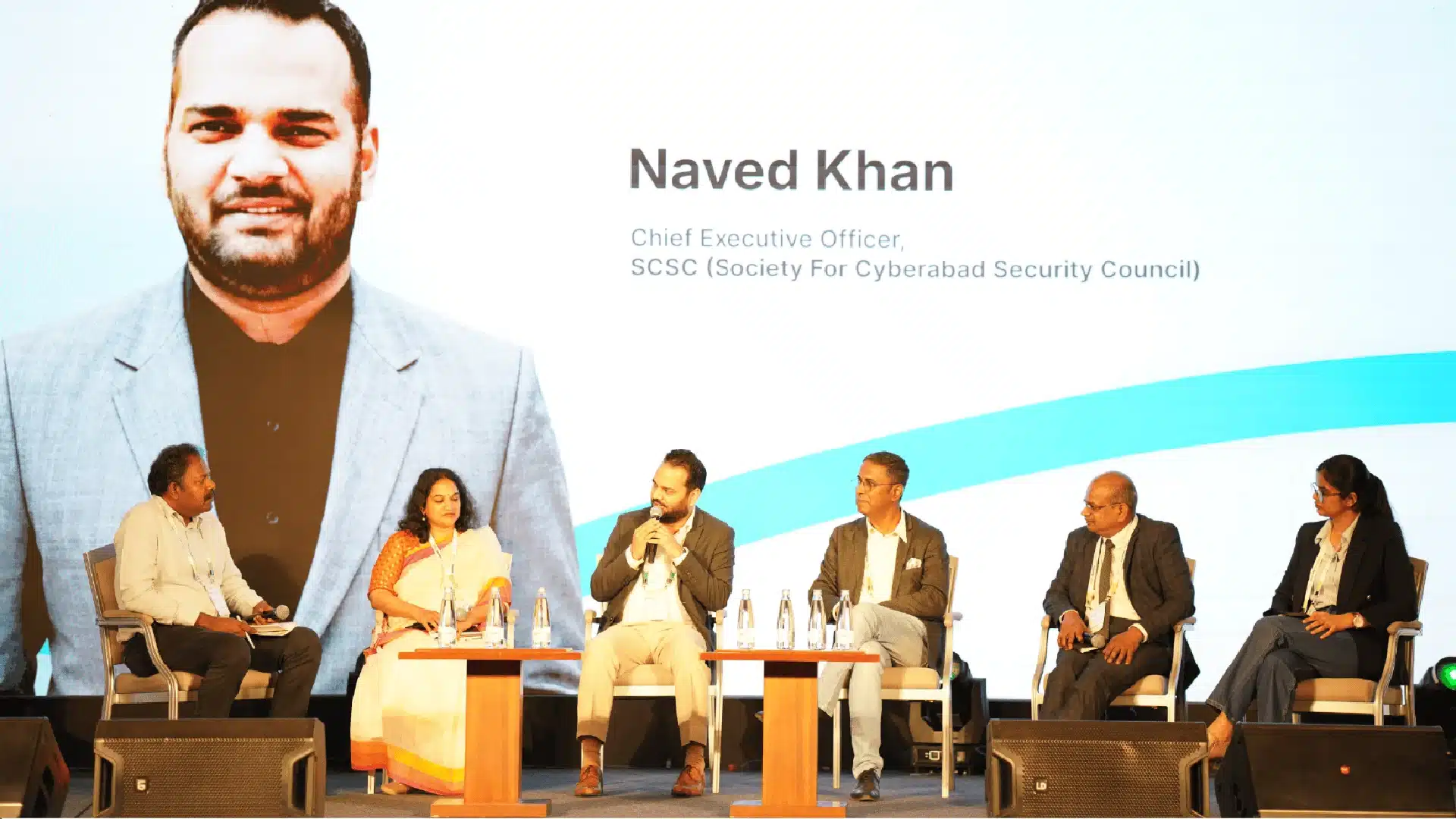
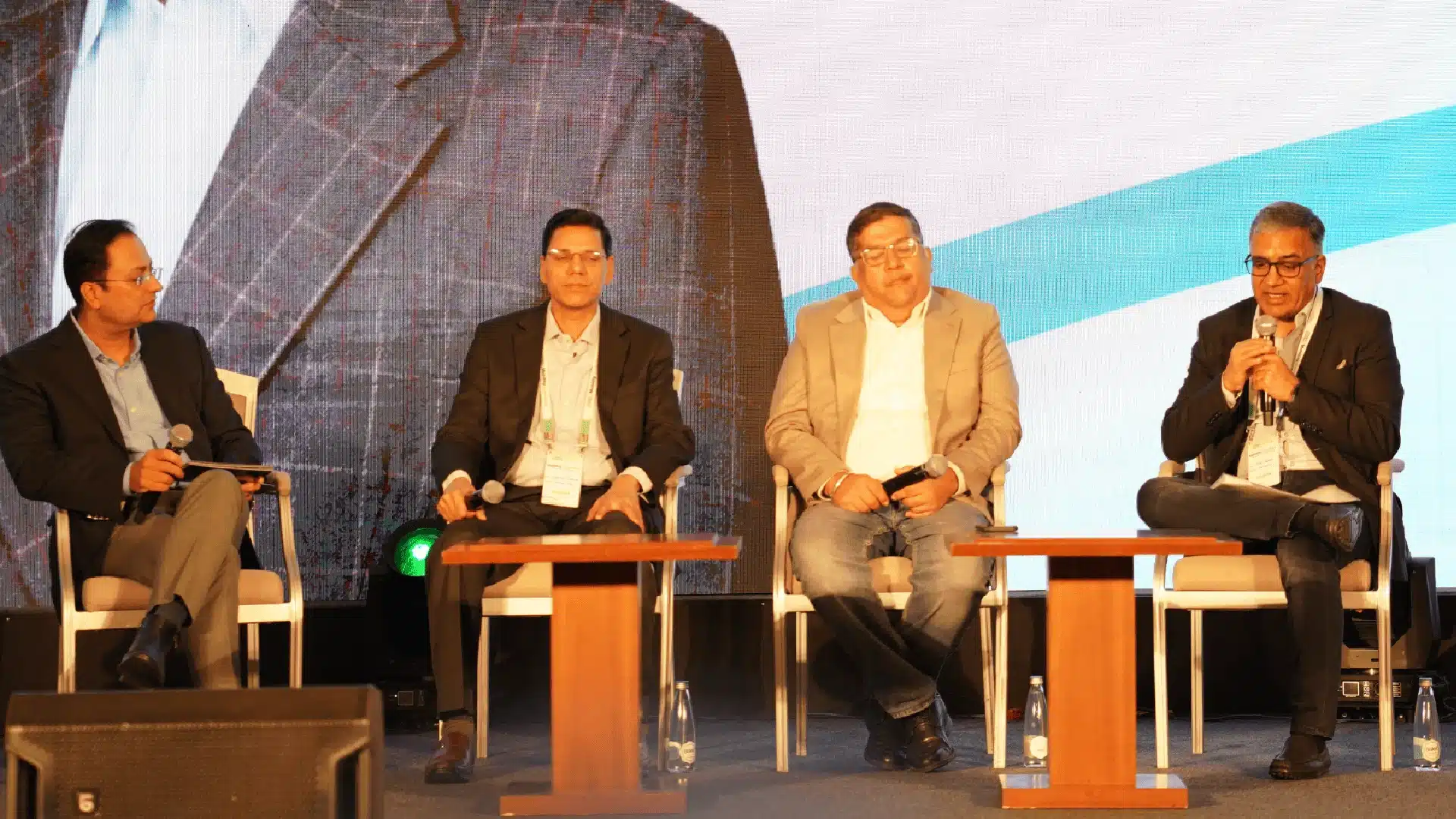
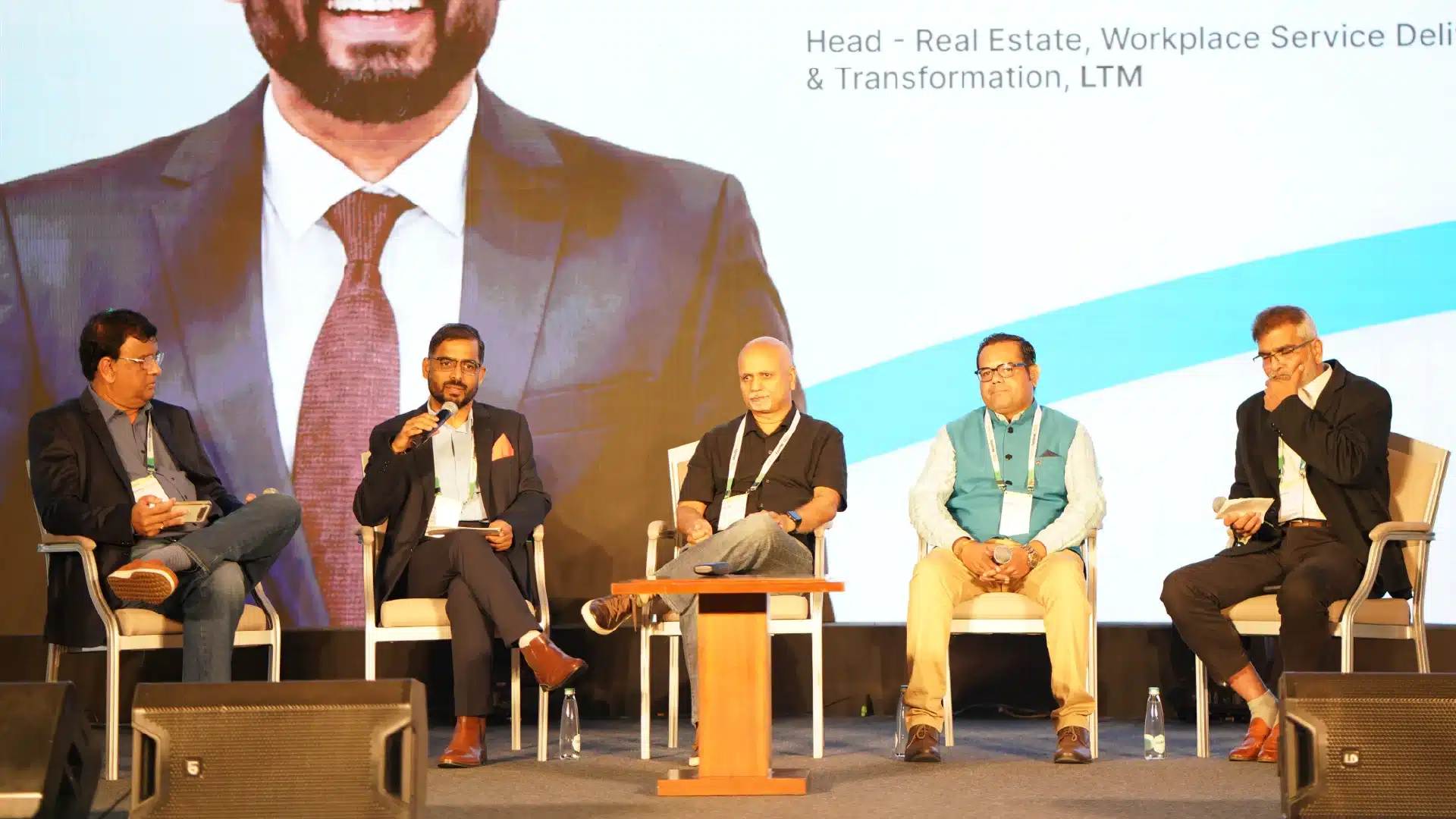
GCC leaders from four Fortune 500 companies to explore the last-mile gap between mass transit and the office gate, a gap no single stakeholder fully owns. The conversation centred on commute experience as a core pillar of employee value proposition, with Hyderabad’s unpredictable 60–90-minute commutes flagged as a direct hit to energy and wellbeing; cross-company collaboration emerged as a working solution, with GCCs in the same building already pooling cabs, parking, and shuttle routes, and a shared vision for a tech-integrated future where booking a workspace auto-triggers a route-optimized pickup via MoveInSync across metro, shared cabs, and real-time disruption alerts. Panelists agreed that while commute programs sit with facilities/workplace teams, funding and rollout remain a collective call with HR and management, and closed by unanimously naming shared transport as the dominant mode, public transport infrastructure as the top investment priority, and mobility as now a boardroom issue in Hyderabad.

panel 1 - 4 speaker
Panel 2
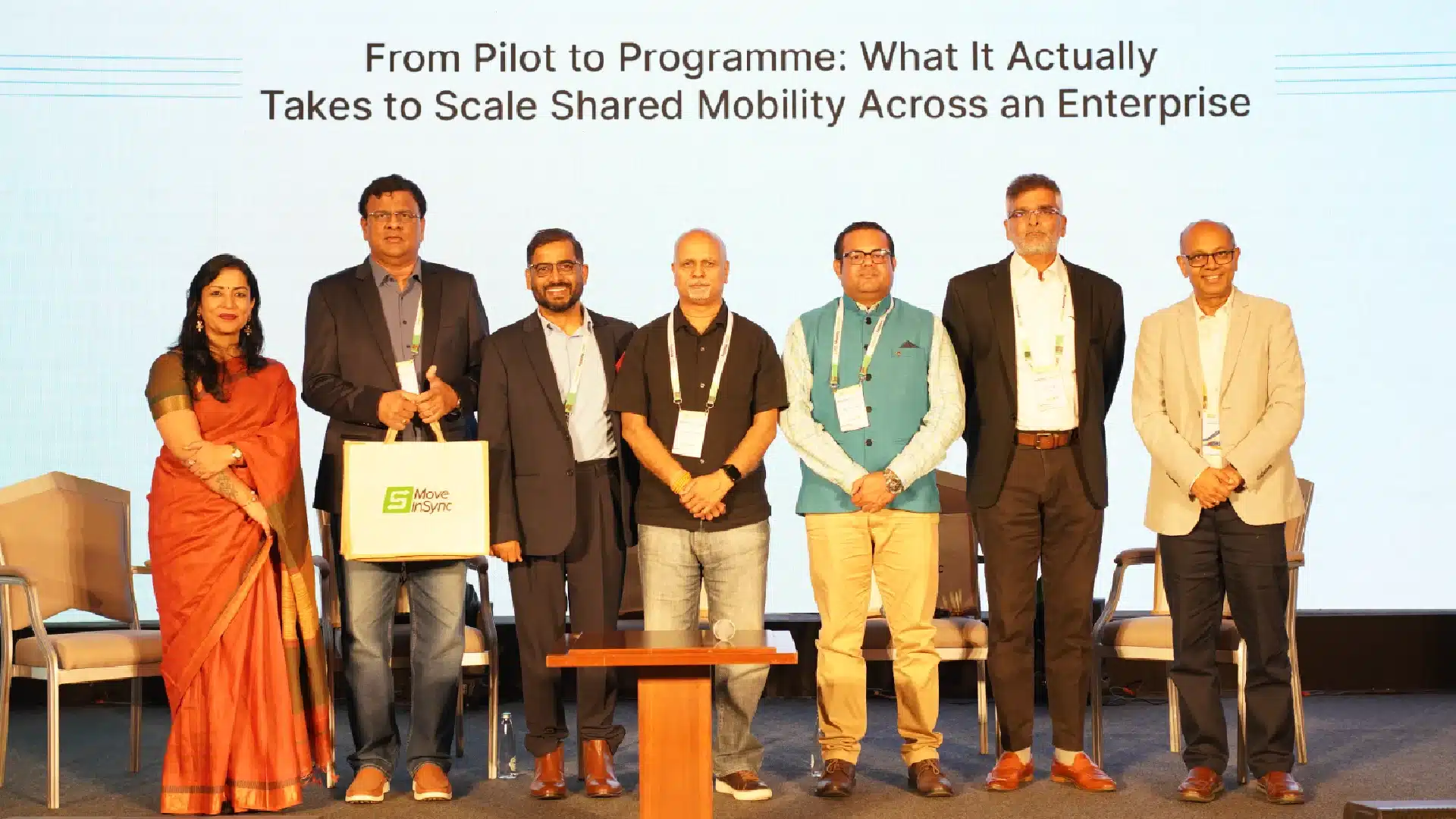
From Pilot to Program – What It Actually Takes to Scale Shared Mobility Across an Enterprise
Screenshot 2026 07 03 at 4 compressed - moveinsync

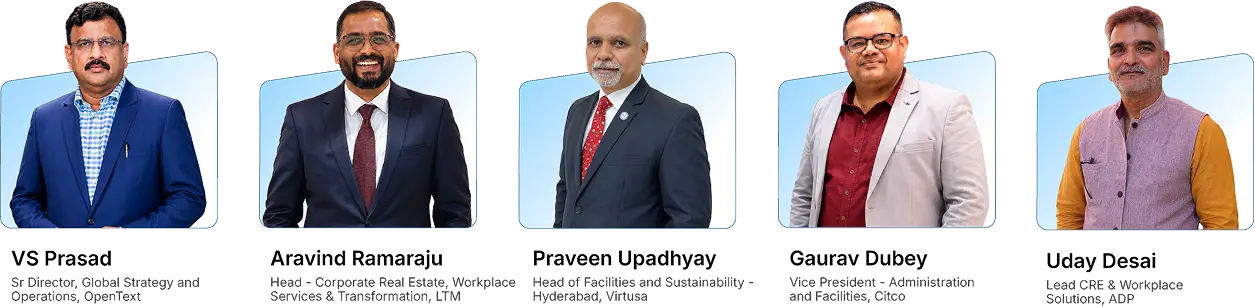
This panel brought the focus onto why carpooling pilots have historically stalled in Hyderabad despite over a decade of attempts by facilities and real estate leaders, and what needs to change now. The discussion centred on trust, incentive design, and regulatory ambiguity as the real barriers, not technology. One key takeaway was that rider trust within a familiar organizational ecosystem drives better adoption. While incentives like preferred parking showed strong early traction but stalled without full organizational backing; guaranteed return-trip assurances were also floated as a way to close the perceived gap versus door-to-door cabs. Panelists also made the case that with ~90-minute average Cyberabad commutes, transport and carpool data should sit with HR, not just facilities, to inform hiring and retention, and that shared mobility adoption ultimately needs to be modeled top-down by leadership, pointing to Mumbai’s local trains as a rare example of executives and employees travelling together.

From Pilot to Program spekaers - moveinsync
Keynote
Building the City the Economy Deserves – Policy Infrastructure and What’s Next
Prof. Rajendra Srivastava

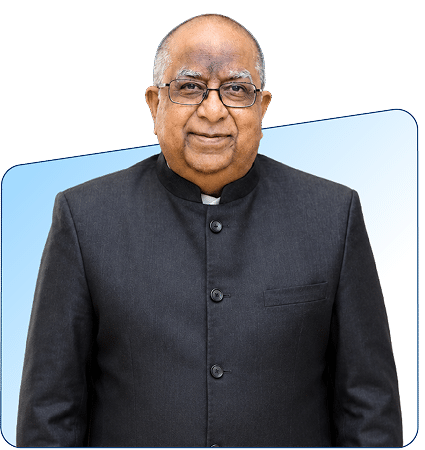
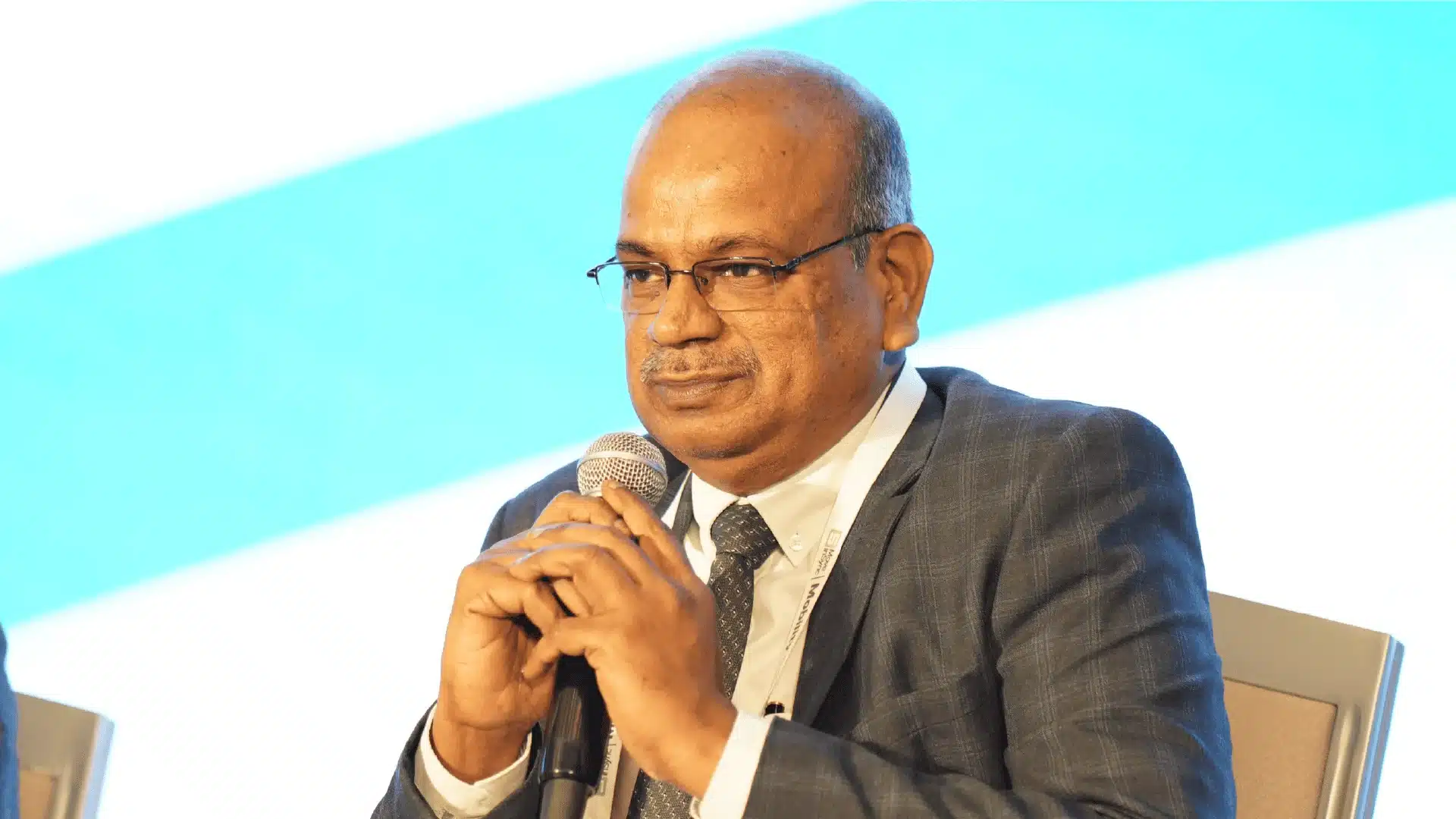
Prof. Srivastava drew on his “Tale of Four Cities” (Austin, Atlanta, Singapore, Hyderabad) to frame talent availability and retention as the single biggest driver of a city’s ability to attract global companies, arguing that commute experience is now decisive in that equation citing his own choice to turn down roles in Philadelphia and New York for a 7–10 minute commute in Austin, since even a 30-minute daily commute penalty compounds to roughly 2.5 lost working days a month. A key takeaway was reframing the commute as “peace of mind” rather than just time saved. He also pushed for dynamic routing and responsive fleets over static shuttle programs, likening it to the shift airlines and ride-hailing made with dynamic pricing. He closed by proposing that companies track the share of employees with 60+ minute one-way commutes as a boardroom attrition metric, framing mobility investment as an extension of human capital investment.

Prof. Rajendra Srivastava

Former Dean of Indian School of Business (ISB)

Fireside Chat
Future of Growth – Transformation of Facility Management: Rise of Workplace Experience

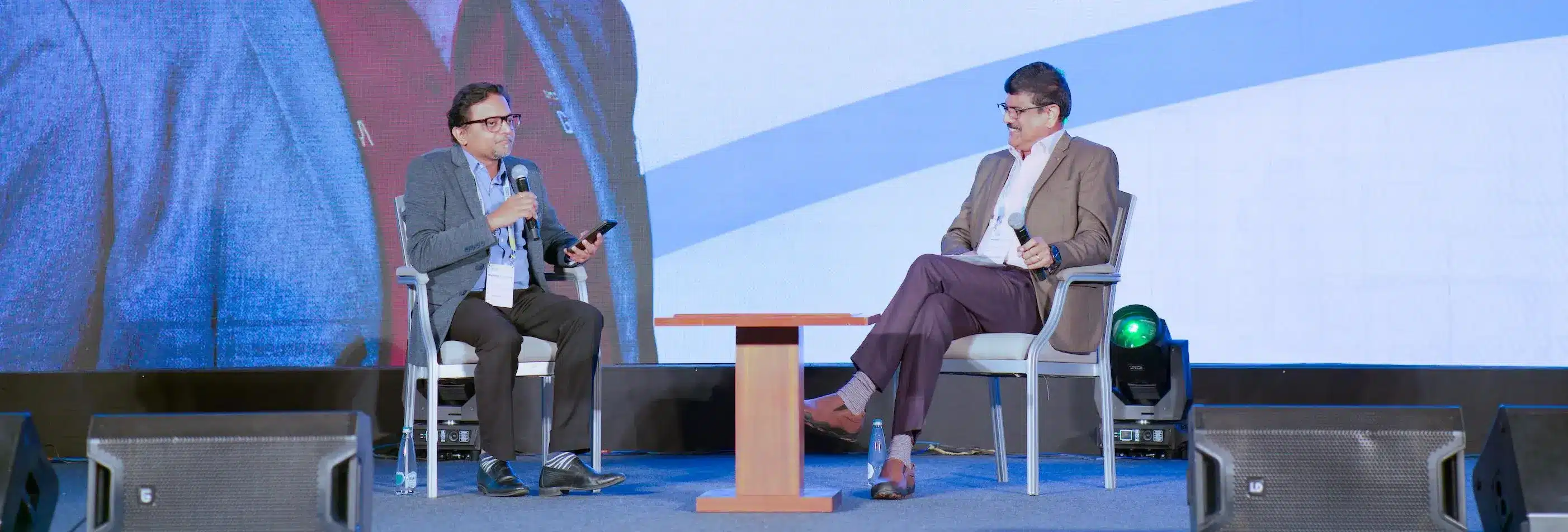
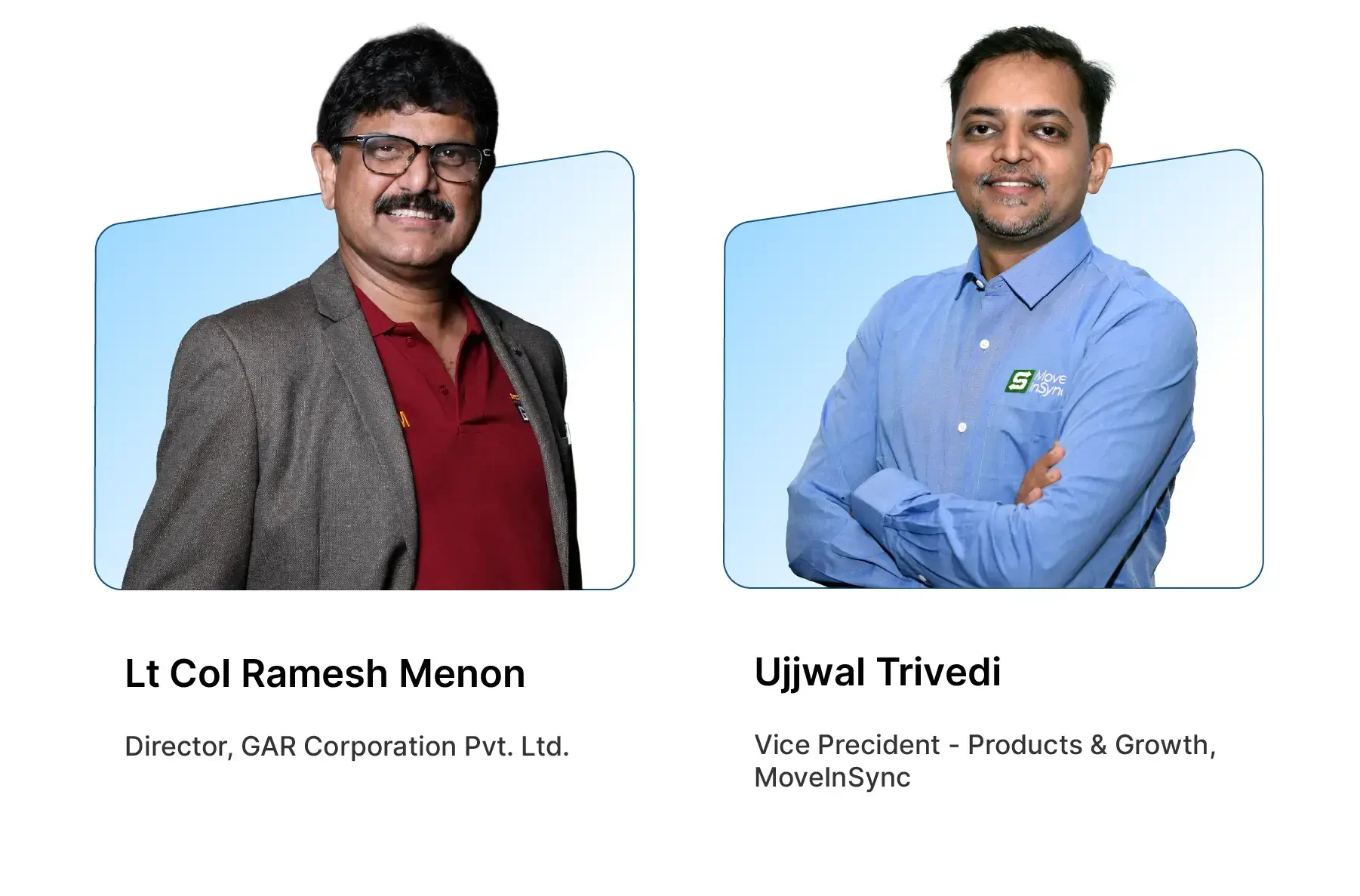
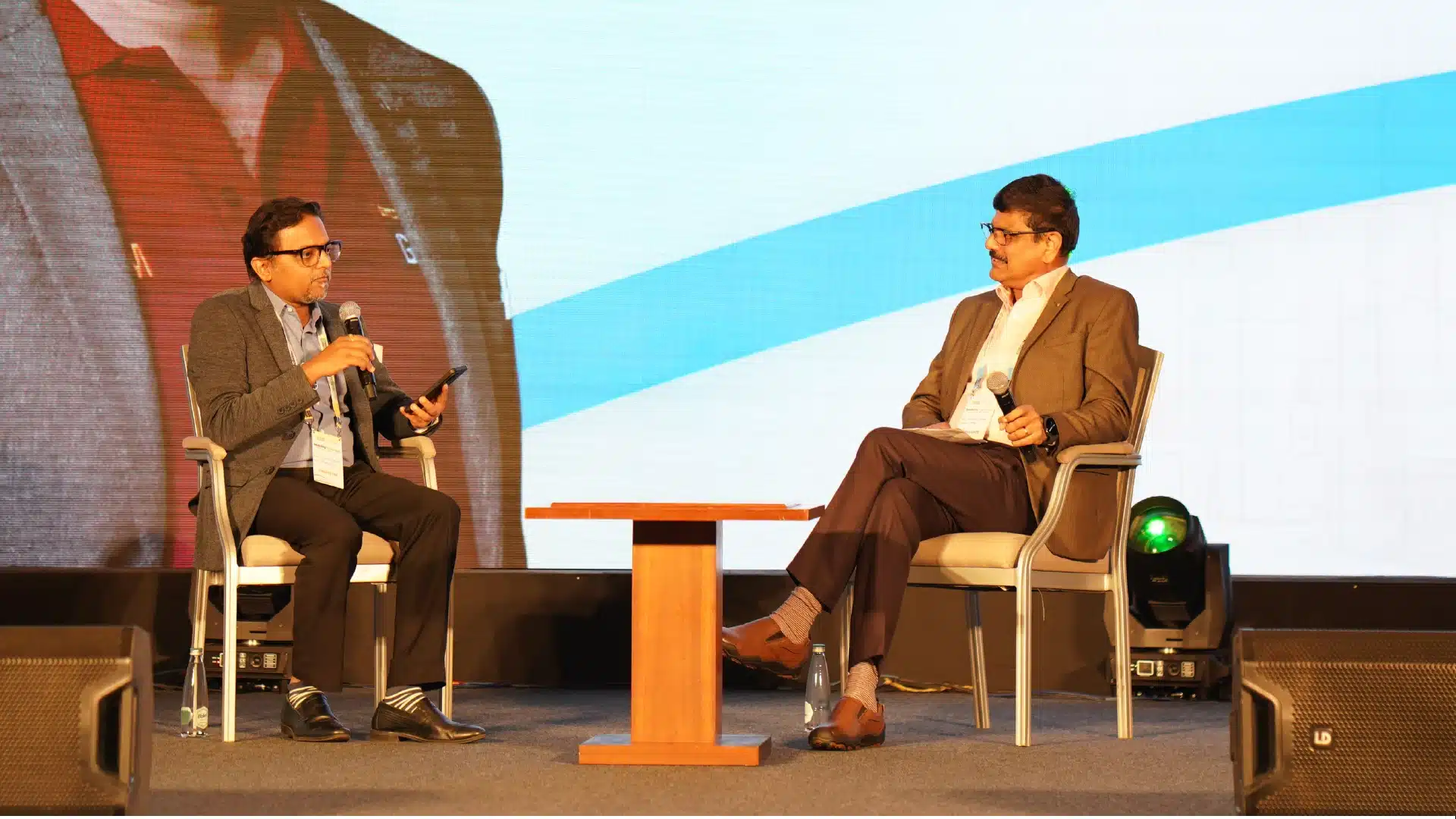
Lt. Col. Menon and Ujjwal traced the evolution of facility management from a back-office function to a strategic pillar of operations. Menon noted that the workplace itself has undergone several shifts since the industrial revolution and that facility management has reinvented itself with each shift.

Ujjwal picked up the thread on workplace optimization, describing how bringing commute, parking, carpooling, and space data onto a single platform democratizes information that has traditionally sat only with facility teams: when employees can see parking availability, they can choose between driving and public transport, and organizations can incentivize carpooling with preferred parking. He added that a comprehensive workplace suite helps companies optimize real estate while improving employee experience, a transformation that, in his words, is turning facility managers into workplace experience managers. On AI, Col. Menon cautioned against overreliance, noting that human judgment remains indispensable, and the conversation closed on facility managers no longer being operational support alone, but strategists shaping the modern workplace from commute to comfort to continuity.

Fireside


WRI logo


Agenda
agenda - 4 june


Request a Demo

Unlock a Guaranteed 20%+ Cost Reduction on Employee Transport
Boost Employee Satisfaction to 4.6+ — Get Started Now!

Technical Support Request

Connect with our Technical Support team for quick assistance with your commute-related issues.

Request a Demo

Unlock a Guaranteed 20%+ Cost Reduction on Employee Transport
Boost Employee Satisfaction to 4.6+ — Get Started Now!