IN
 USA
 PH
 ZA
 LATAM
 Global


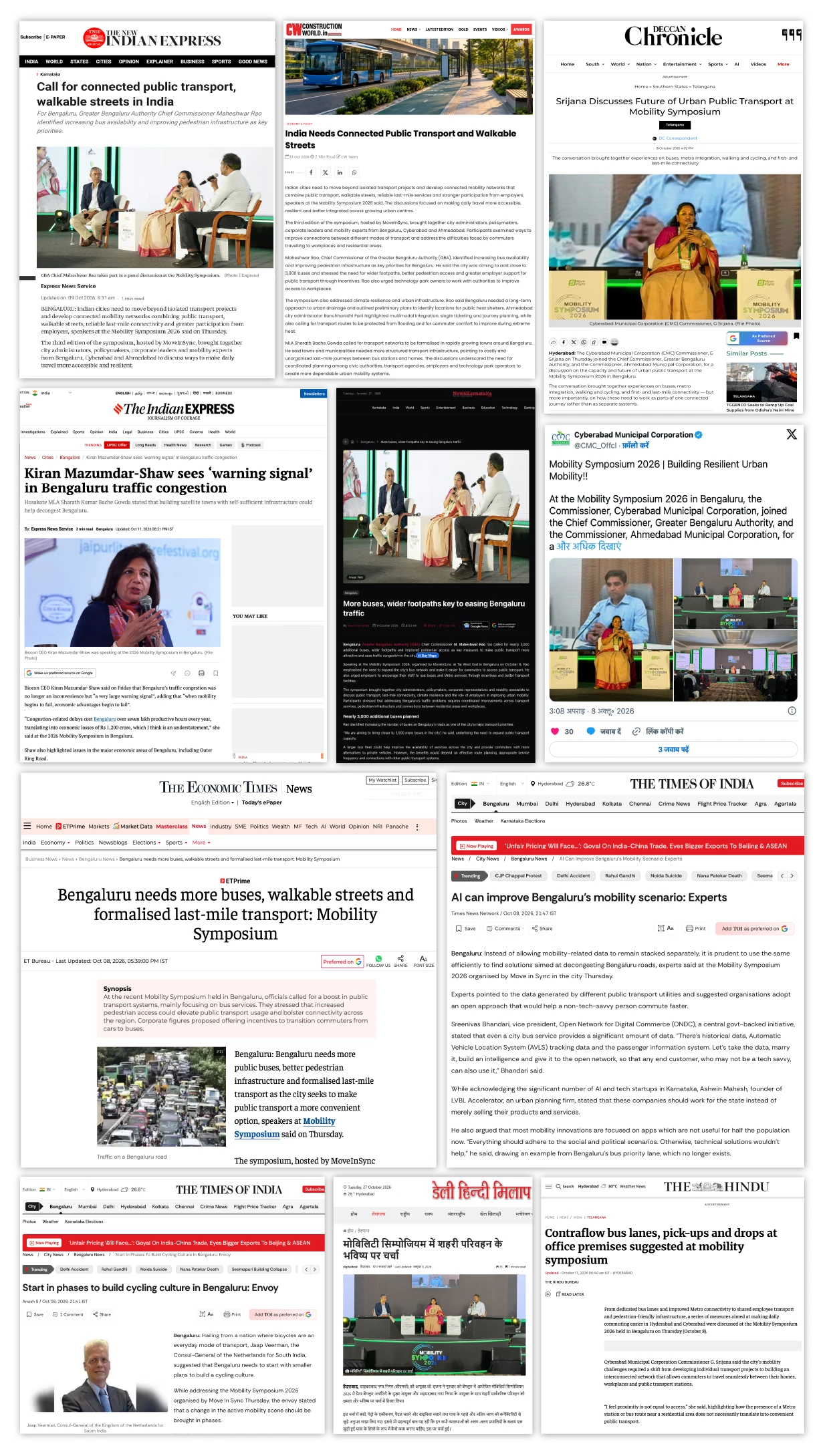
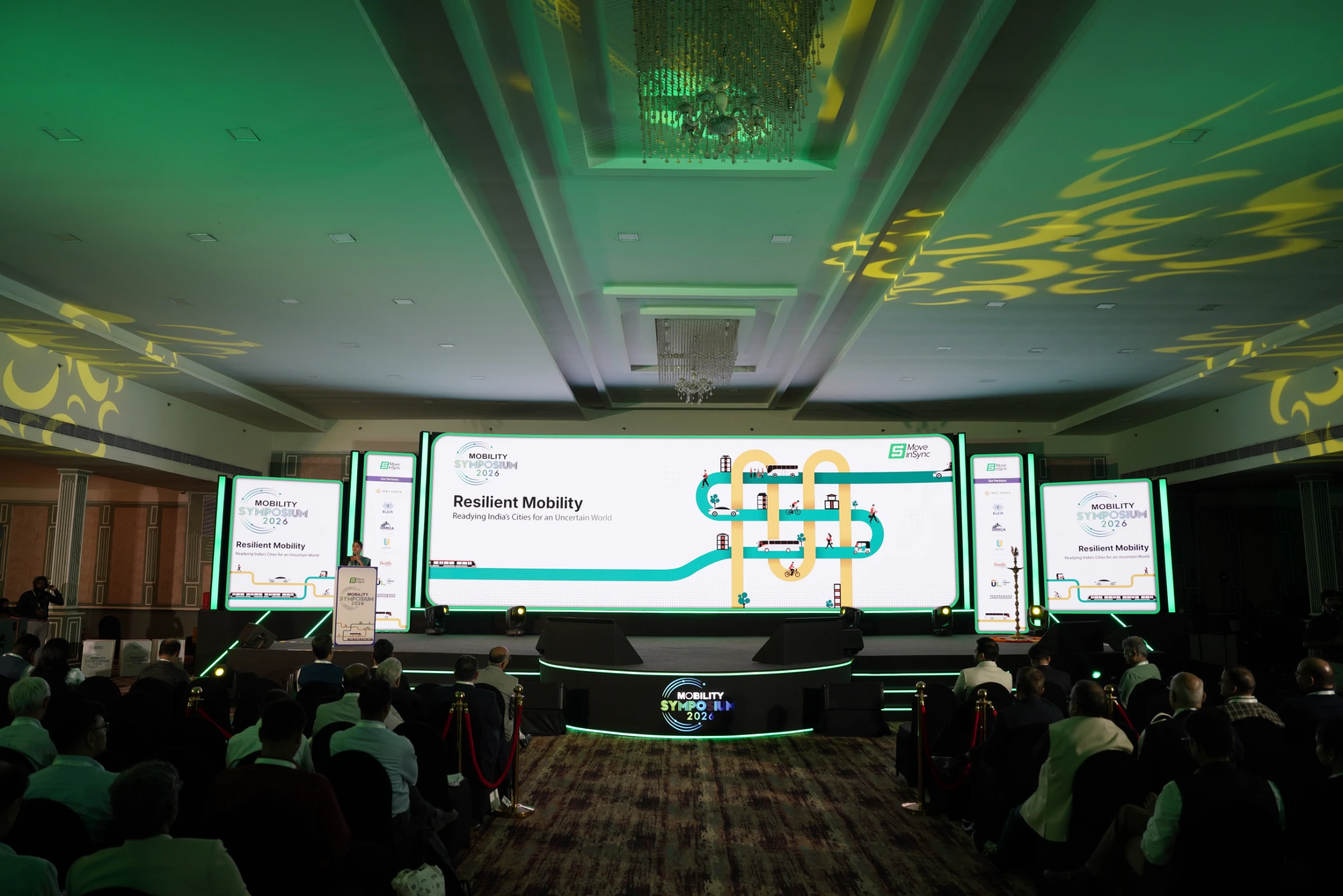
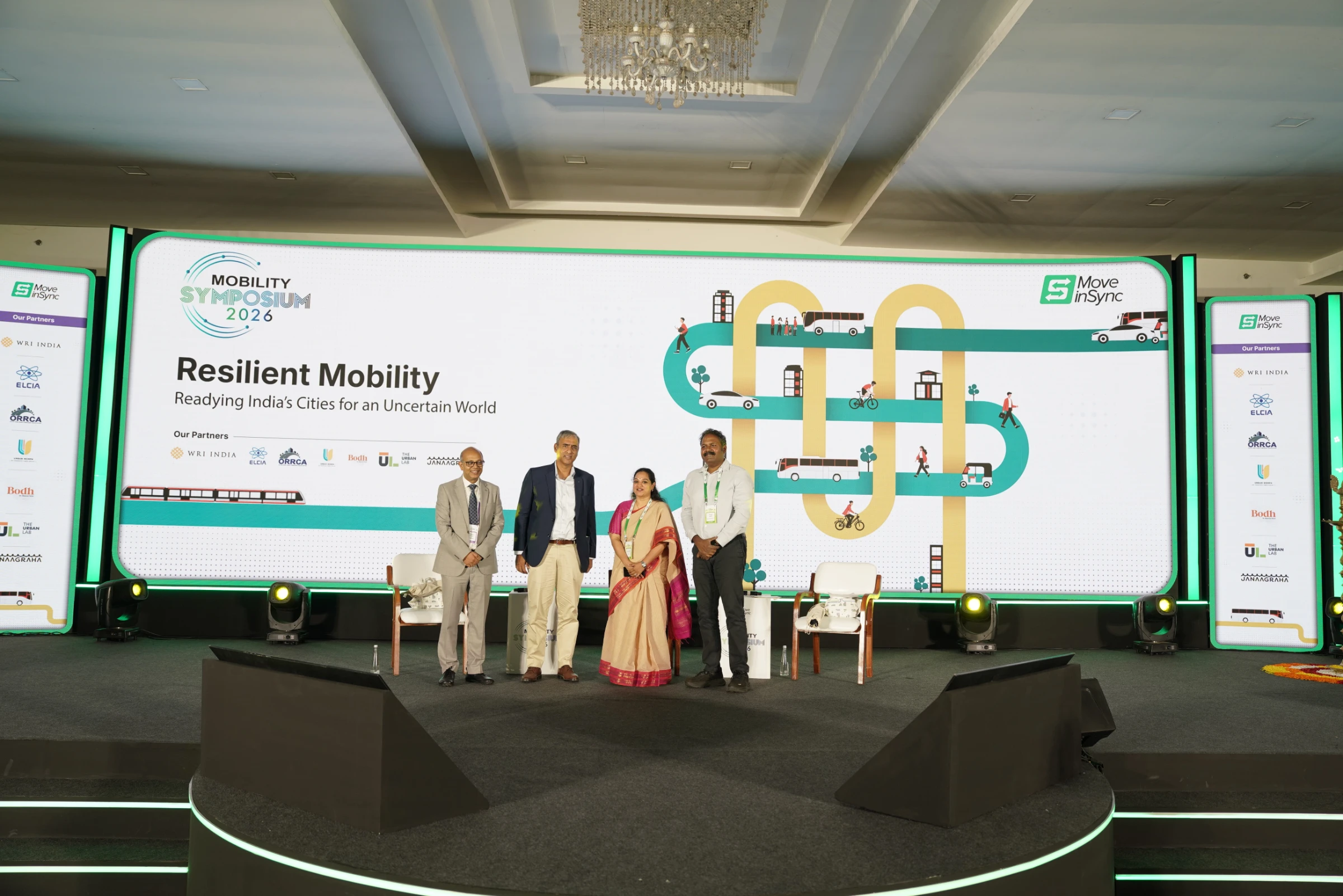
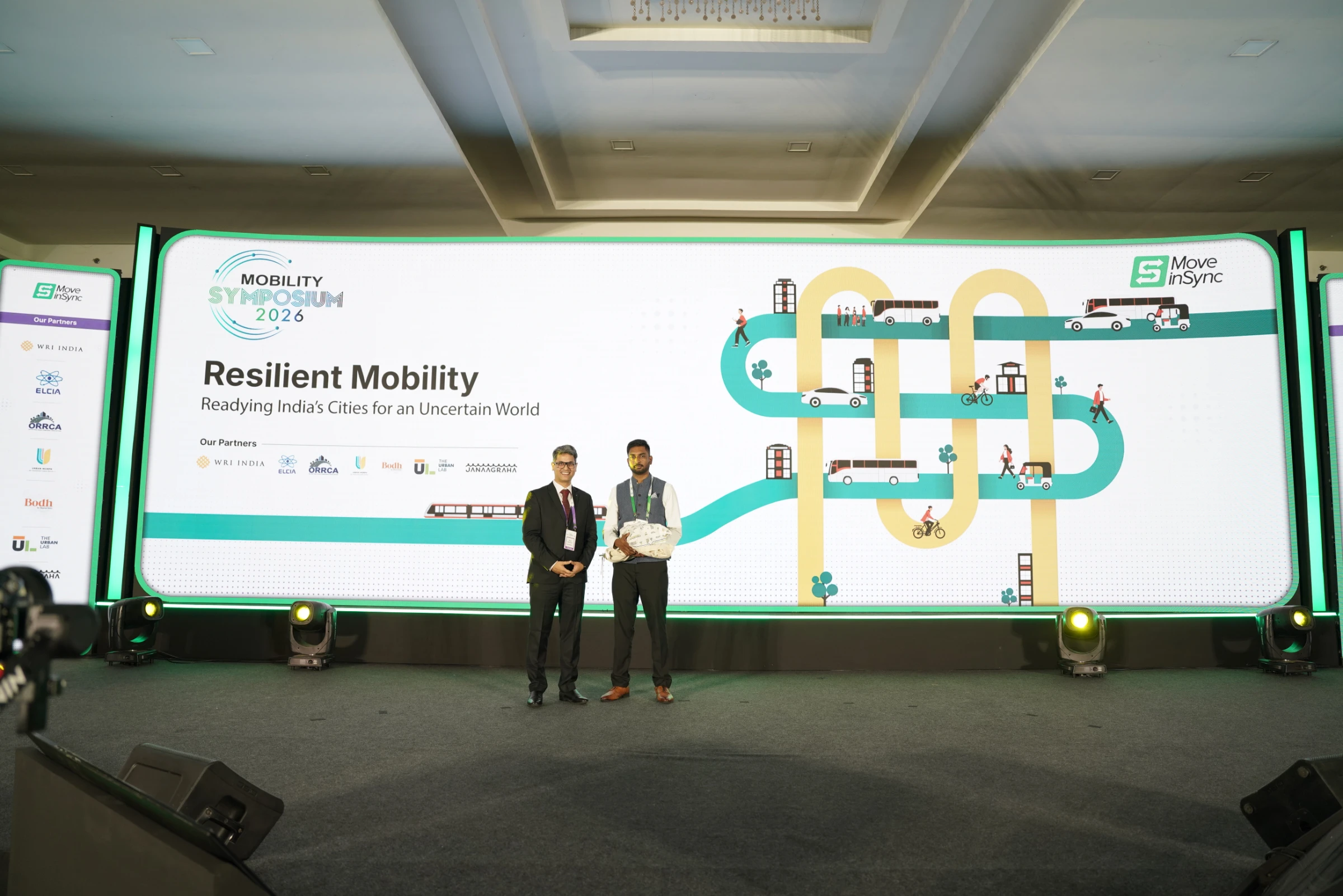
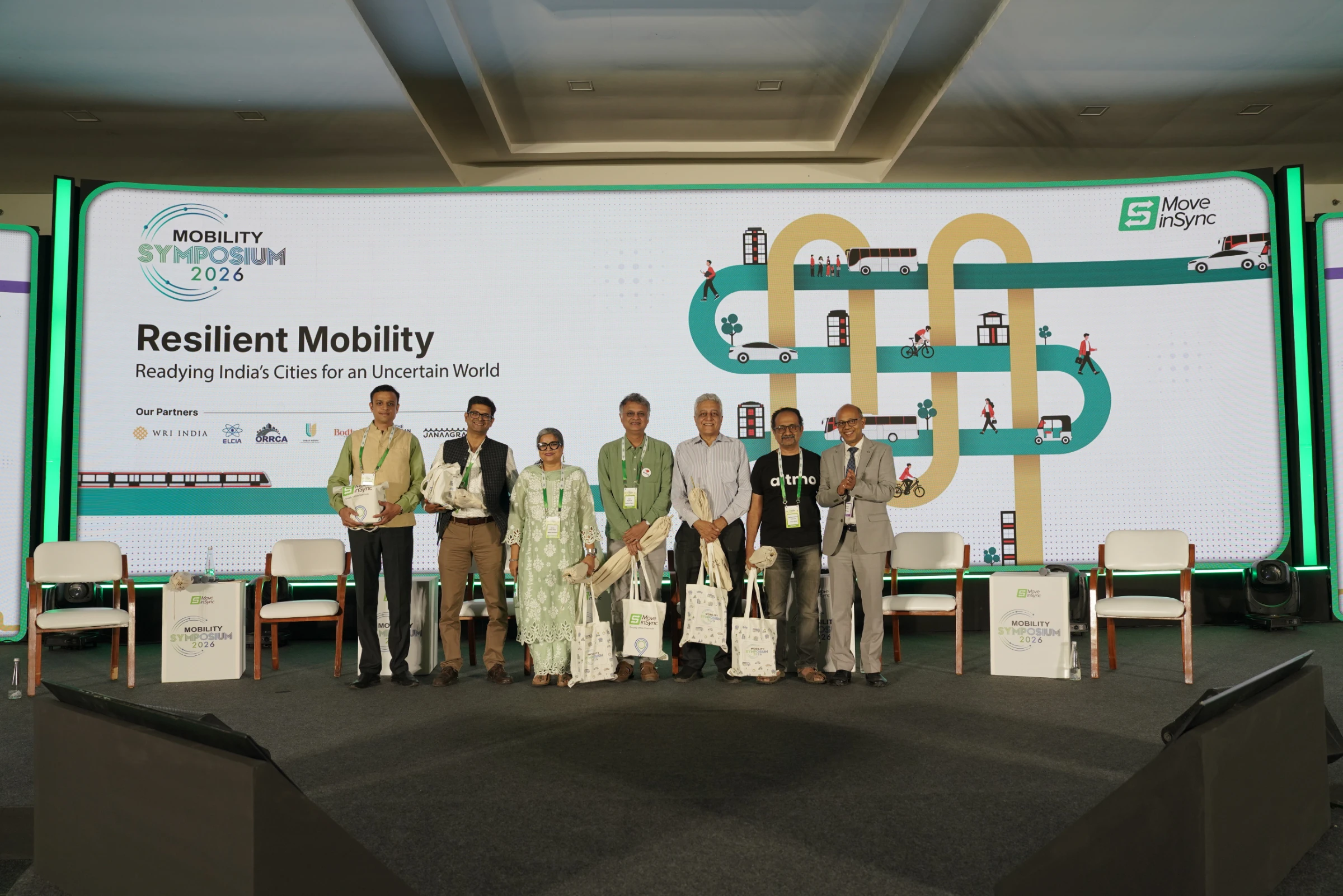
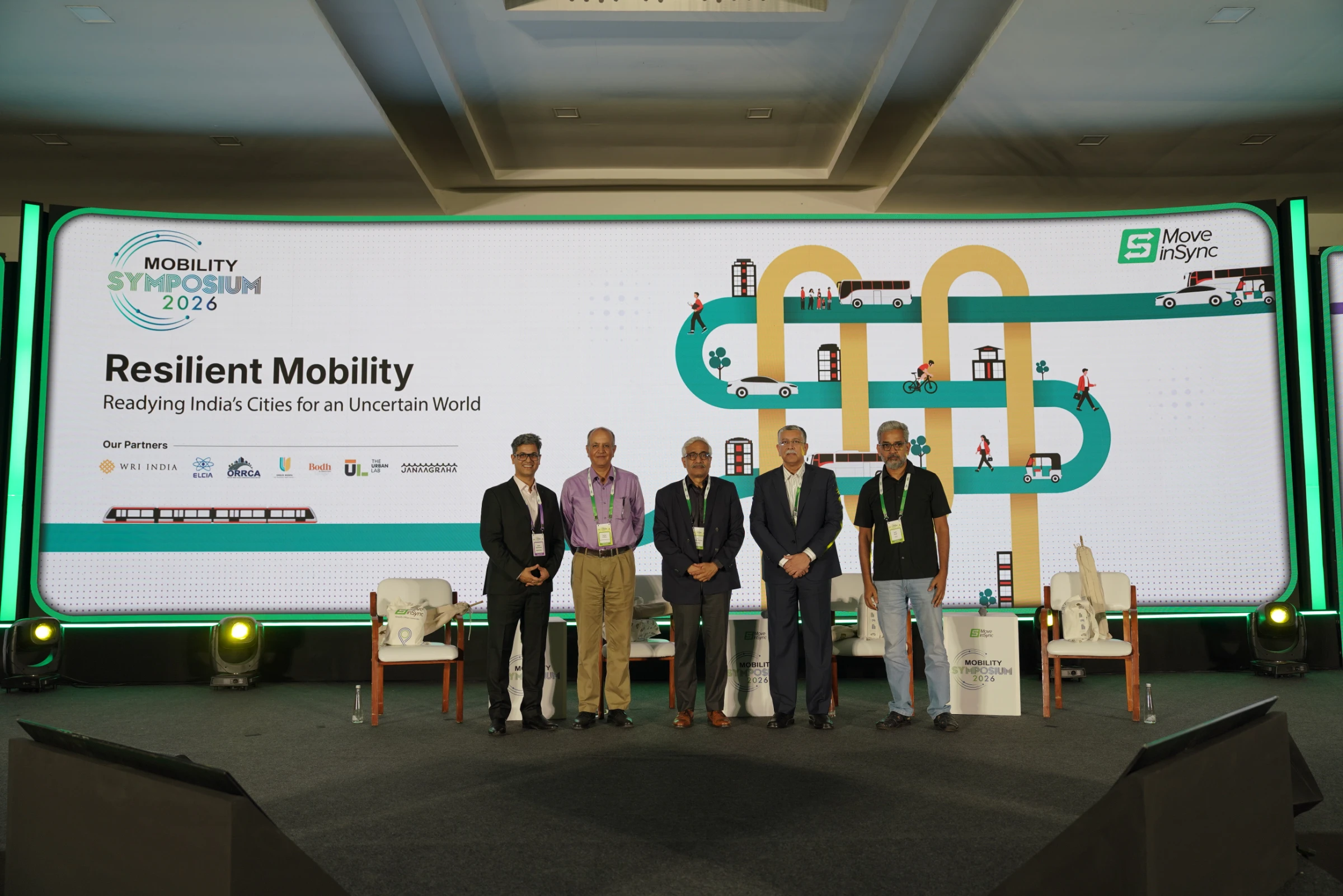
Theme : Resilient Mobility: Readying India’s Cities for an Uncertain World.
08th Oct 2026 |Taj West End, Bengaluru
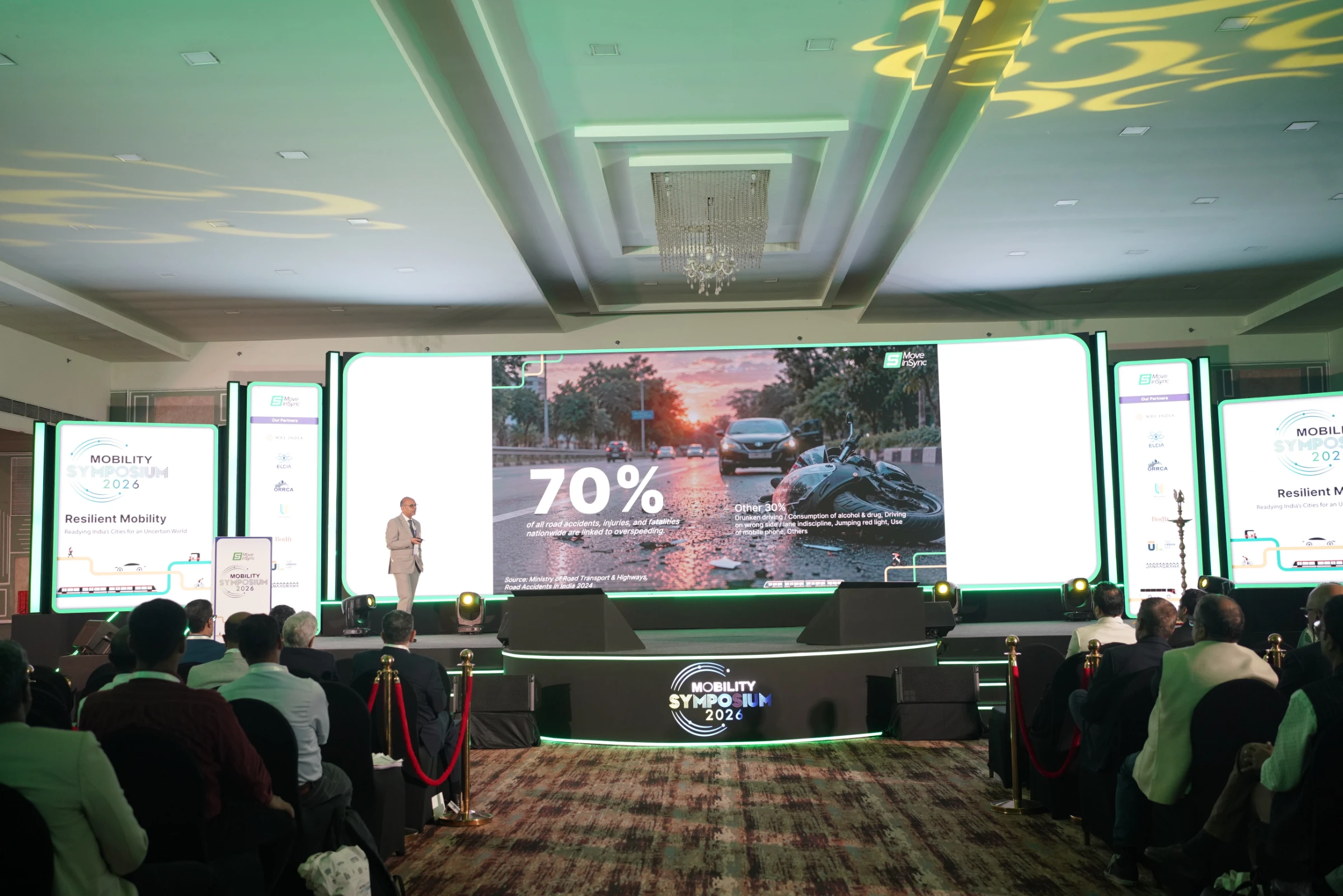
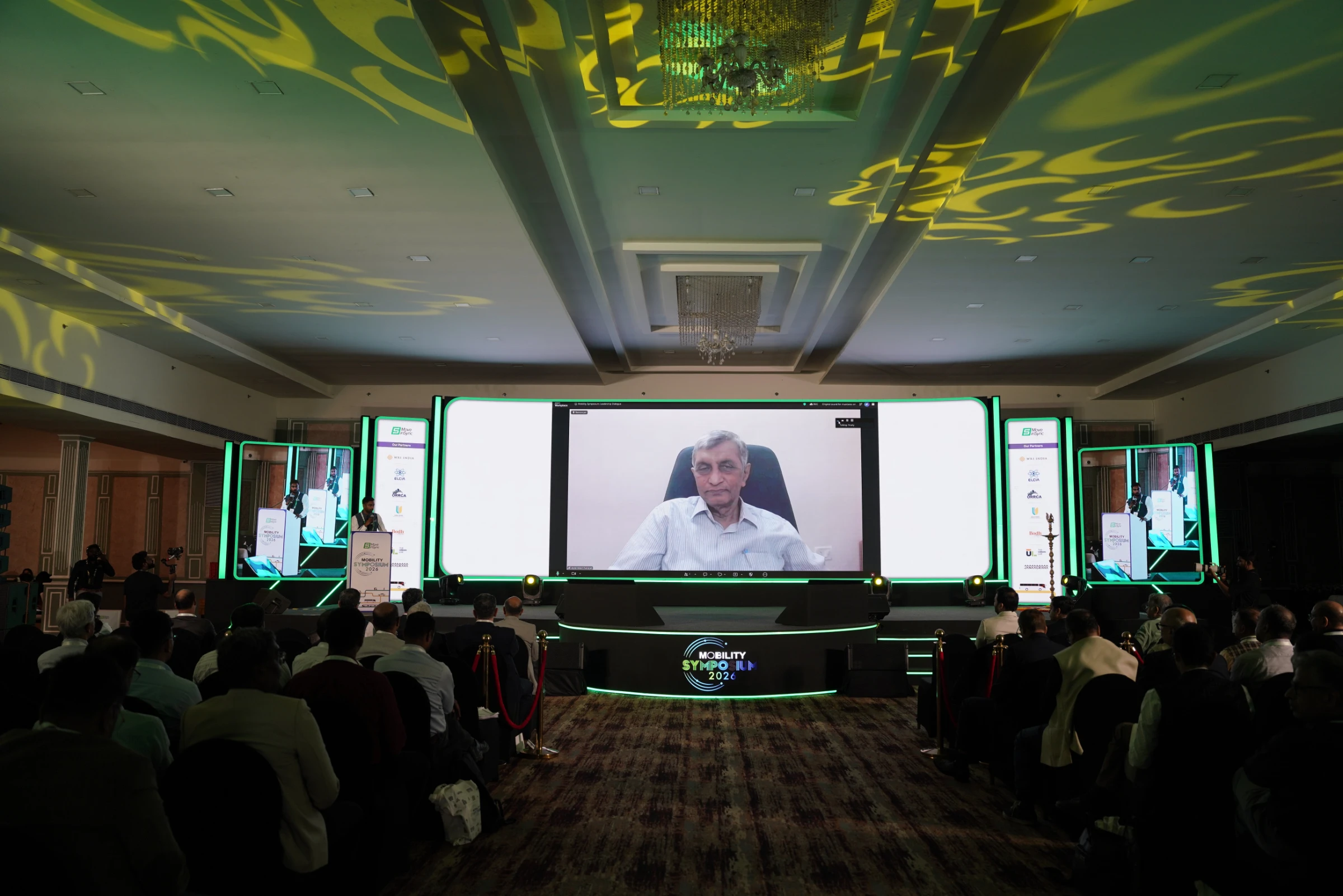
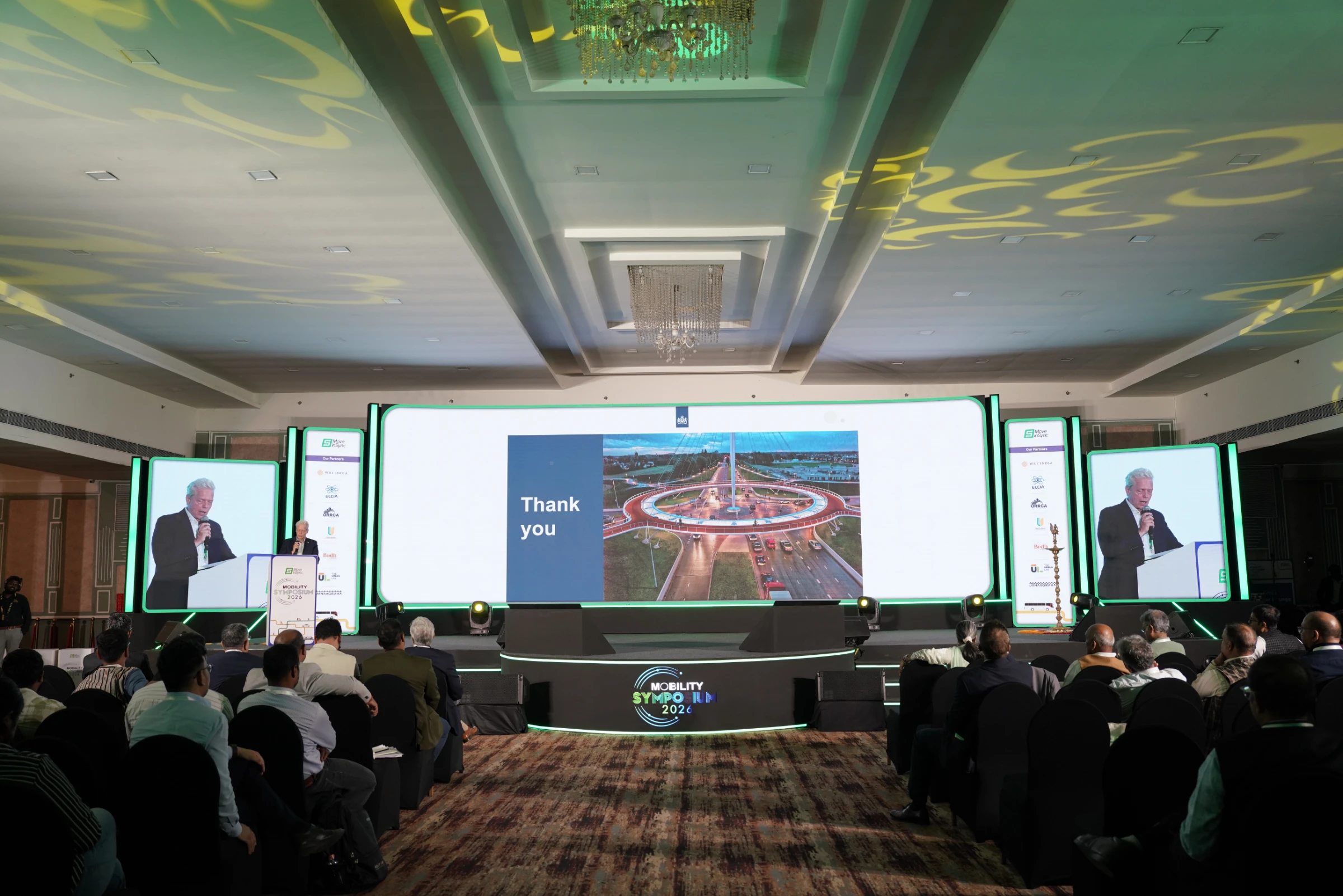
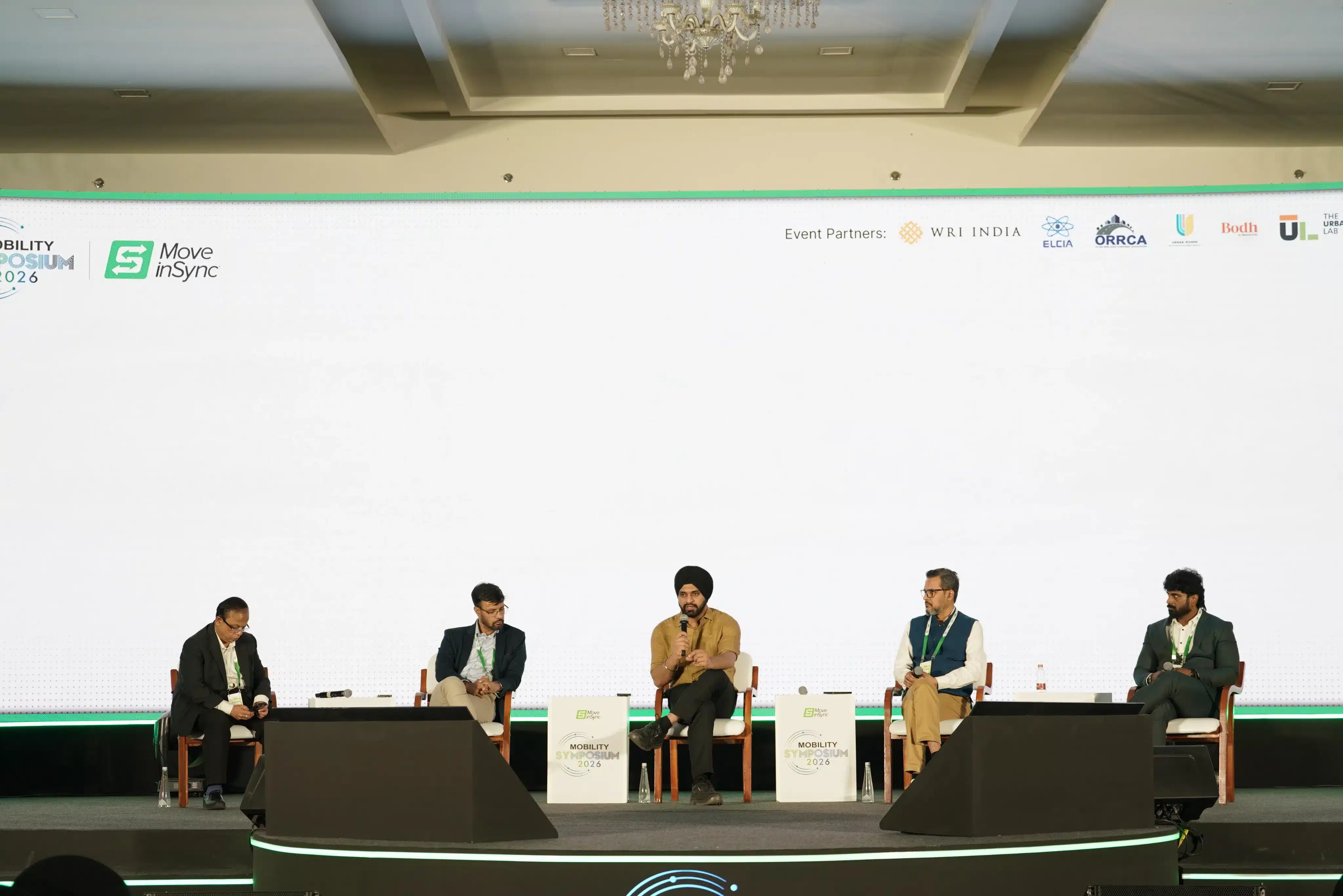
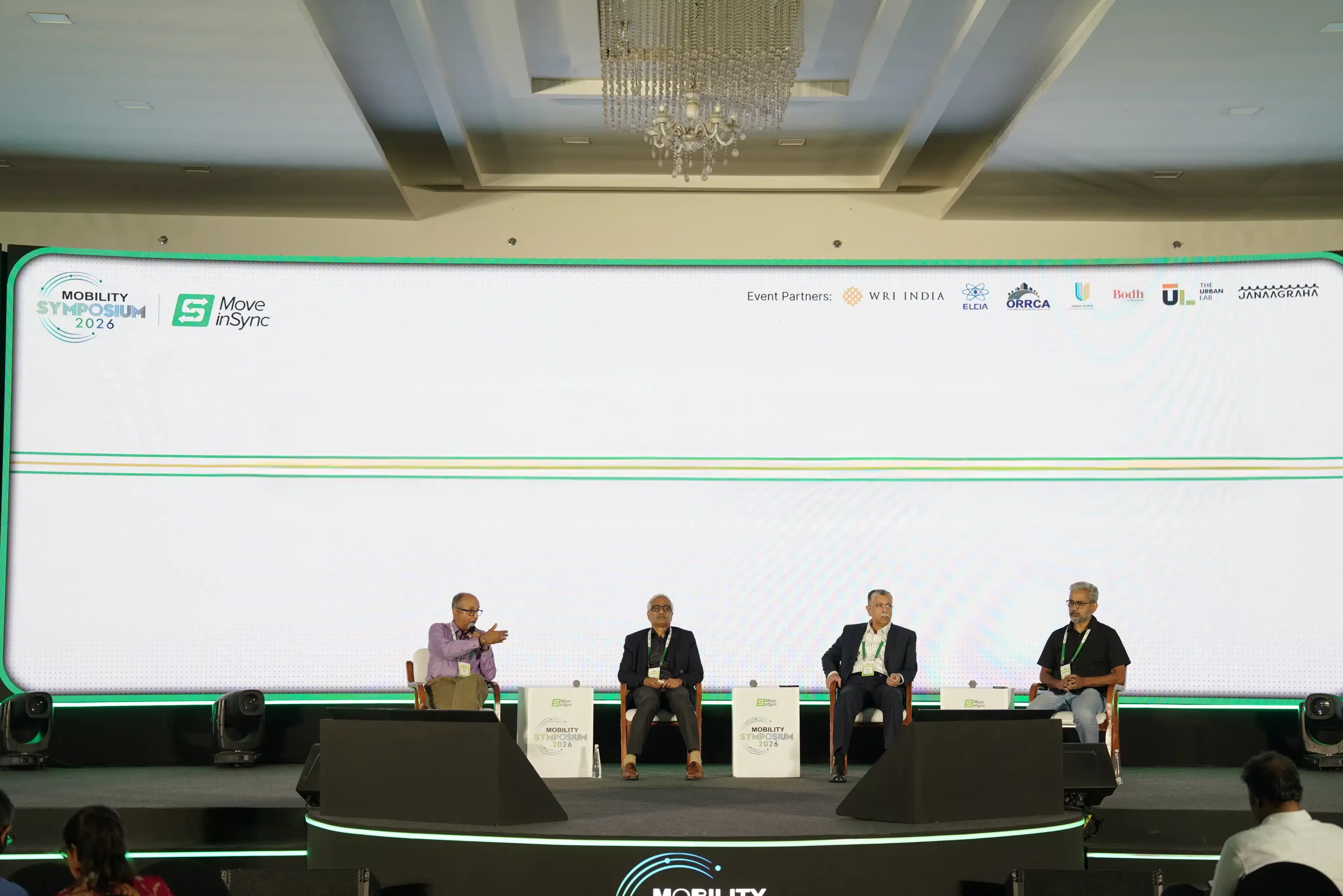
MoveInSync’s Mobility Symposium 2026, its third edition, brought together policymakers, city commissioners, urban planners, corporate leaders and citizens to ask one question: are India’s cities ready for the disruptions coming their way?
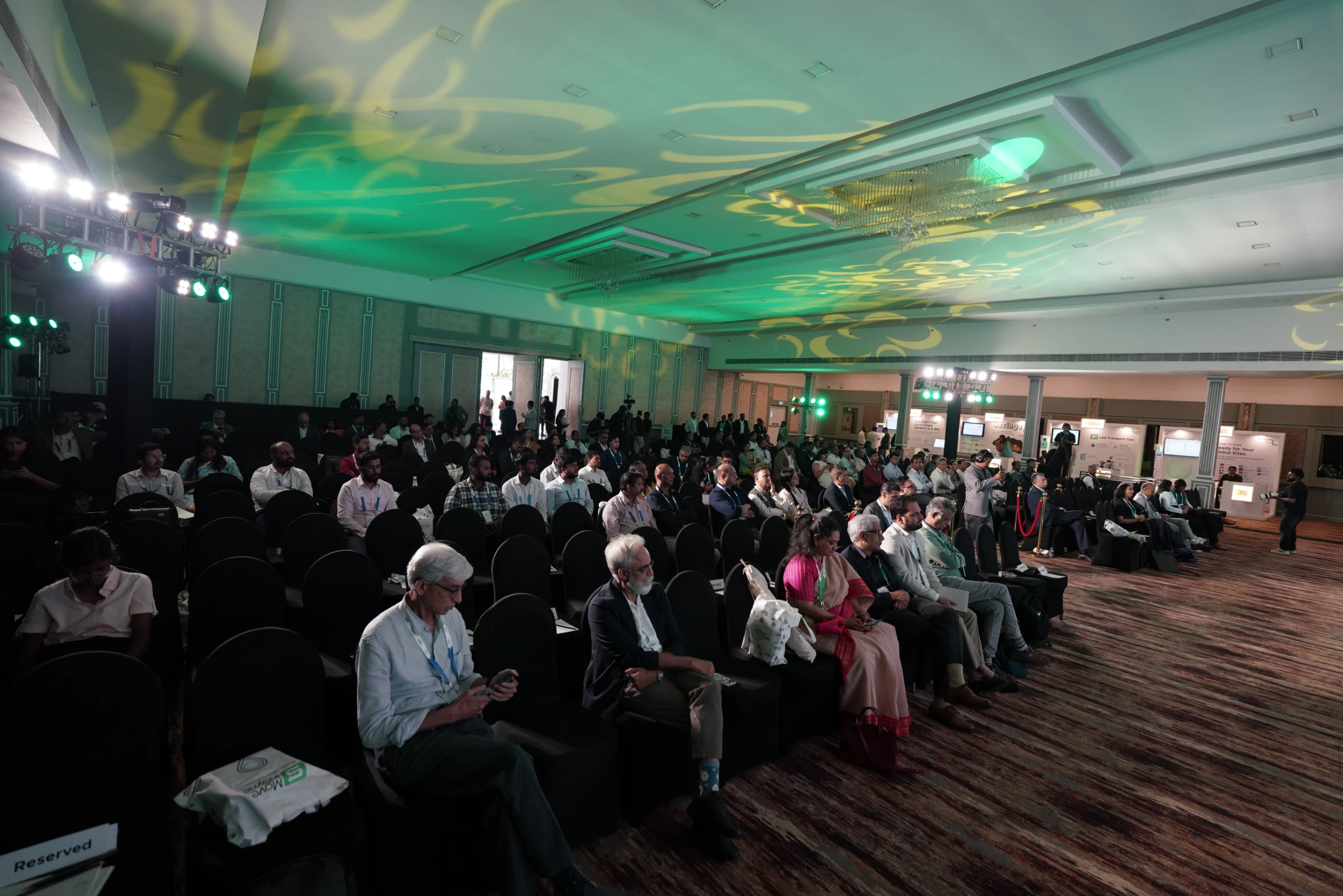
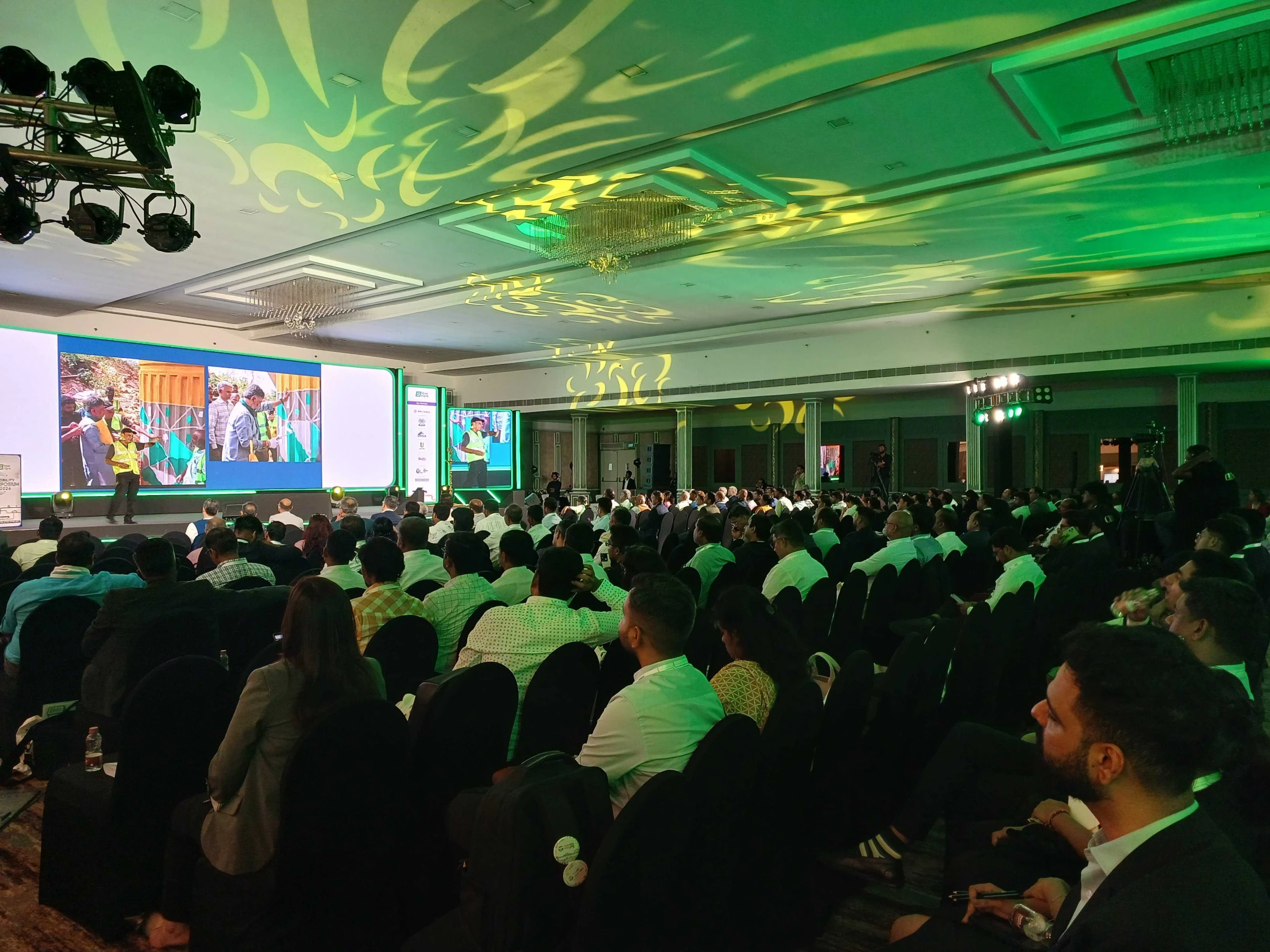
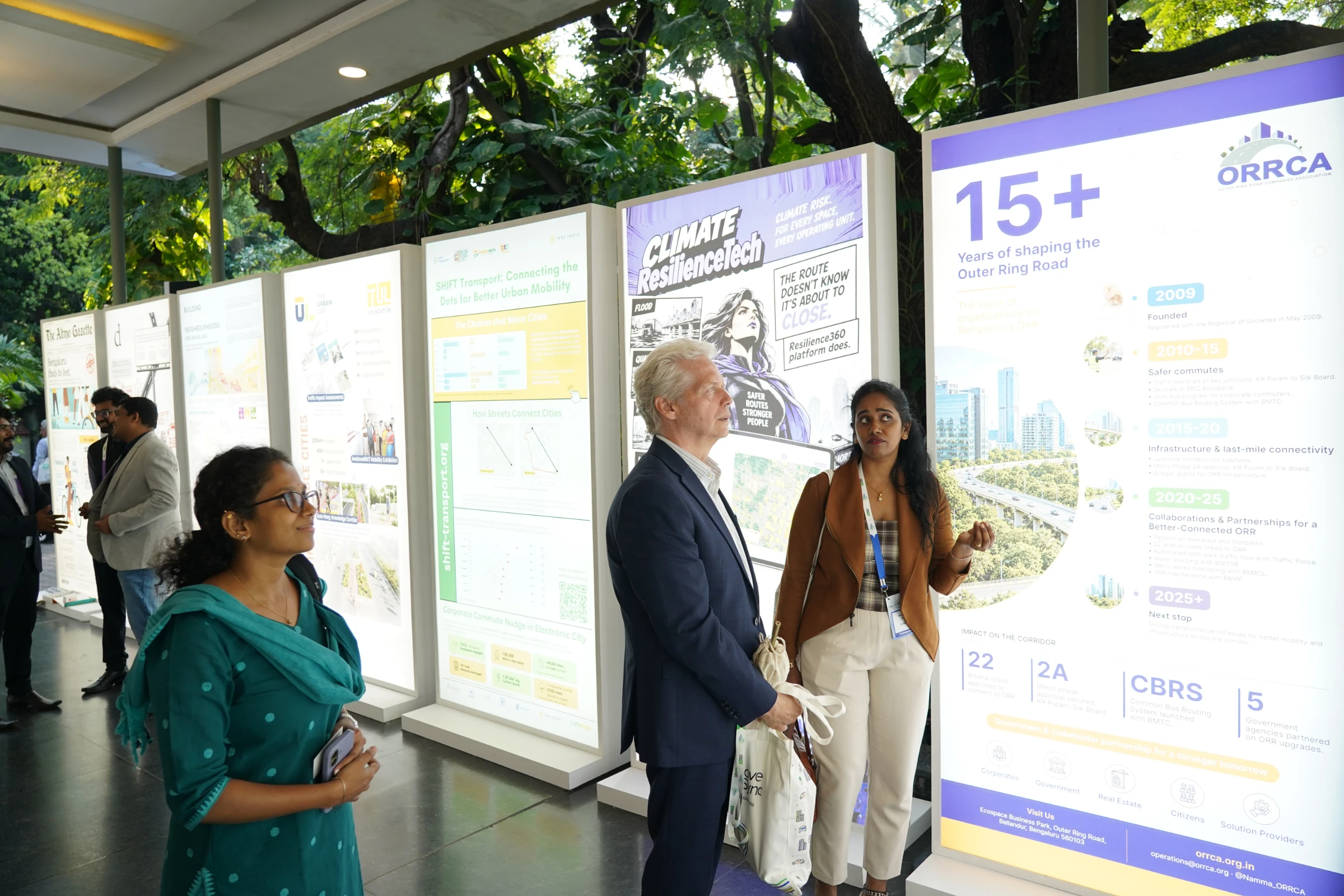
Across 15 sessions, 41 speakers and 400+ attendees from 193 organisations, the conversations explored how public transport, walkable streets, stronger institutions, technology and employers can help cities keep moving through floods, heatwaves, fuel price swings and rapid growth.
How it Unfolded
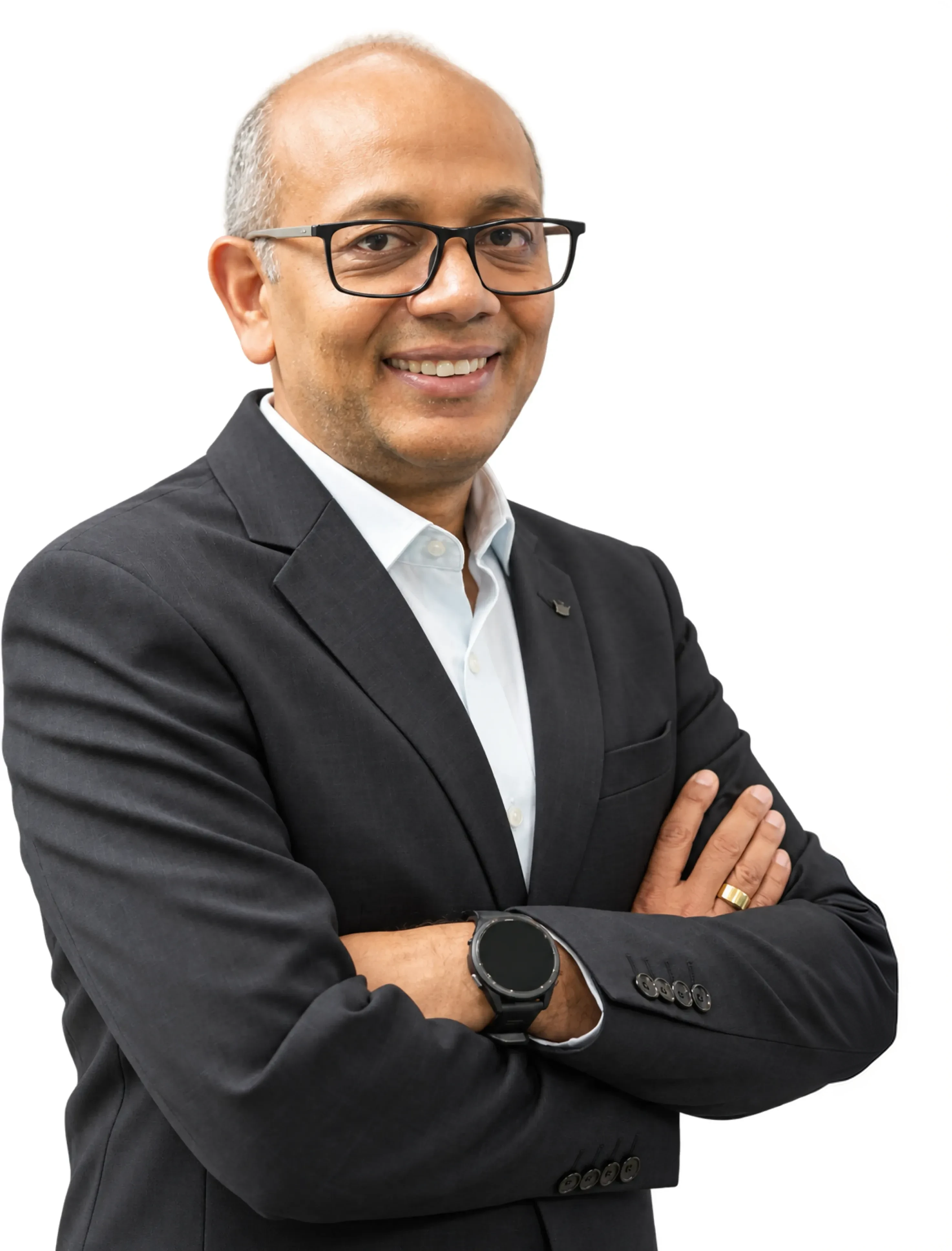
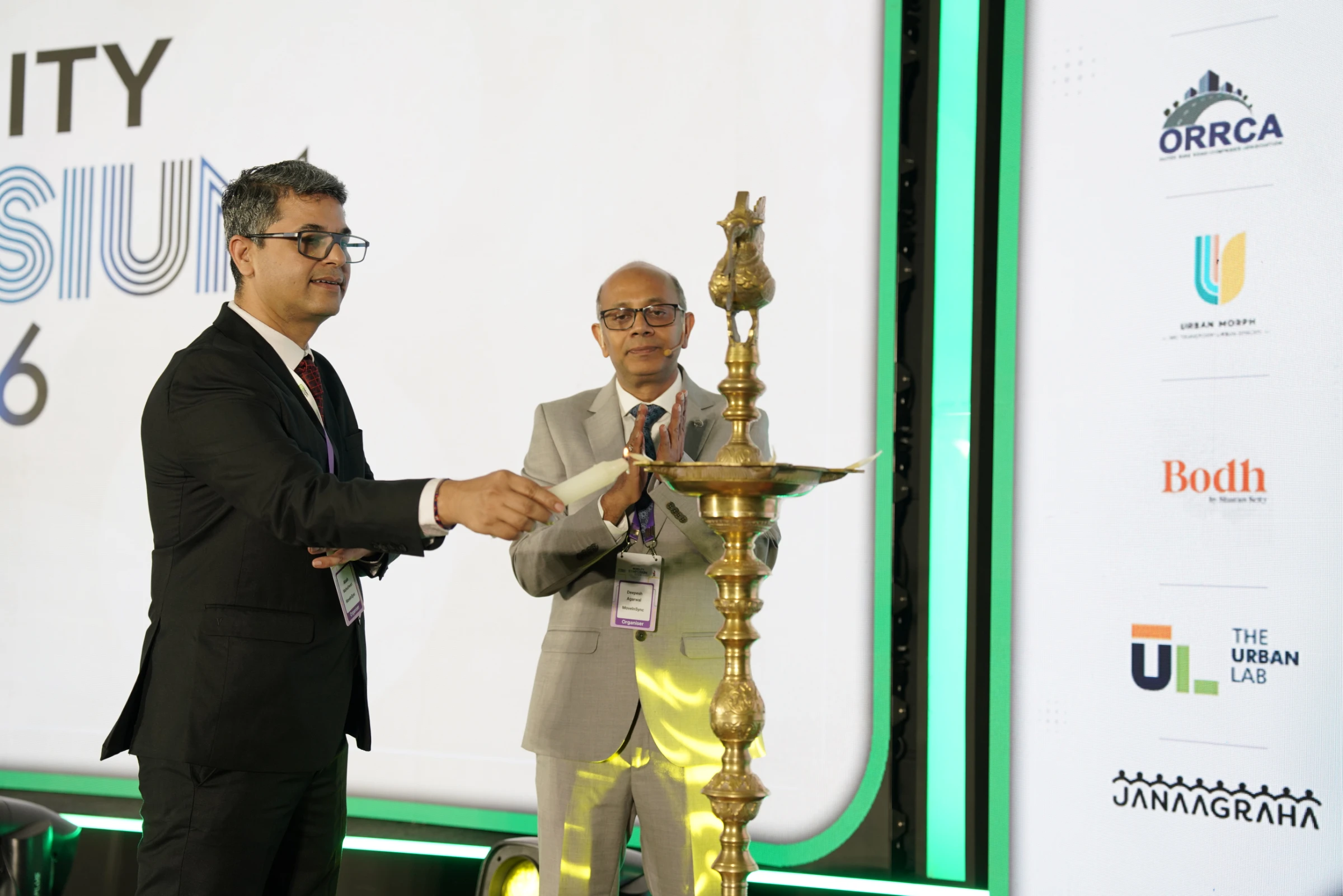
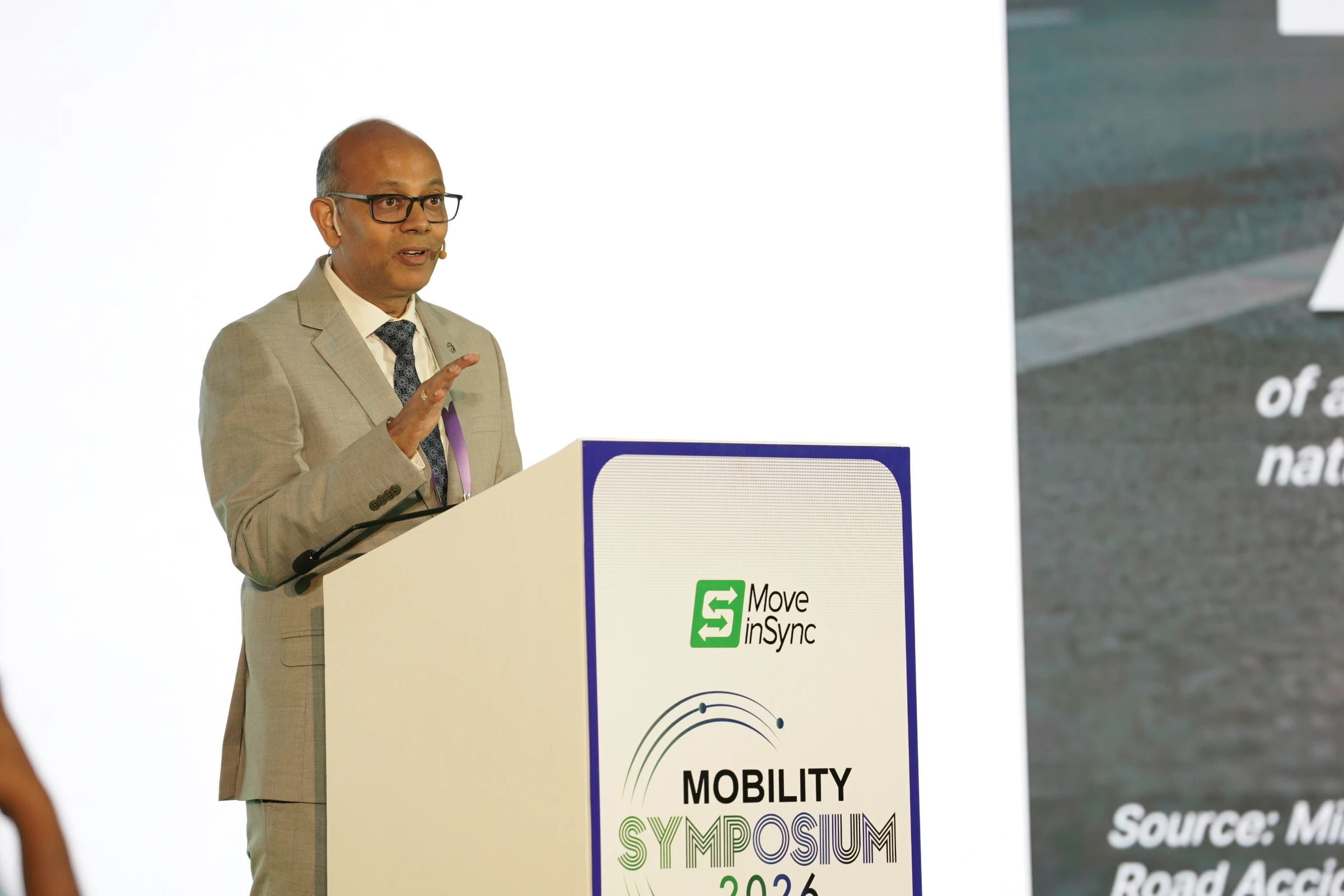
Deepesh traced the Symposium's journey from a single table in 2024 to real outcomes: Walkaluru is now an official GBA policy framework with a ₹70 crore footpath maintenance budget, and Namma Raste Kaipidi (a street design constitution) has been adopted by Bengaluru and Hyderabad. He also shared MoveInSync's overspeeding analysis: across 3.28 lakh trips in five cities, most overspeeders saved no more than six minutes, and 38% in Bengaluru actually reached later.
Deepesh Agarwal TEST
CEO & Co-founder, MoveInSync
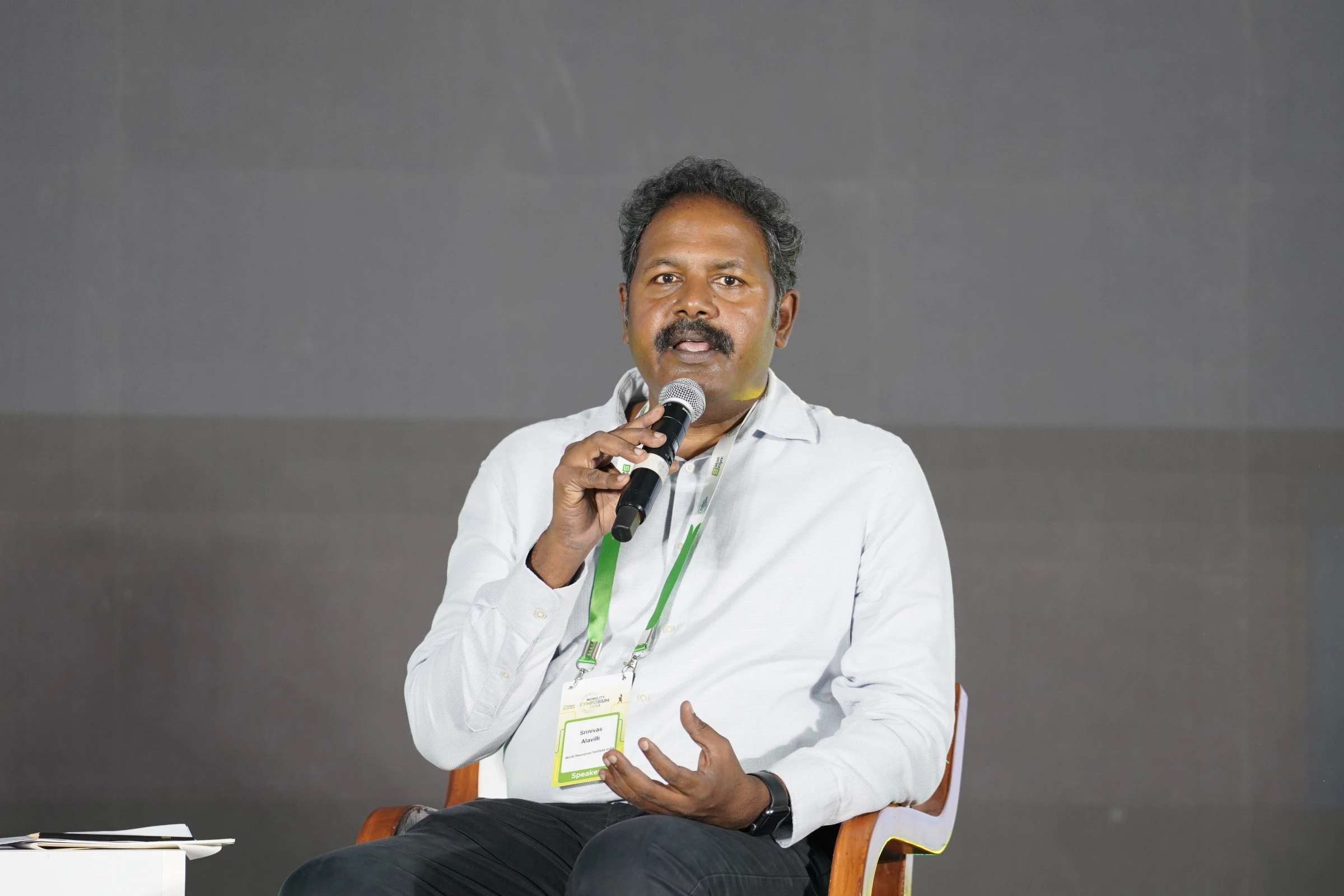
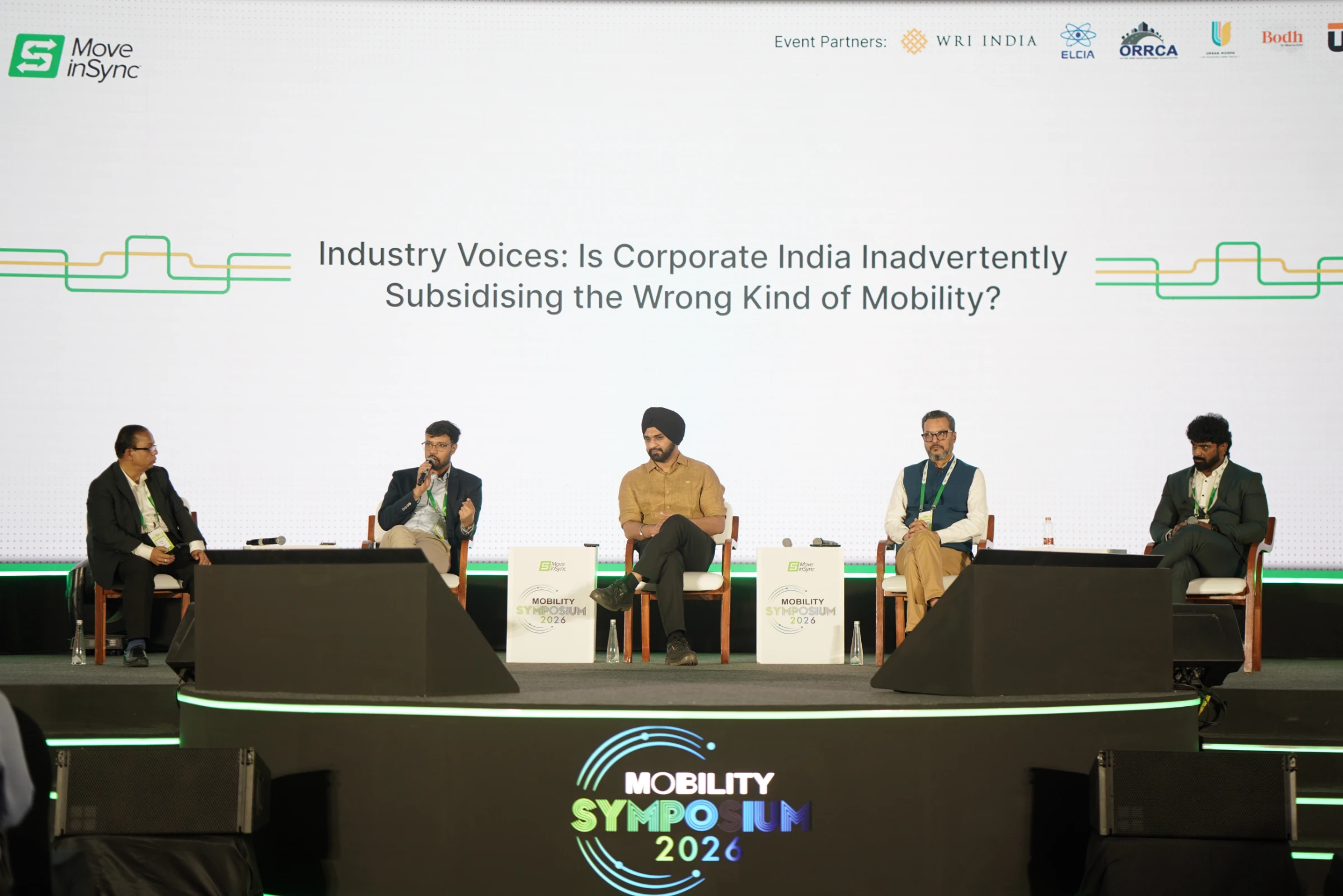
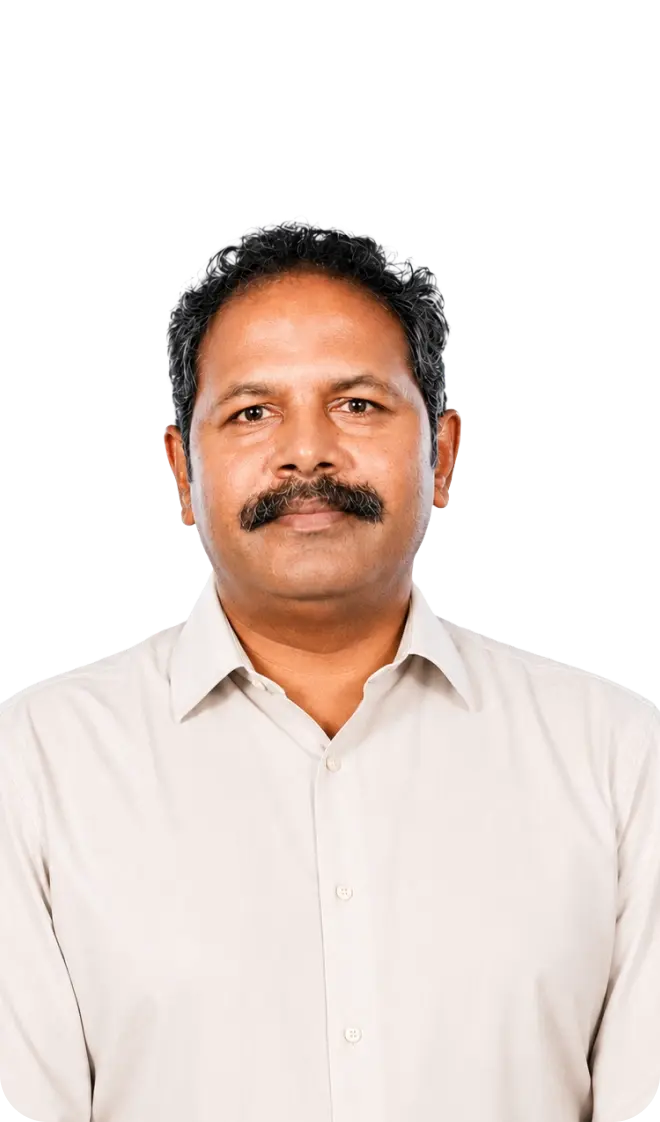
Srinivas presented the Corporate Commute Nudge with ELCIA, which uses company policy to shift employees from cars to metro and bus. A free parking spot costs up to ₹8,000 a month in Bengaluru, he said, so if parking can be a perk, so can a metro pass. Biocon employees took 1,25,000 metro trips, and 9% moved out of cars and cabs.
Srinivas Alavilli
Fellow, Integrated Transport and Road Safety, WRI India
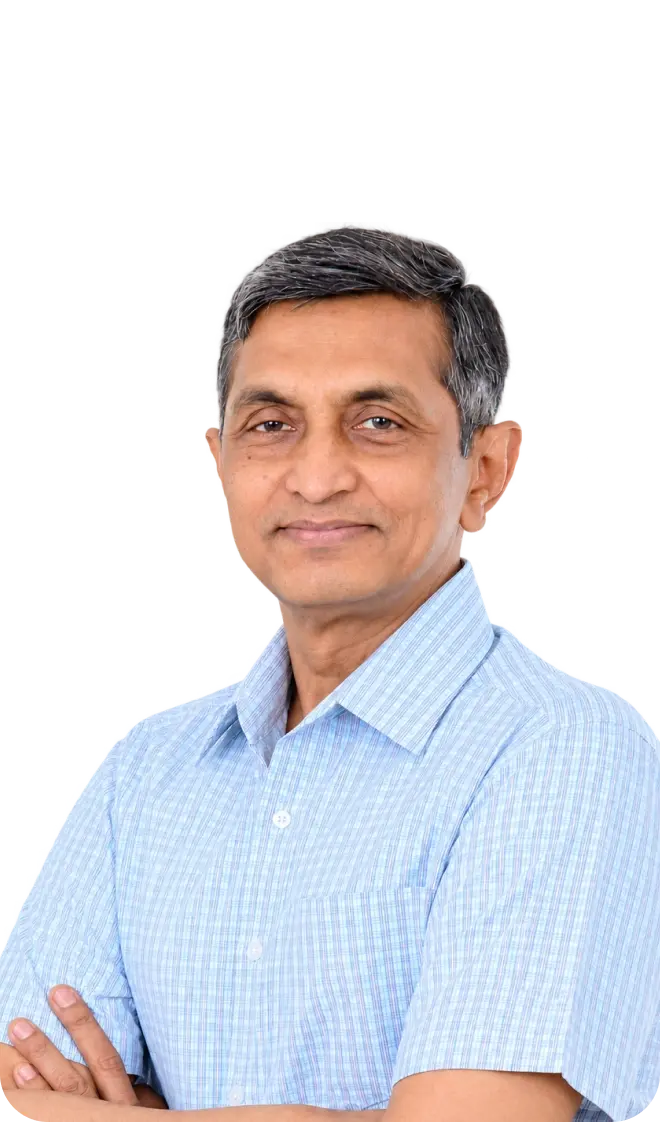
In conversation with Sharan Setty (Bodh), Dr. Narayan traced India's mobility crisis to weak local government: local bodies spend 54% of public money in China, but just 3% in India. With Bengaluru at 85 private vehicles per 100 people, he called for one transport authority, one ticket, strict enforcement and better footpaths before any megaproject.
Dr. Jayaprakash Narayan
Founder, Foundation for Democratic Reforms; Founder, Lok Satta
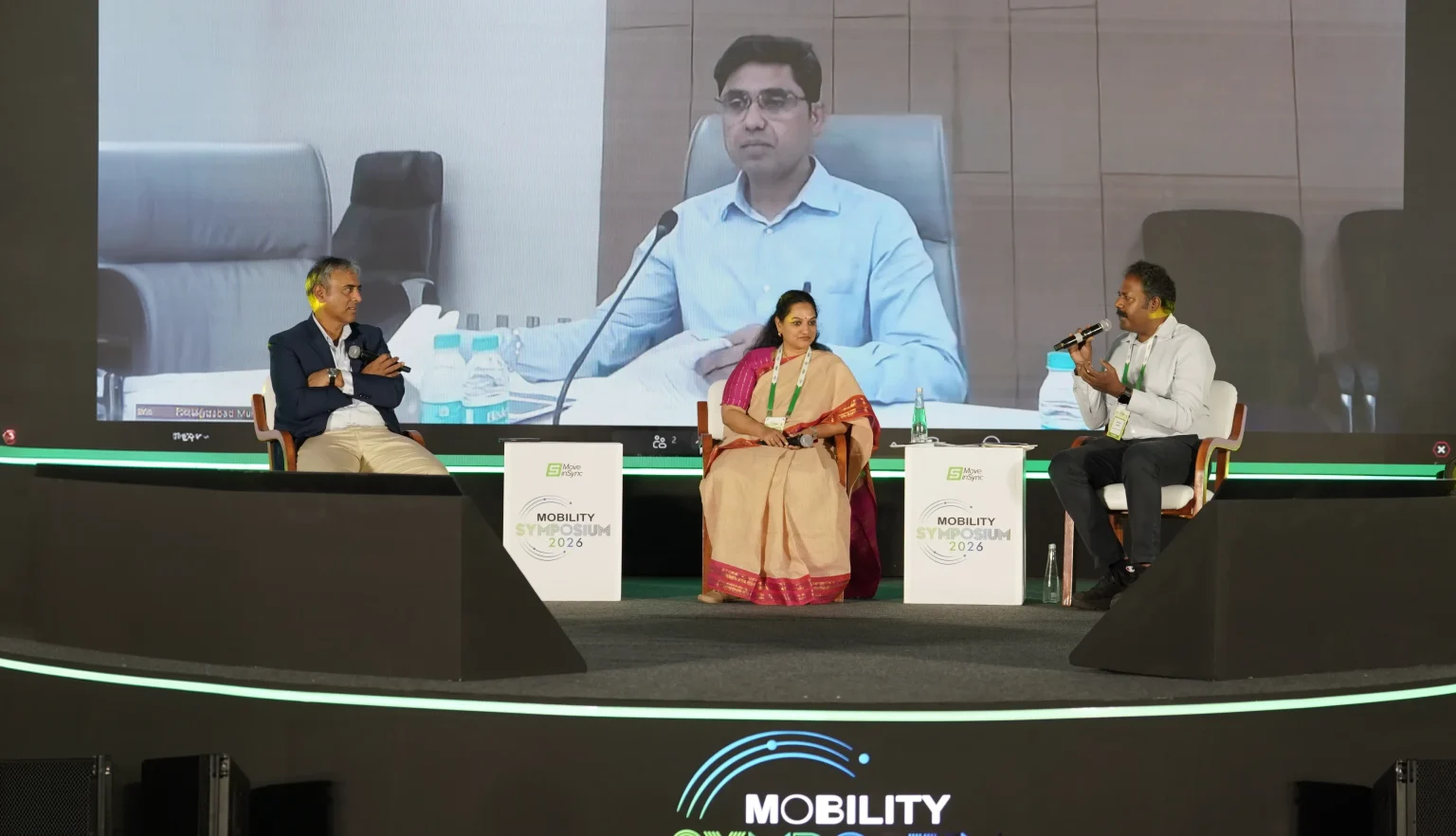
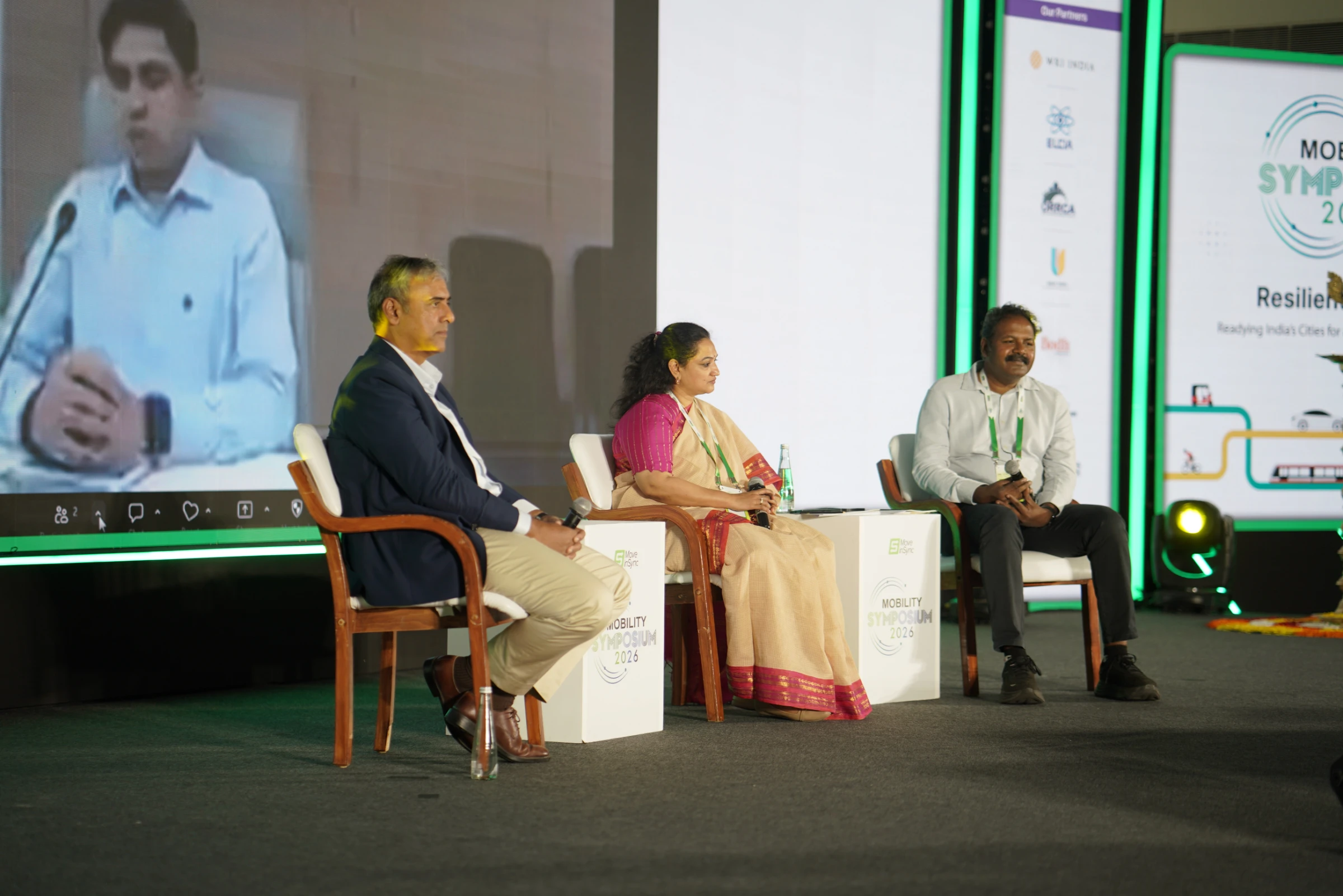
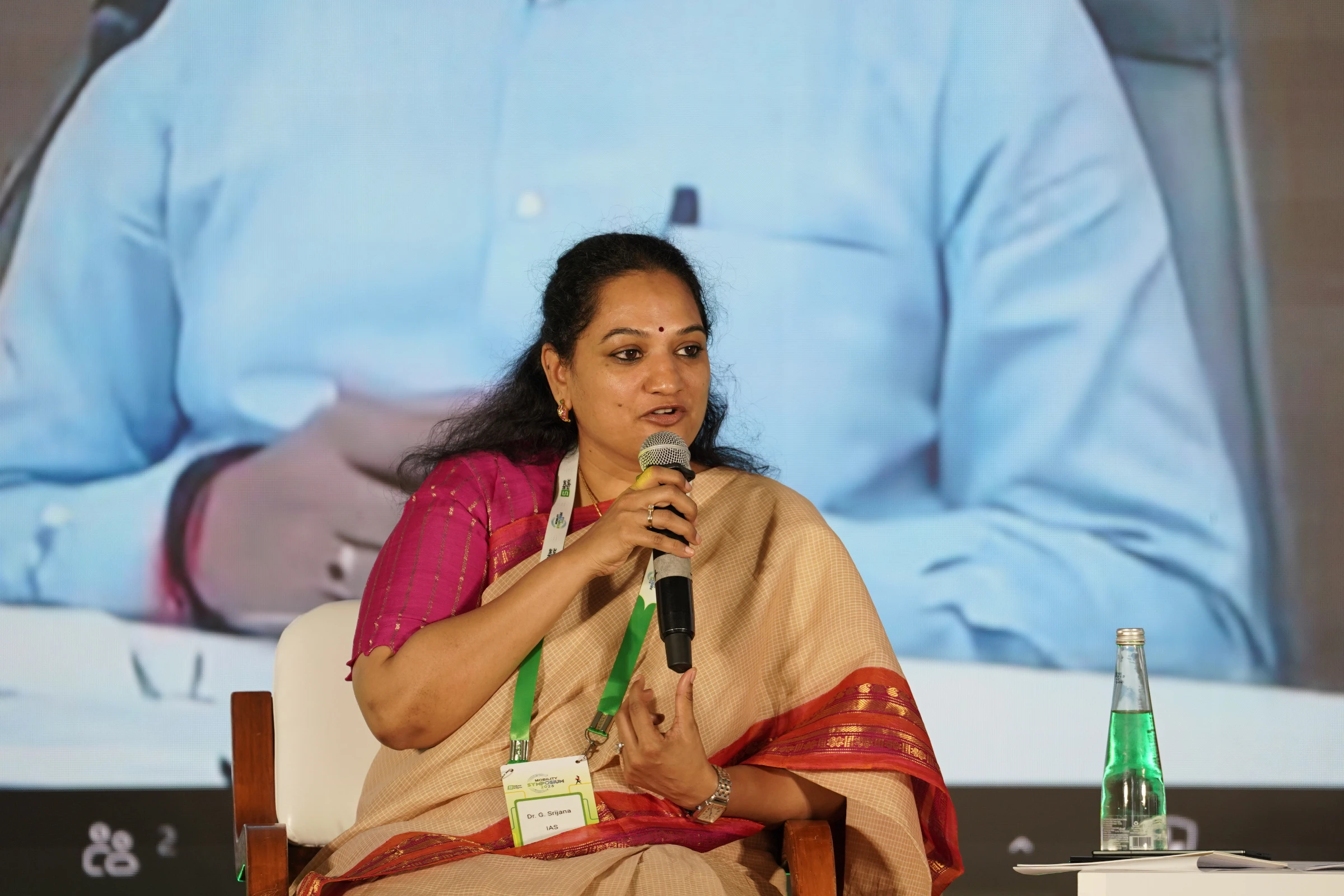
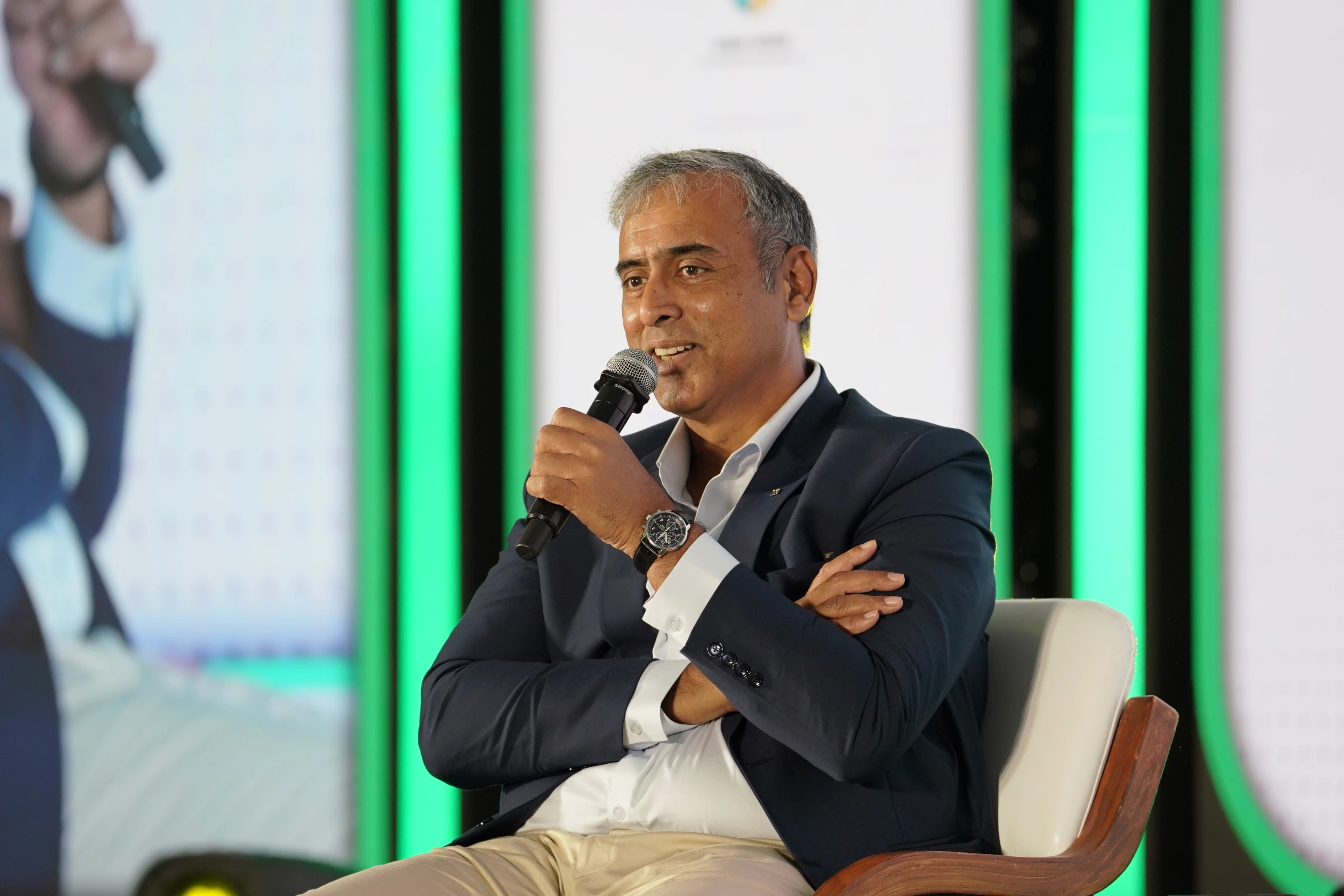
Moderated by Srinivas Alavilli (WRI India), the commissioners of Bengaluru, Cyberabad and Ahmedabad shared how they are keeping transit ahead of growth, floods and heat. Ahmedabad bought 2,000 buses in a year, Bengaluru is putting walkability before road widening, and Cyberabad is shifting from proximity to access. Their ask to employers: less parking, and room for city buses inside tech parks.
Srinivas Alavilli
Maheshwar Rao
Dr. G Srijana, IAS
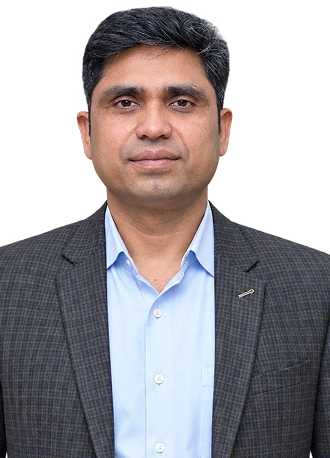
Shri Banchhanidhi Pani
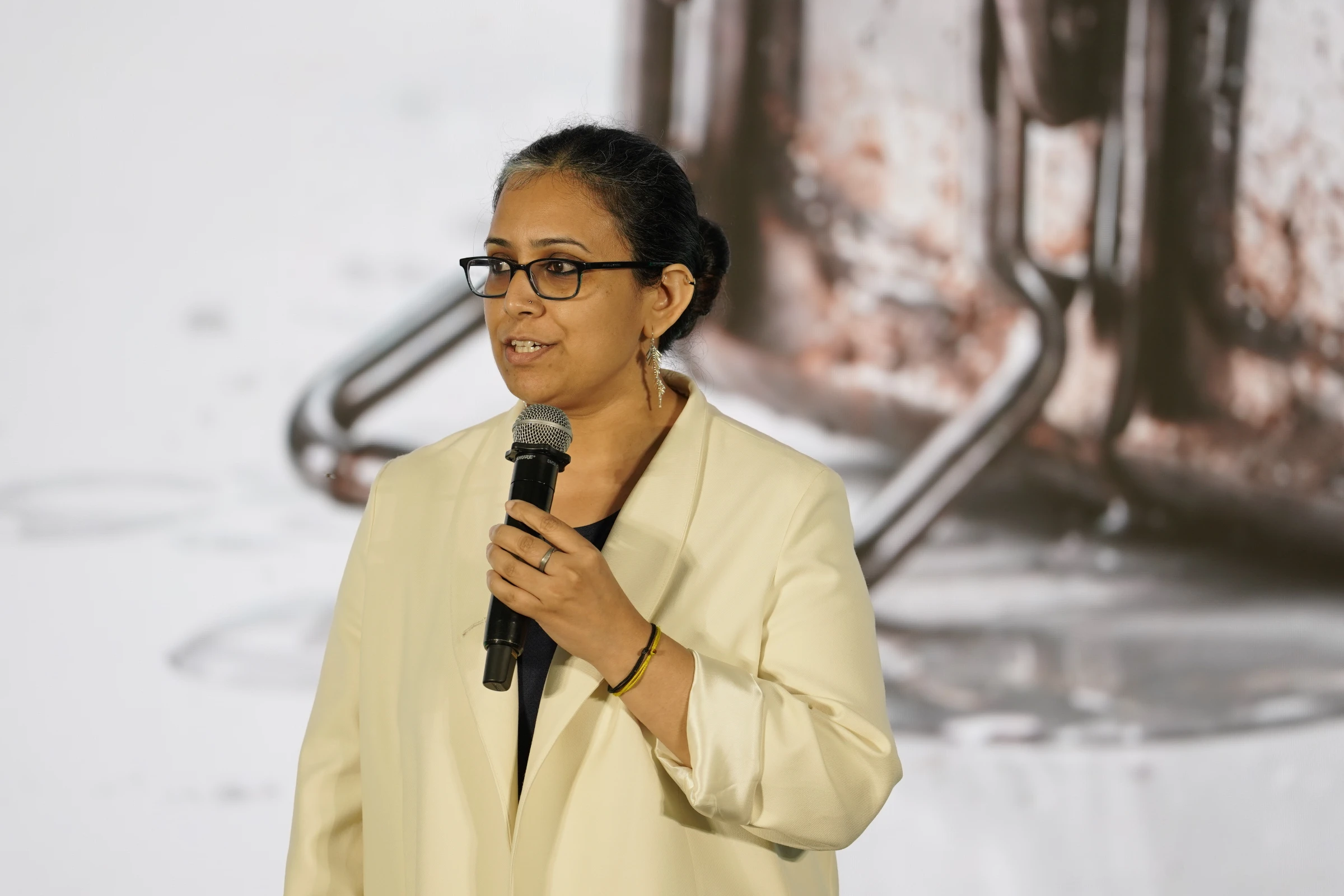
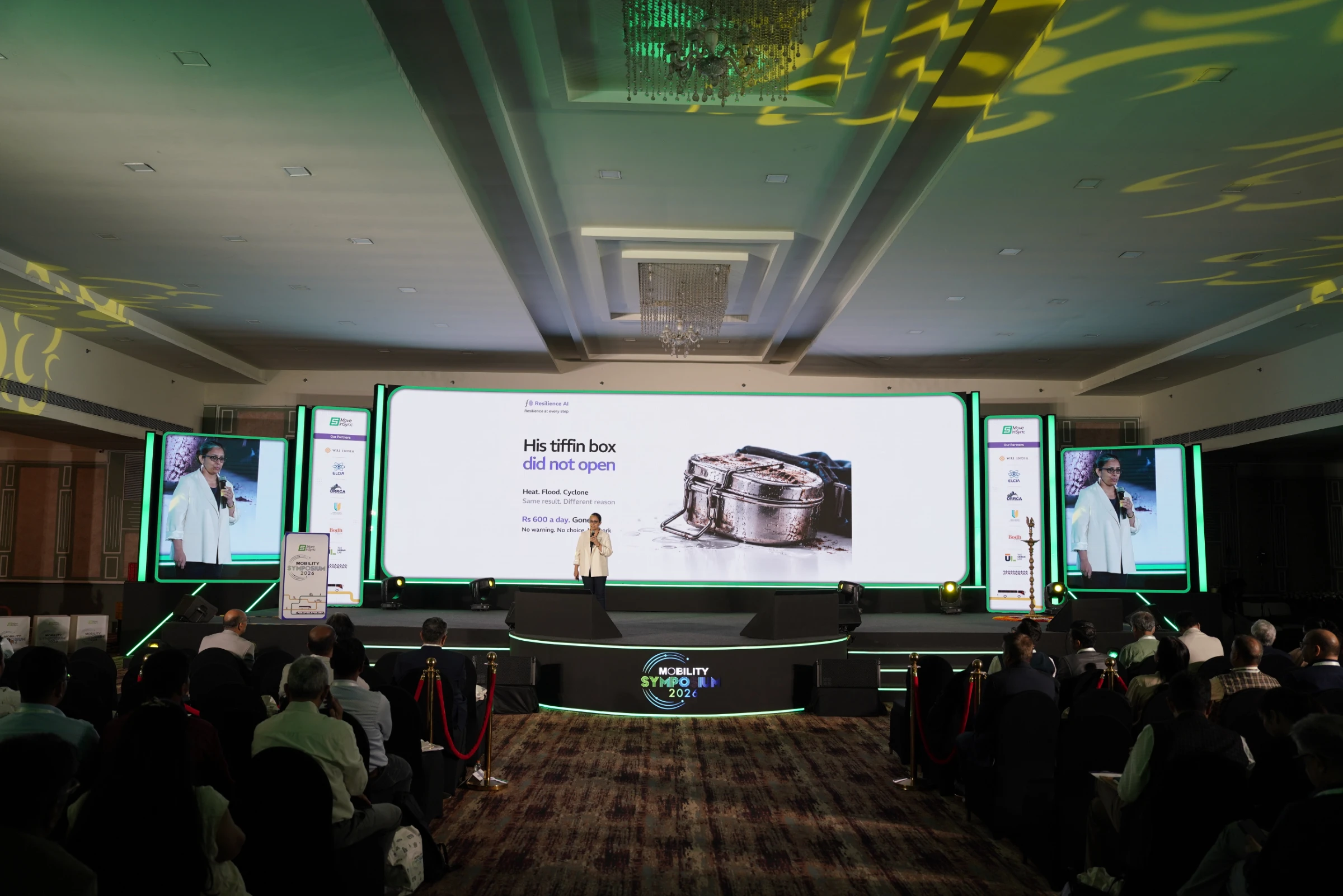
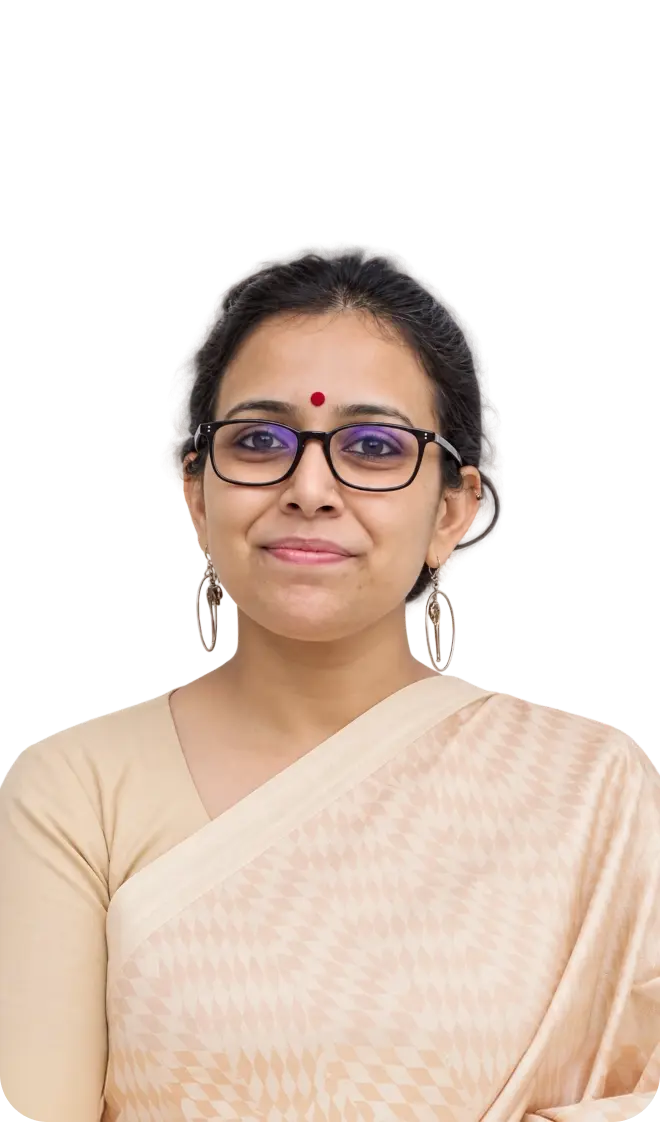
Samhita showed how Resilience360 predicts how floods, heatwaves and other hazards will hit any location over the next 90 days, down to 0.1 sq km, and turns that risk into a rupee value so organisations know what to plan for.
Samhita R
CEO, Resilience360
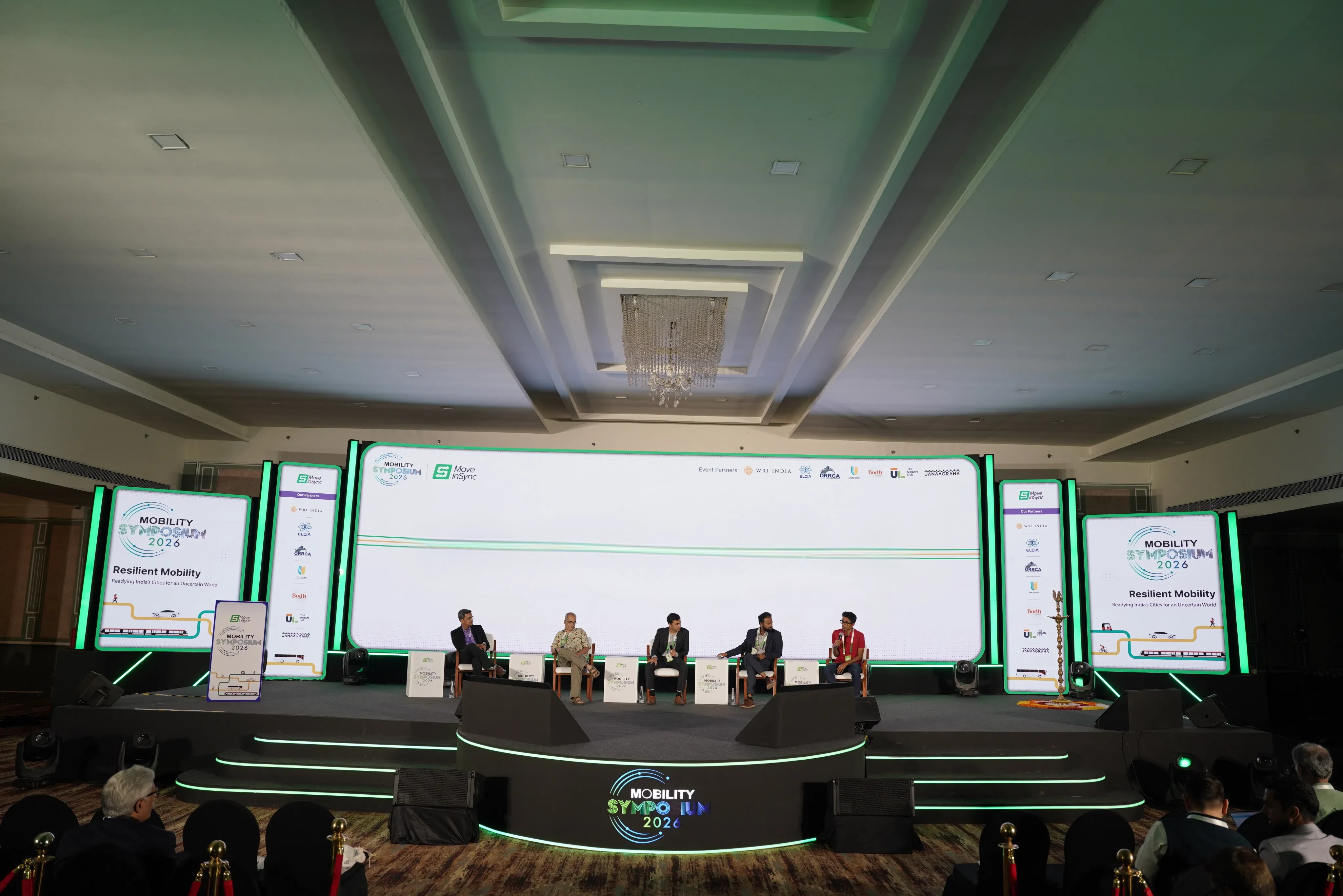
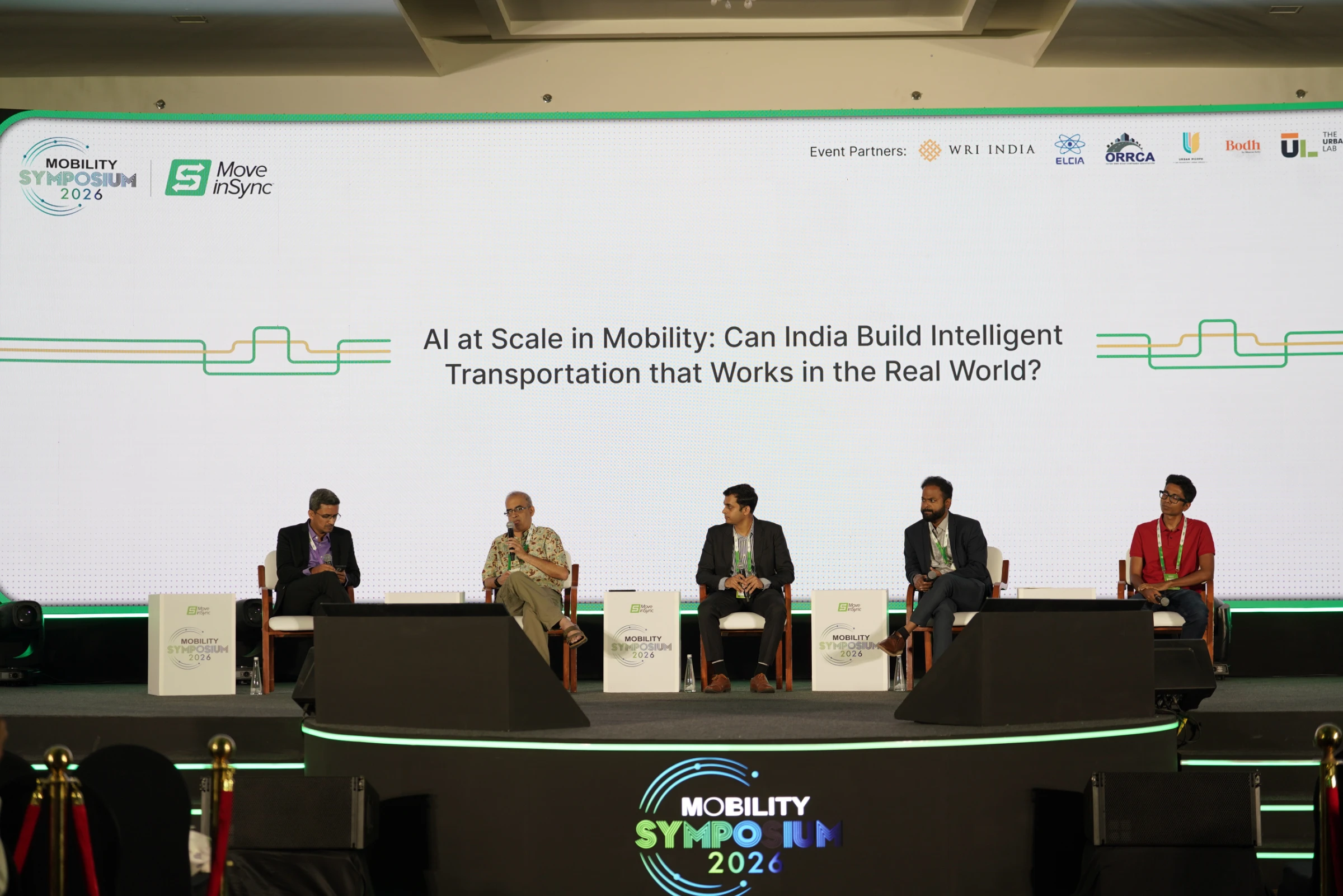
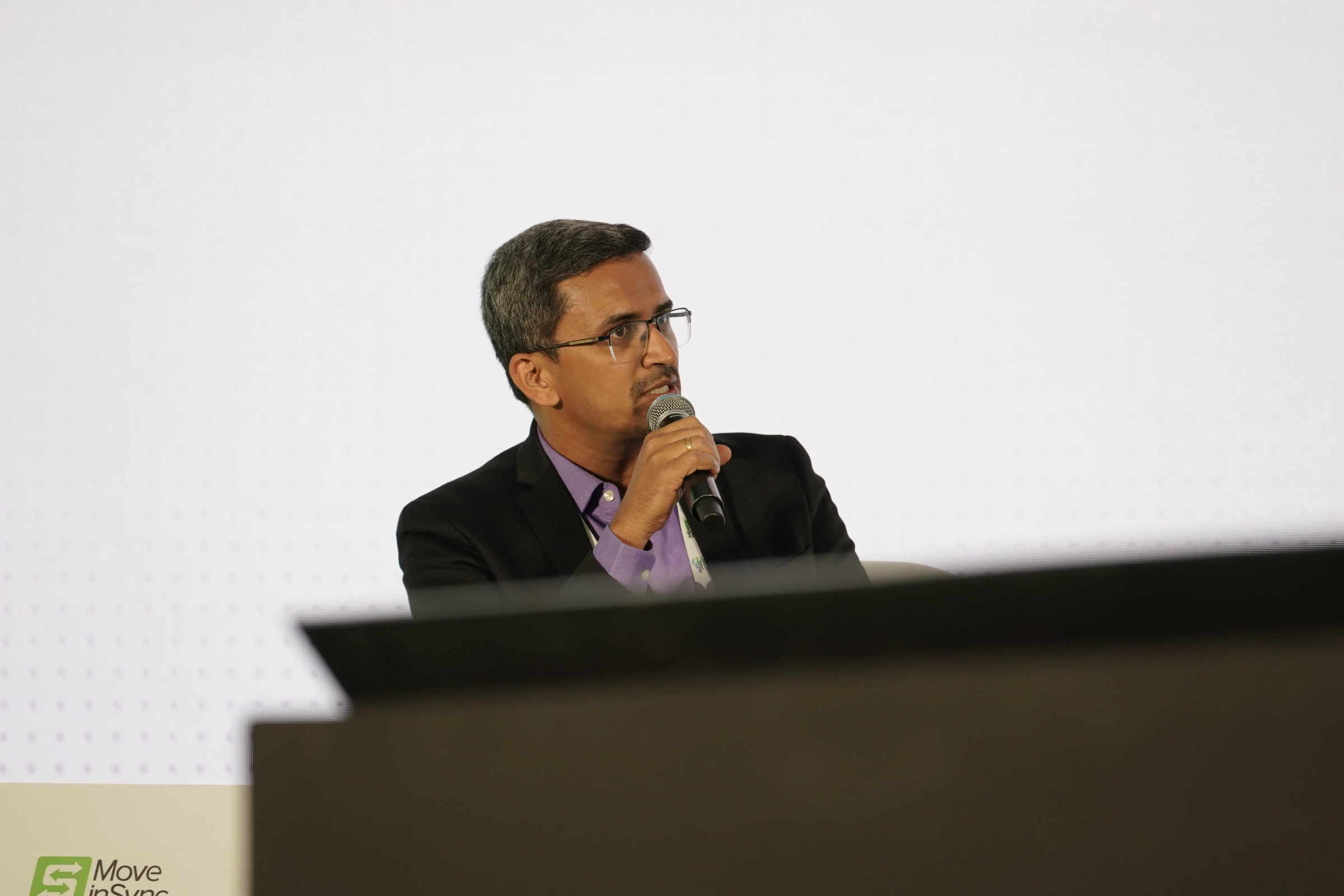
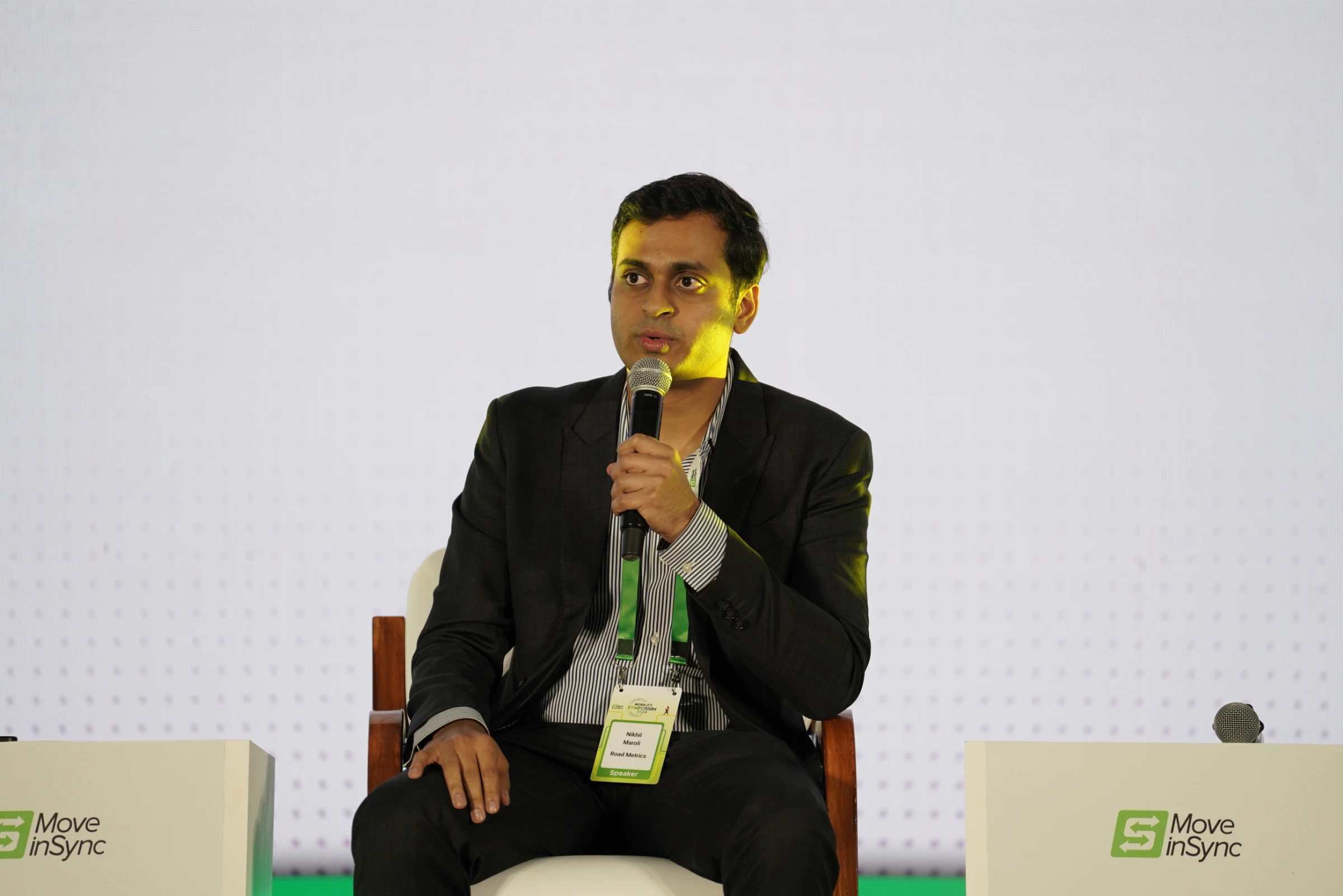
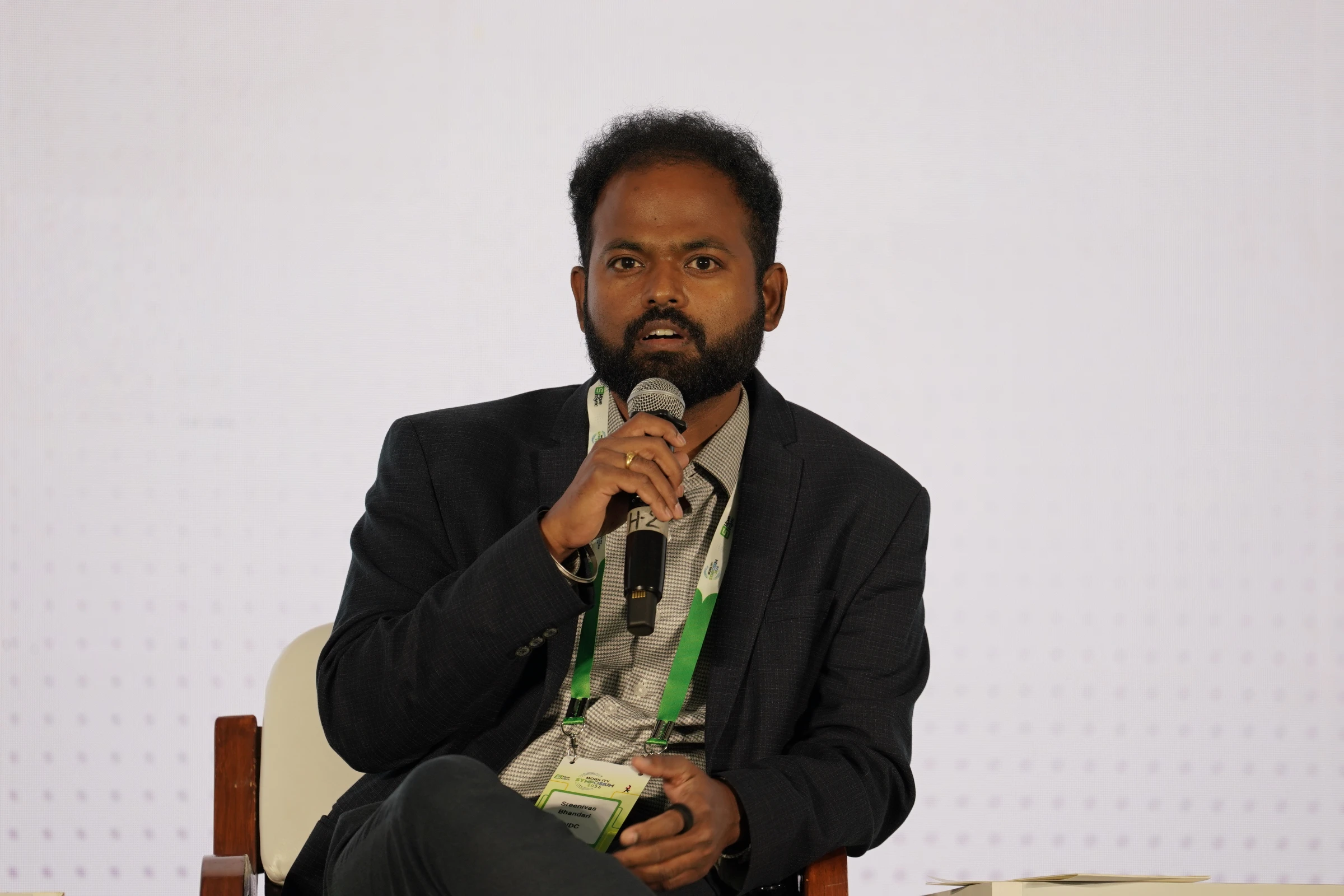
Moderated by Visweswaran Gowrisankaran (MoveInSync), the panel looked past pilots to what makes AI work for everyone. ONDC showed multimodal ticketing already live across ten metro networks, Road Metrics cut road surveys from months to hours, and the panel agreed that technology must be built with government, not sold to it.
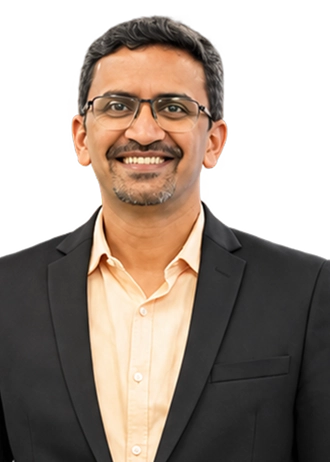
Visweswaran Gowrisankaran
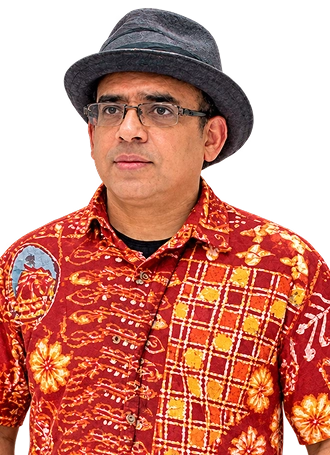
Dr. Ashwin Mahesh
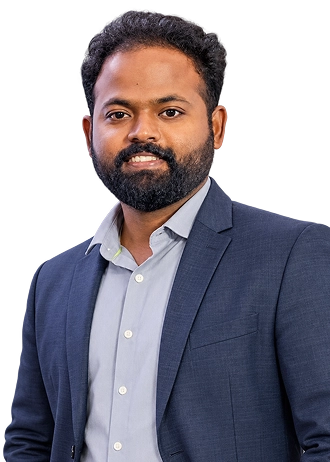
Sreenivas Bhandari
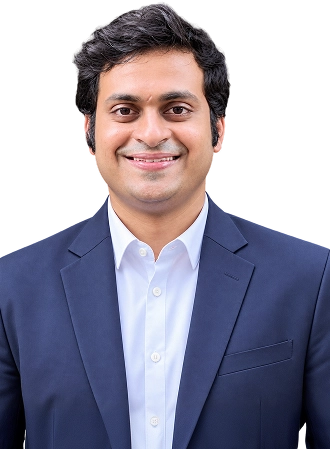
Nikhil Maroli
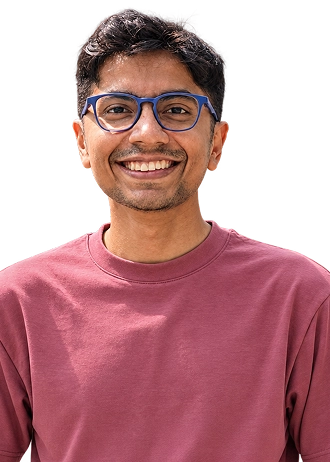
Gaurav Sen
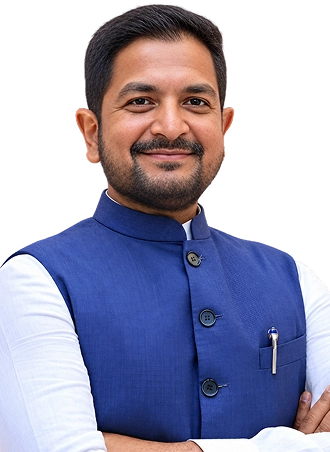
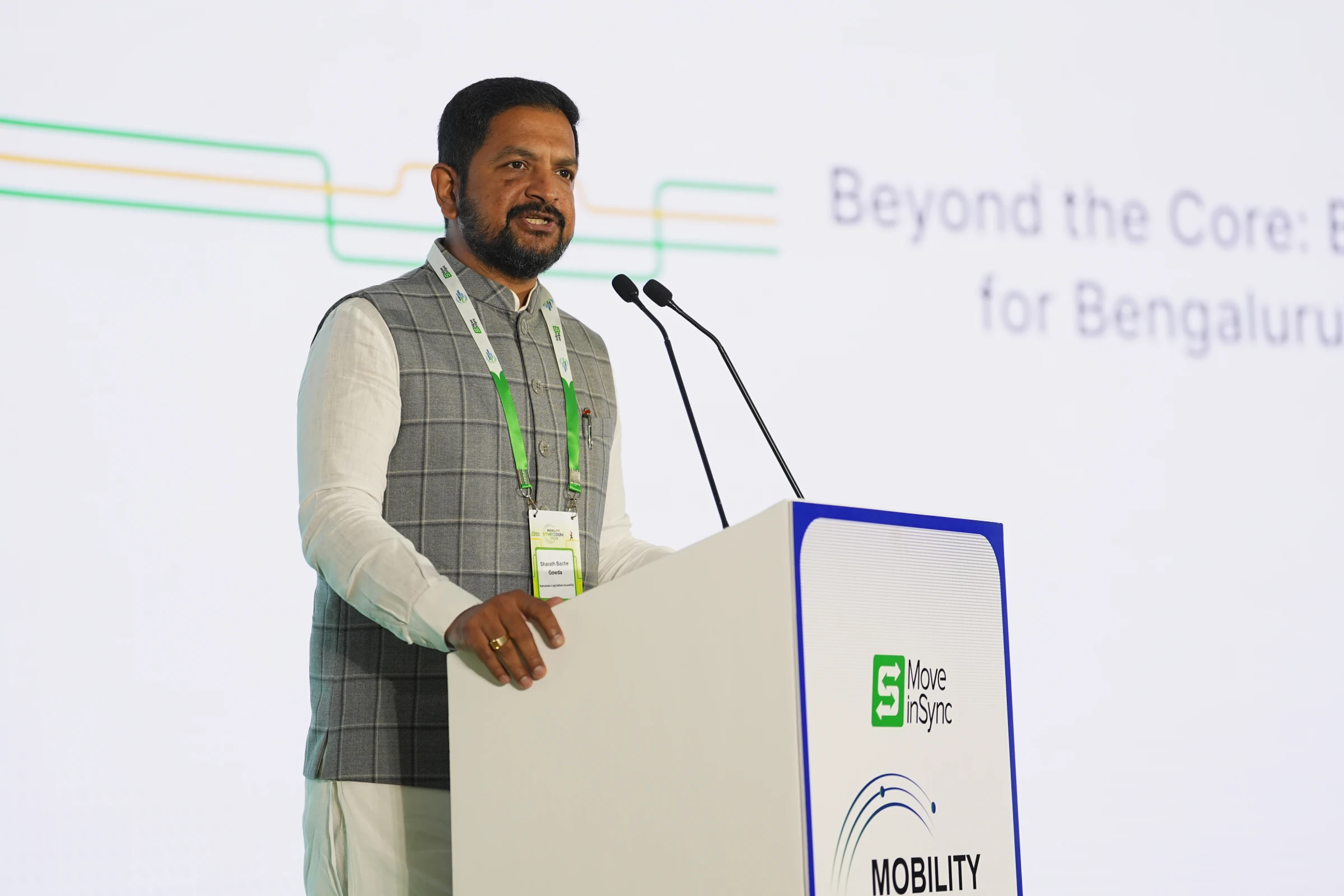
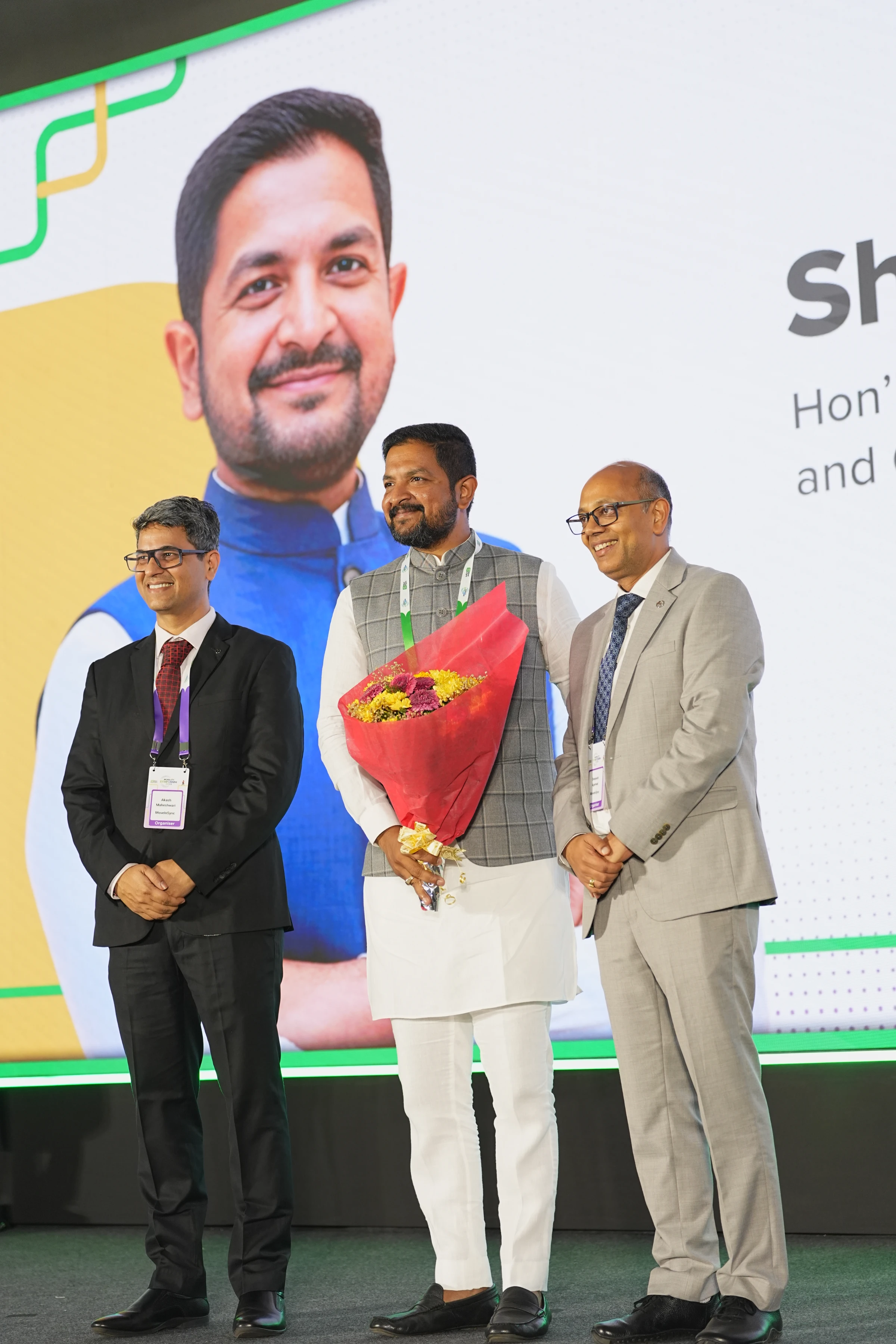
Sharath spoke for Bengaluru's fast-growing edges, where commuters pay up to ₹250 for the last 3 km from the bus stand to home. He called for the right to mobility to be treated as a fundamental right, and for satellite towns to get formal transport networks of their own.
Shri Sharath Kumar Bache Gowda
Hon'ble MLA (Hoskote) & Chairman, KEONICS
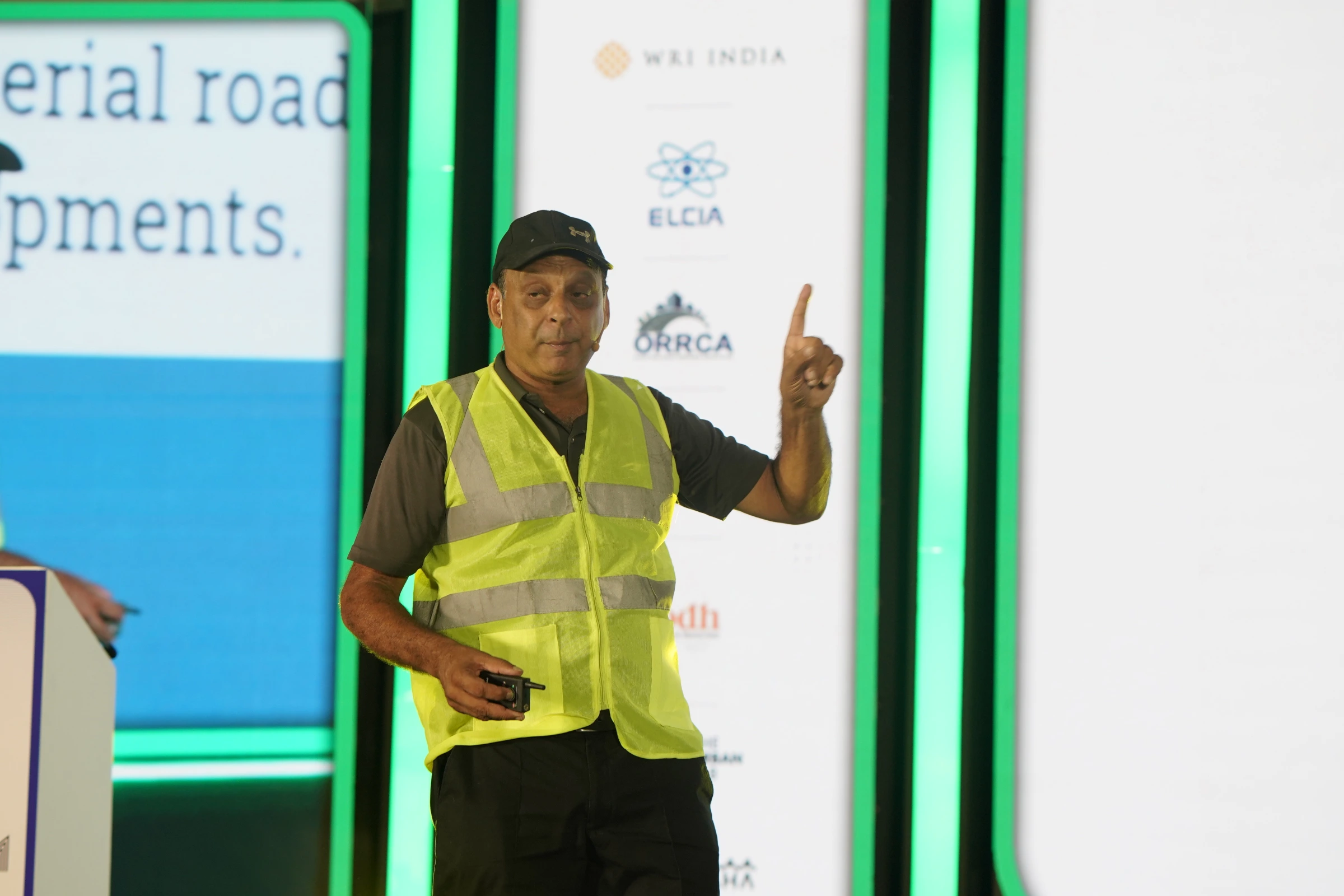
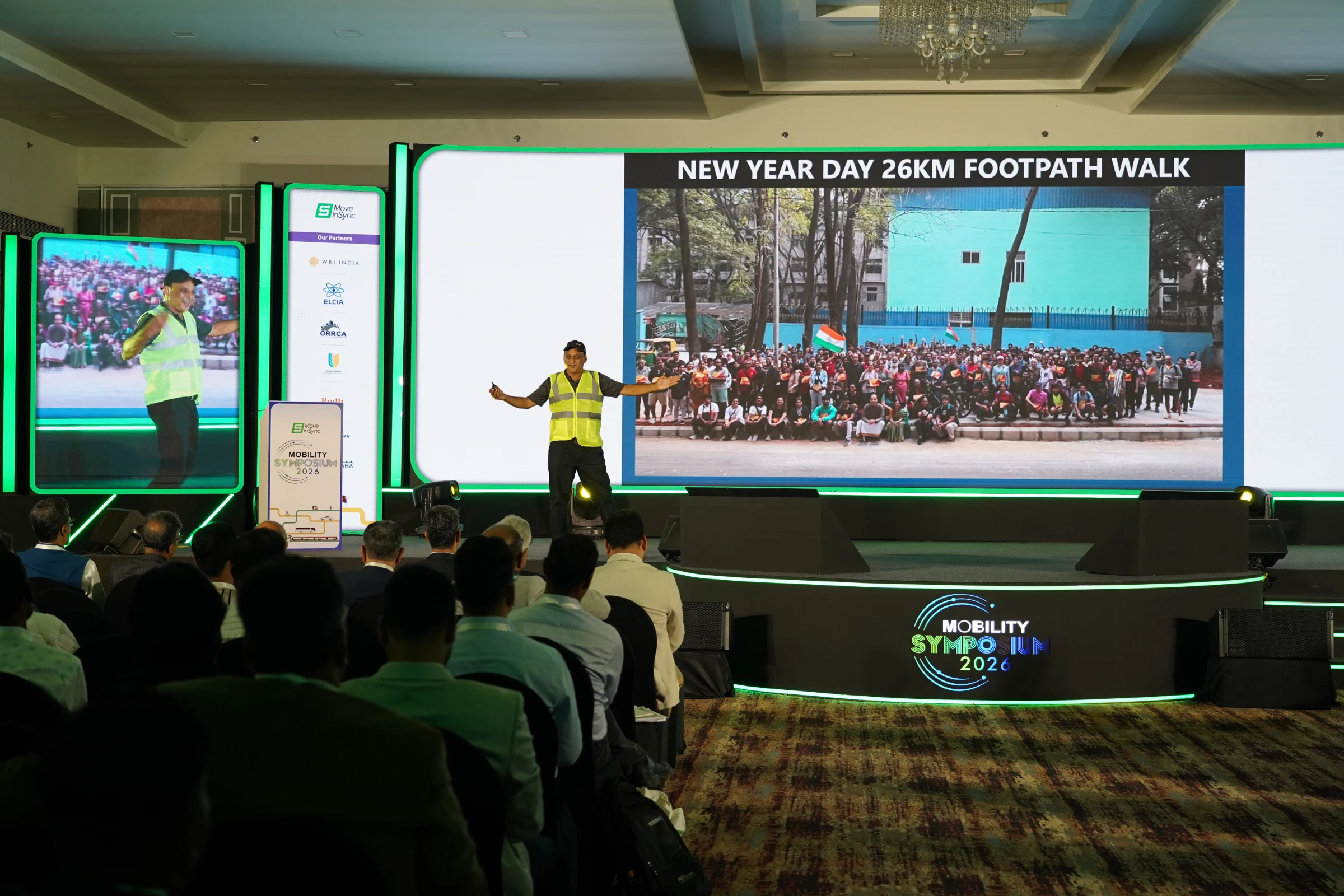
Arun showed how walkability went from a fringe idea to government policy in two years: Bengaluru's budget now says "pedestrian first", over 1,000 km of footpaths have been cleared, and citizens now sit in budget meetings. He closed with a pledge to walk 1,000 km of the city's footpaths with Deepesh.
Arun Pai
Founder, BangaloreWALKS & Coordinator, Walkaluru
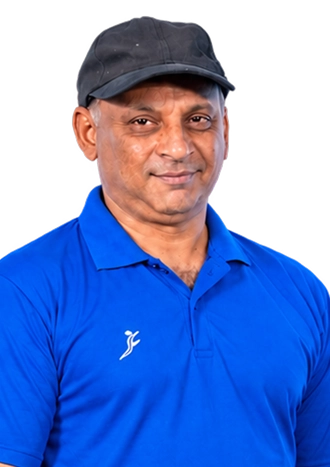
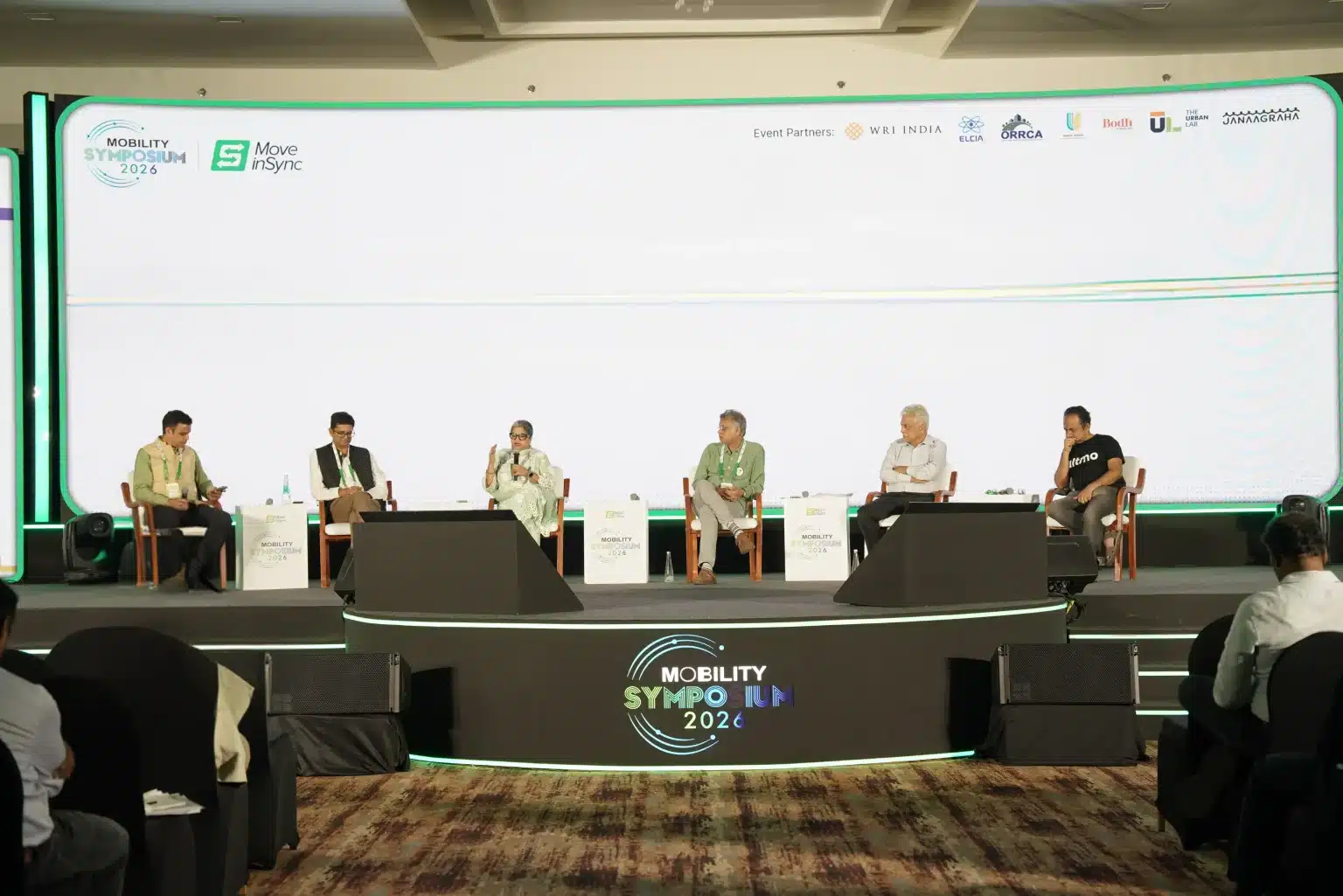
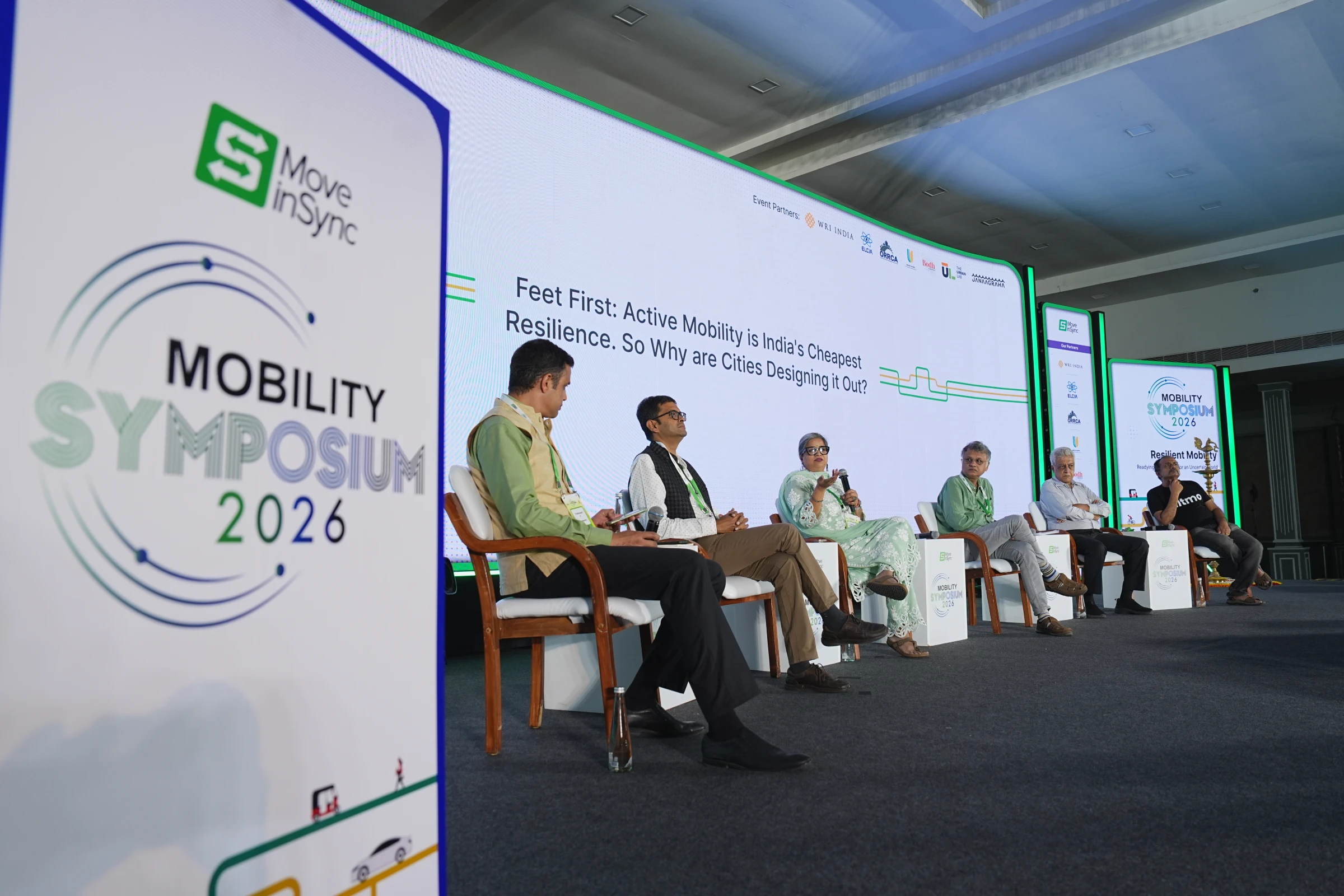
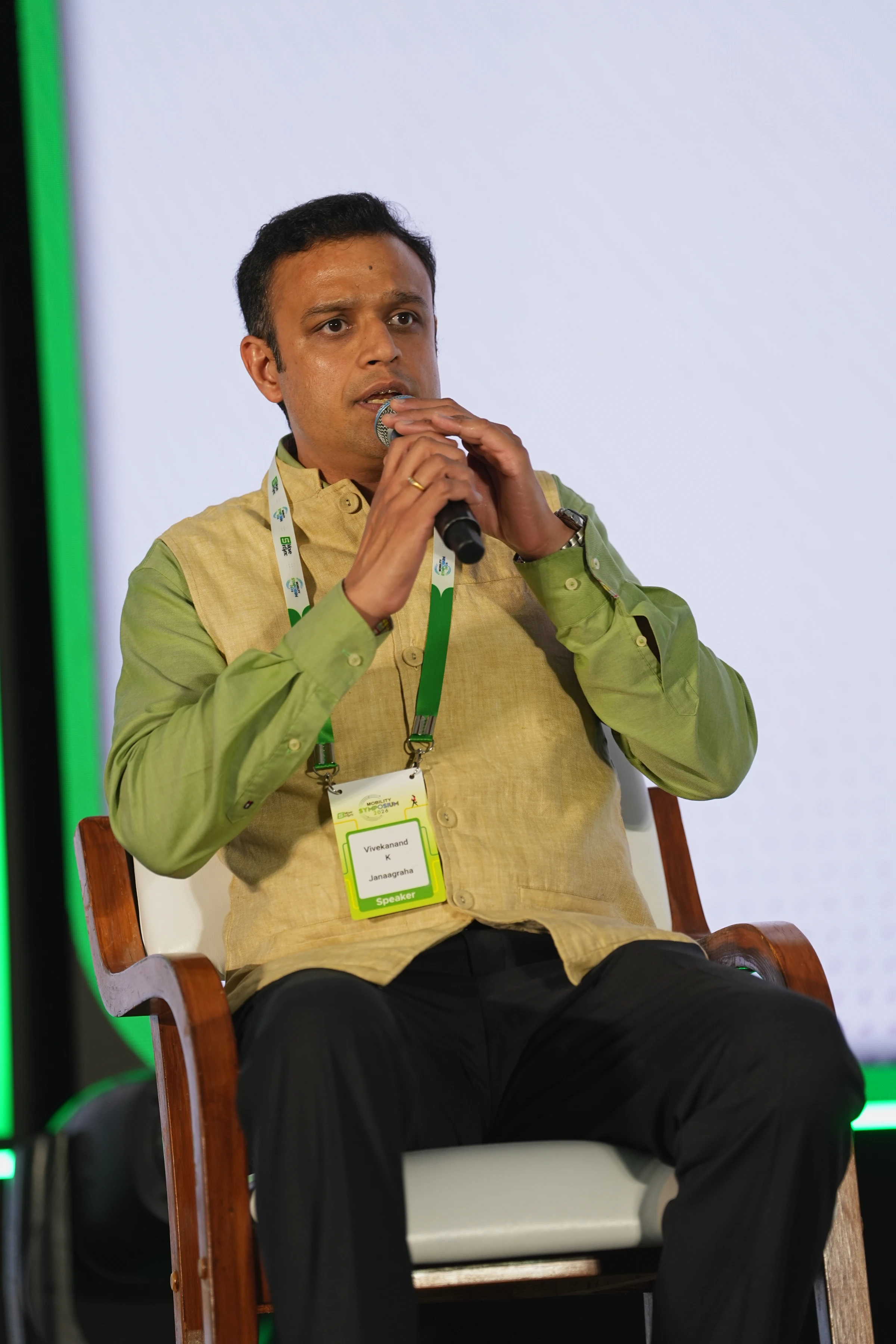
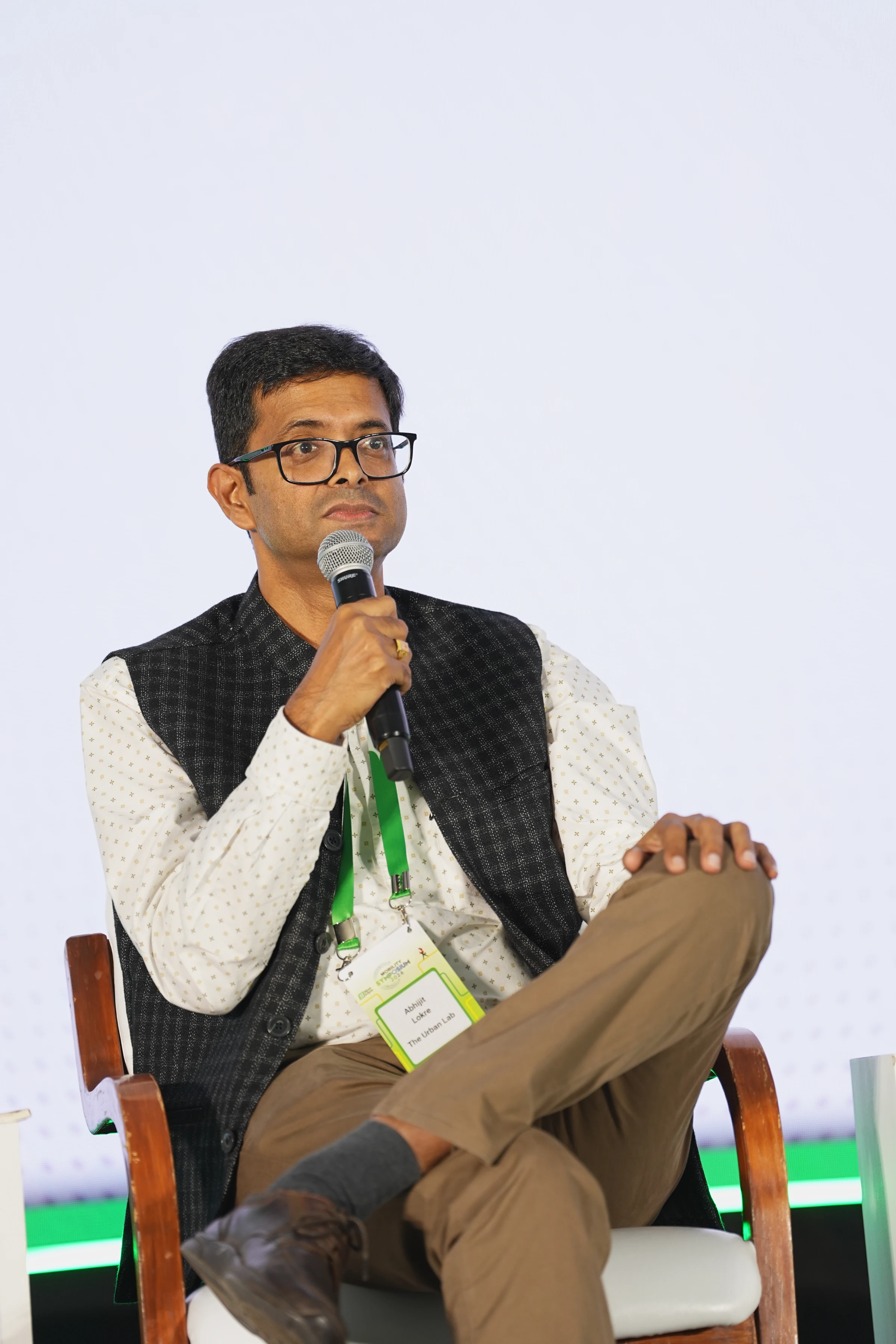
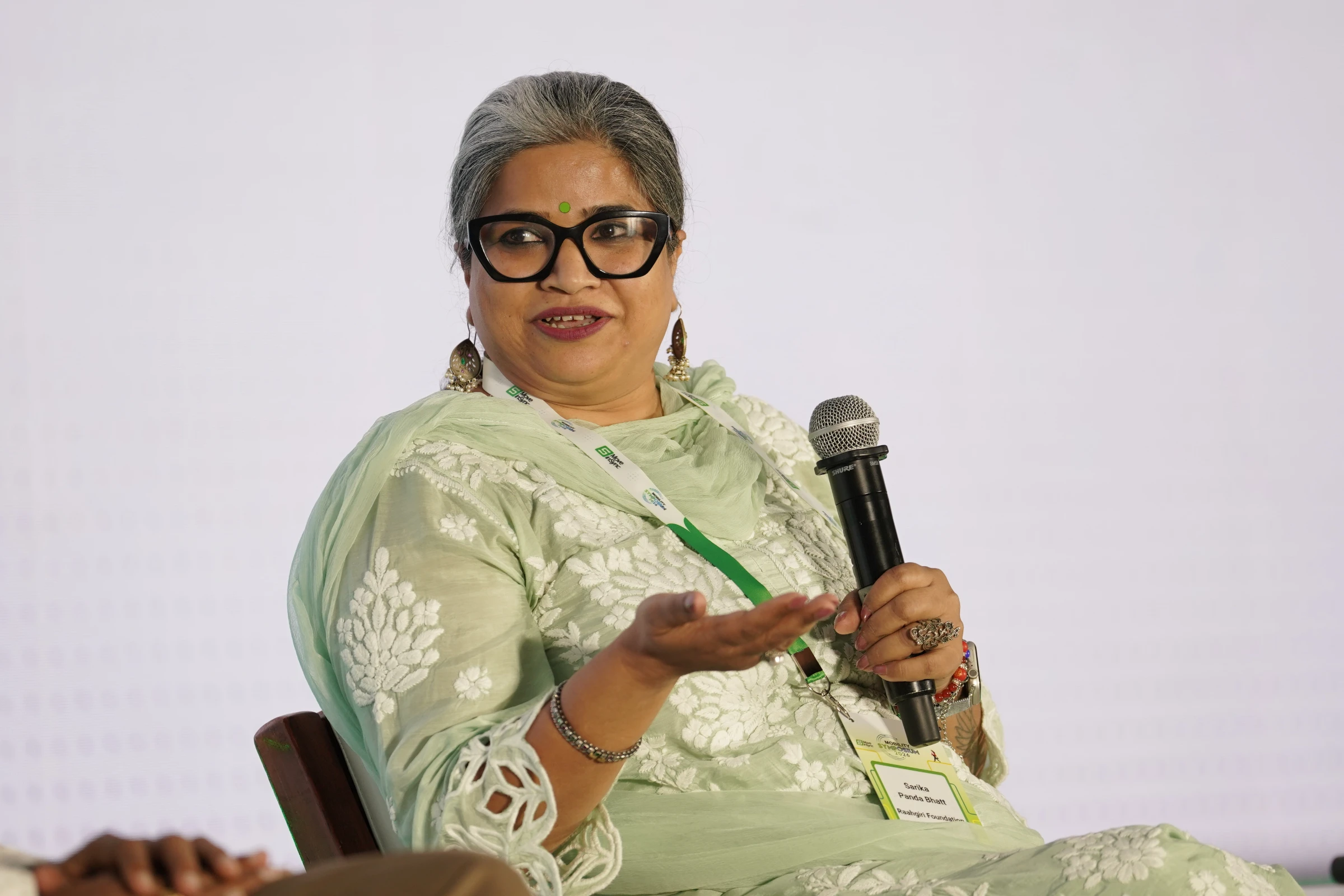
Moderated by Vivekanand (Janaagraha), the panel agreed the biggest gap is ownership: no single agency owns walkability. Speakers shared what works, from Church Street to Raahgiri's car-free days, and pointed to the Supreme Court's recognition of walking as a fundamental right.
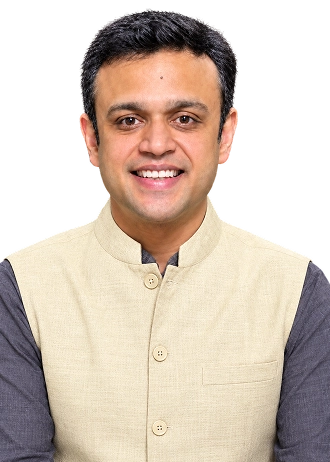
Vivekanand
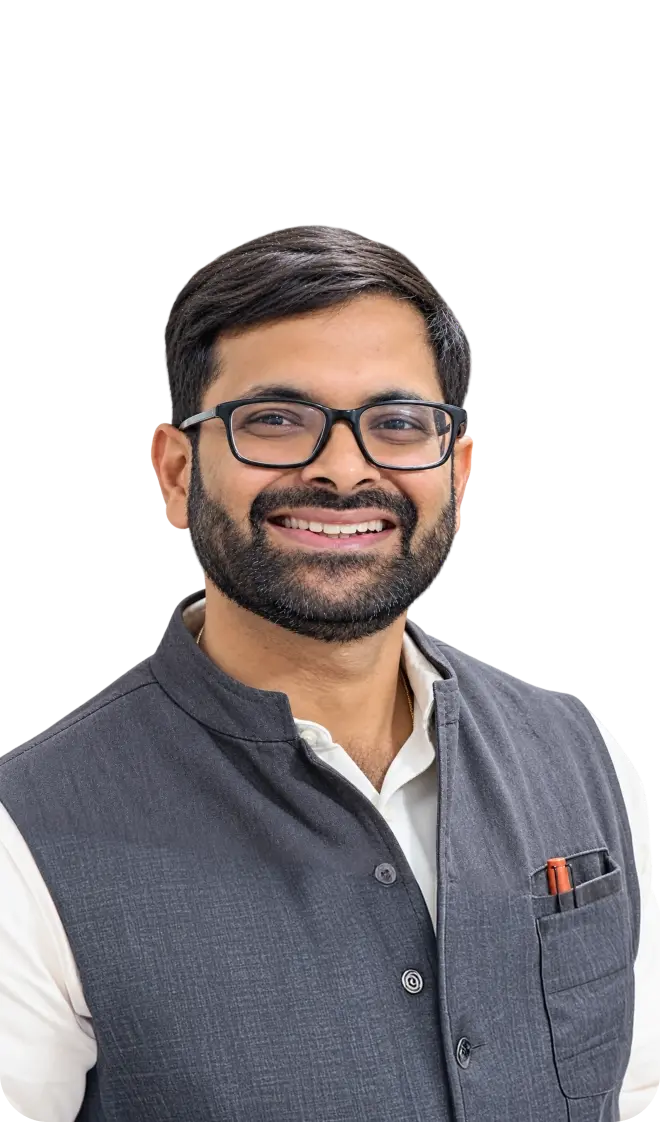
Abhijit Lokre
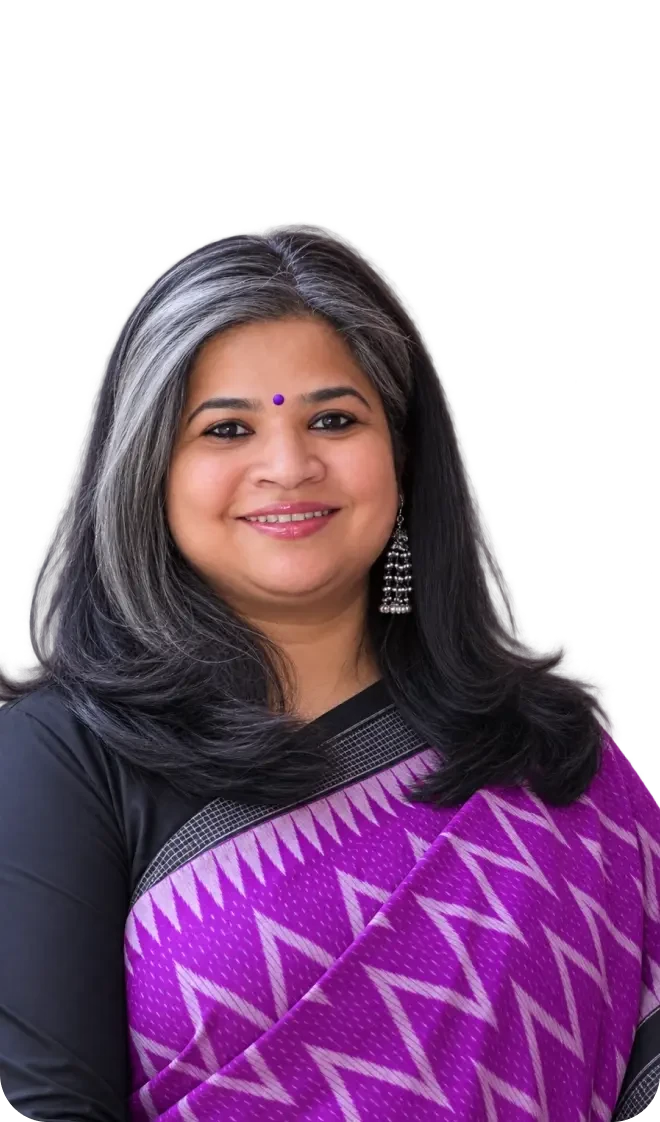
Sarika Panda Bhatt
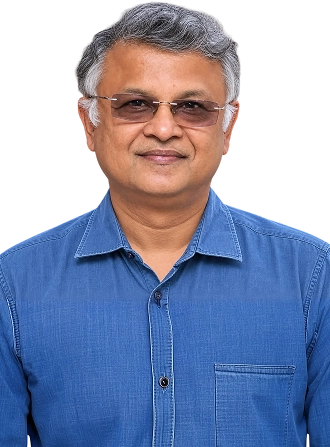
Rishi Aggarwal
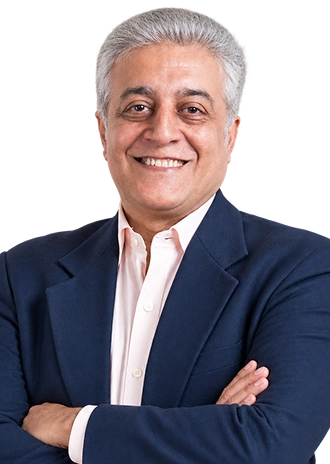
Naresh V Narasimhan
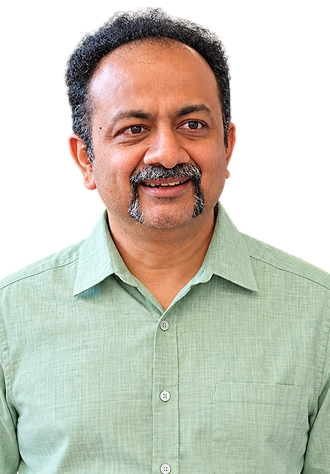
Sathyanarayanan Sankaran
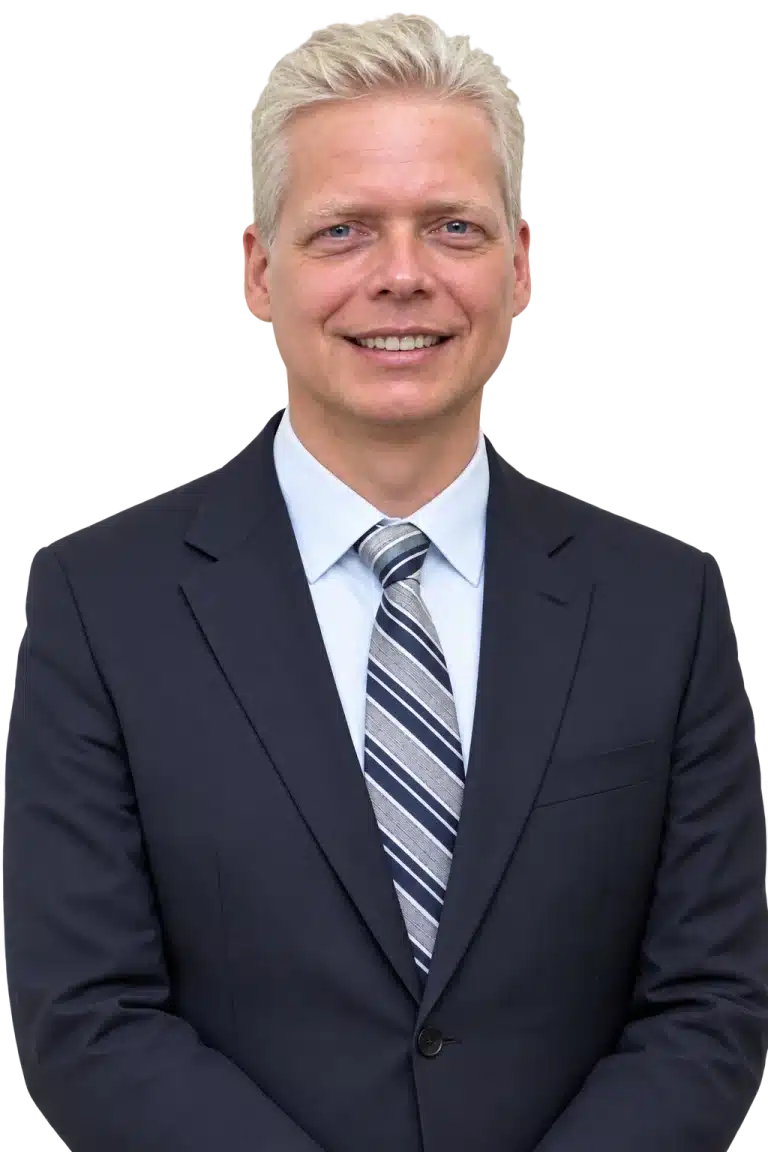
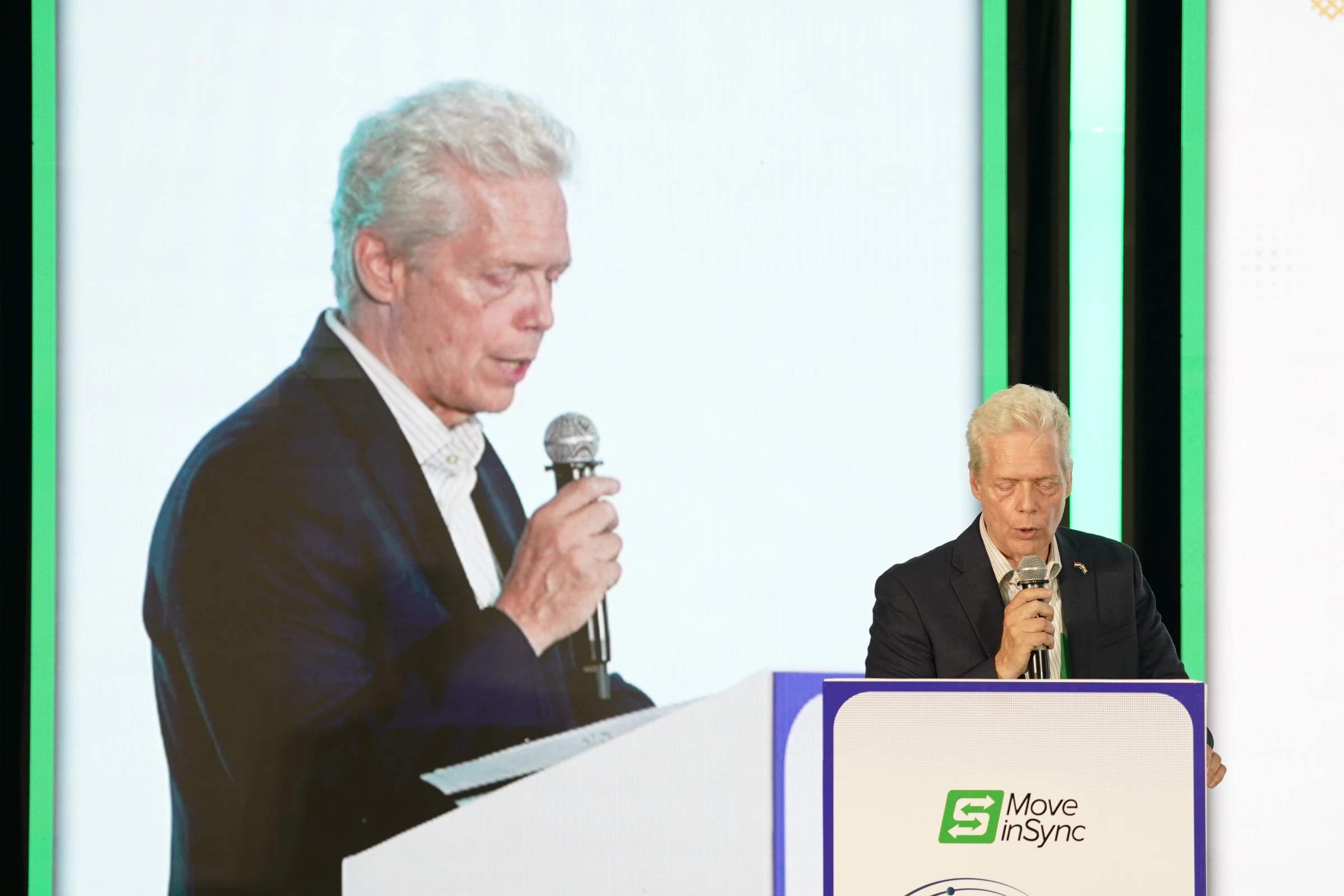
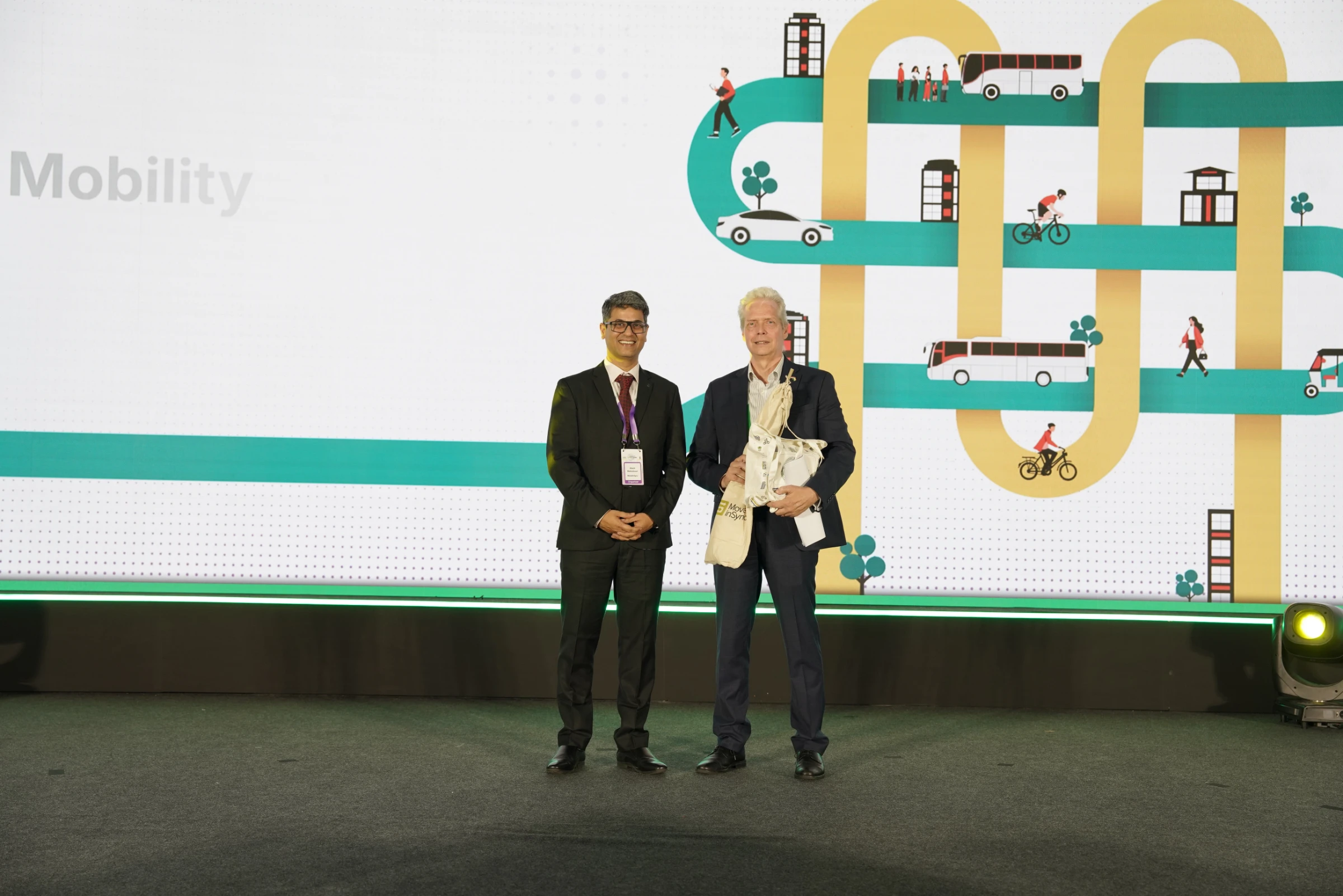
Jaap shared how the Netherlands, home to 18 million people and 24 million bicycles, moved away from car-first planning in the 1970s. His advice for Bengaluru: don't start with a master plan, start with one journey, like a child reaching school.
Jacobus Johannes (Jaap) Veerman
Consul General, Kingdom of the Netherlands
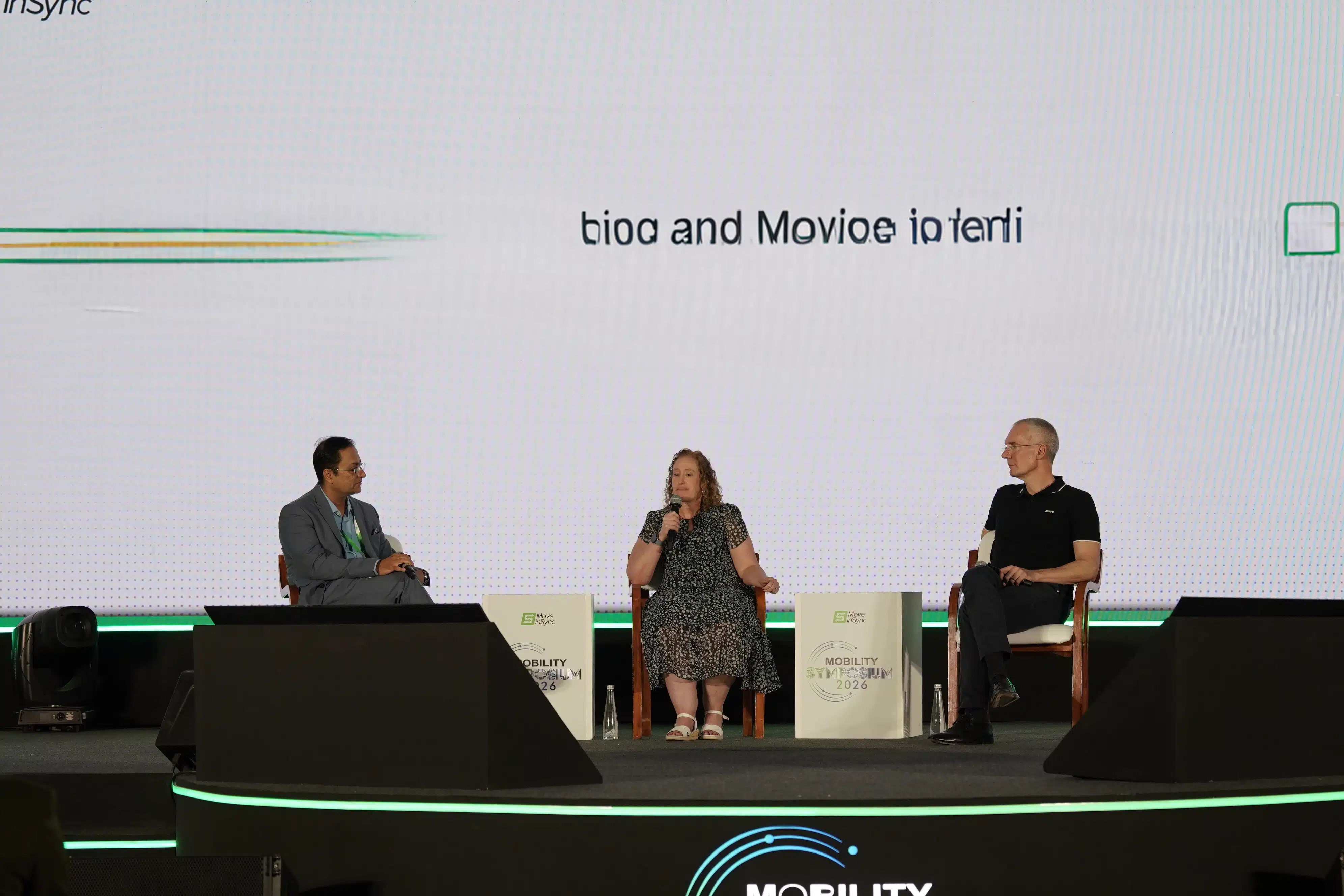
Moderated by Mohit Mohan (MOAR Advisory), GCC leaders shared how the commute now shapes hiring and office attendance. Novo Nordisk chose offices near the metro and grew a cycle-to-work programme, while ANZ is finding ways to spread attendance beyond the Tuesday to Thursday peak.
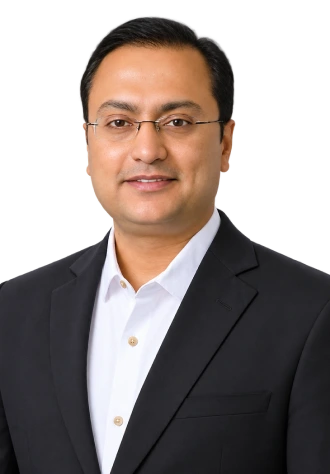
Mohit Mohan (Moderator)
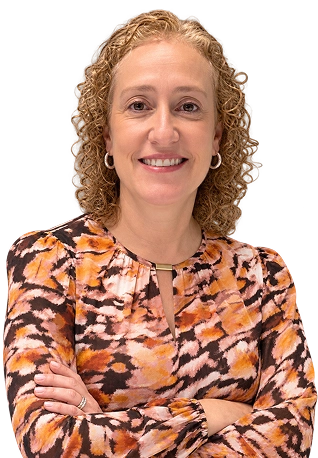
Jacqueline Labib
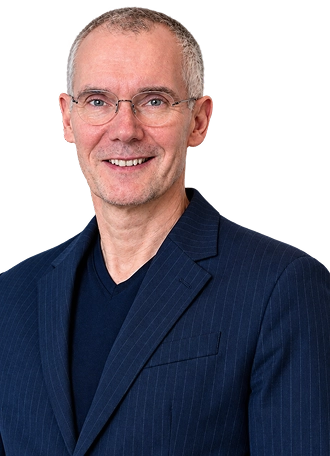
John Dawber
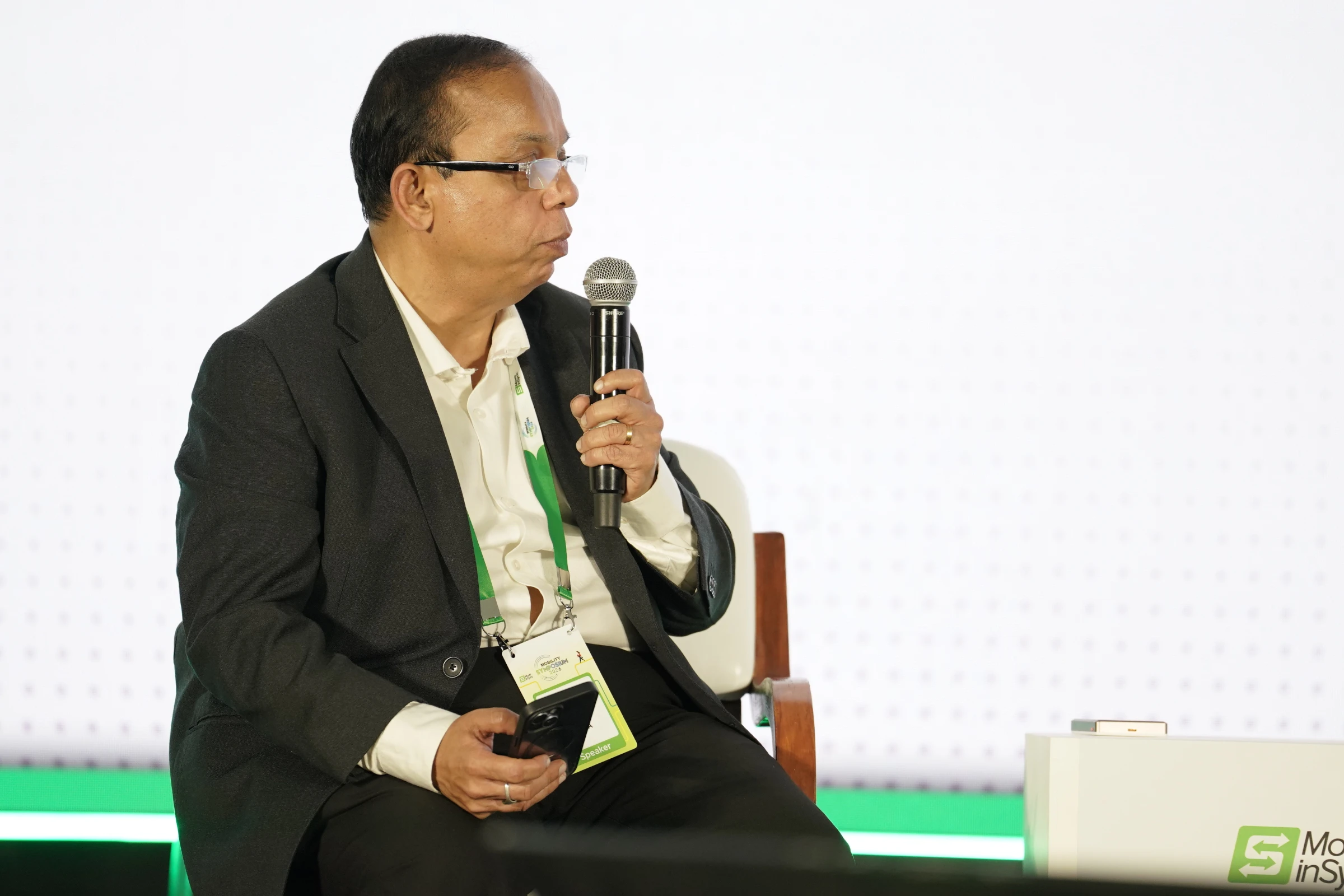
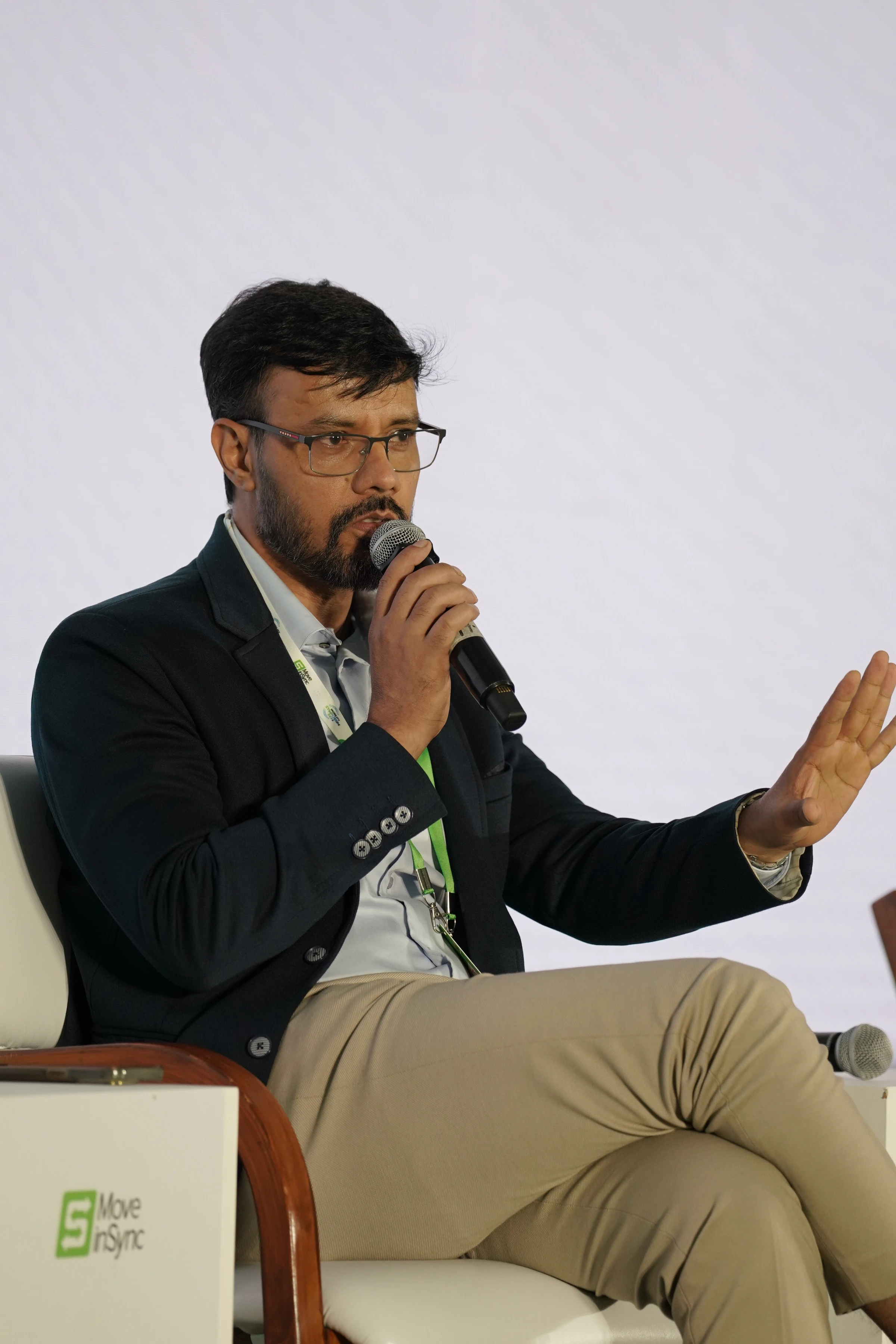
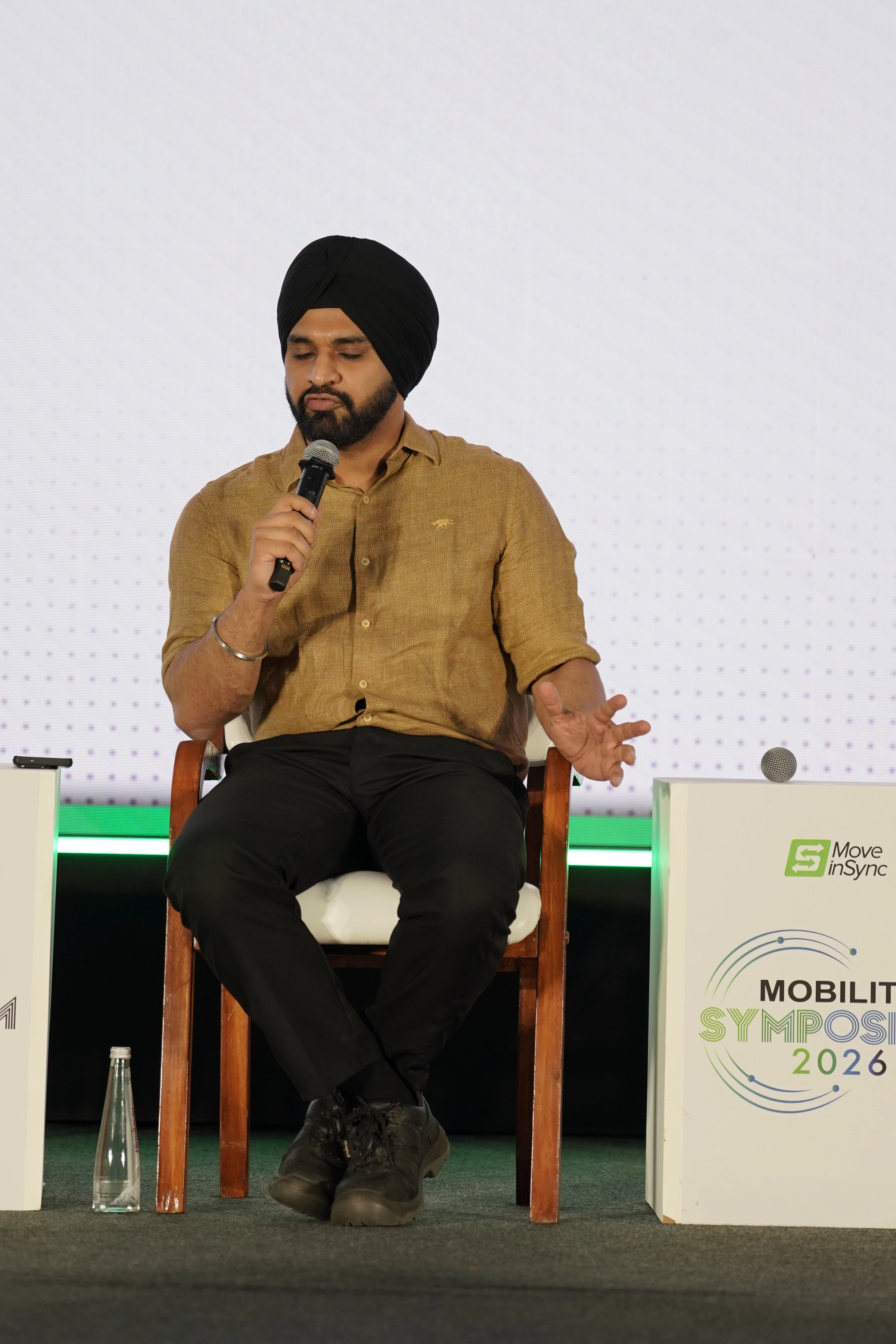
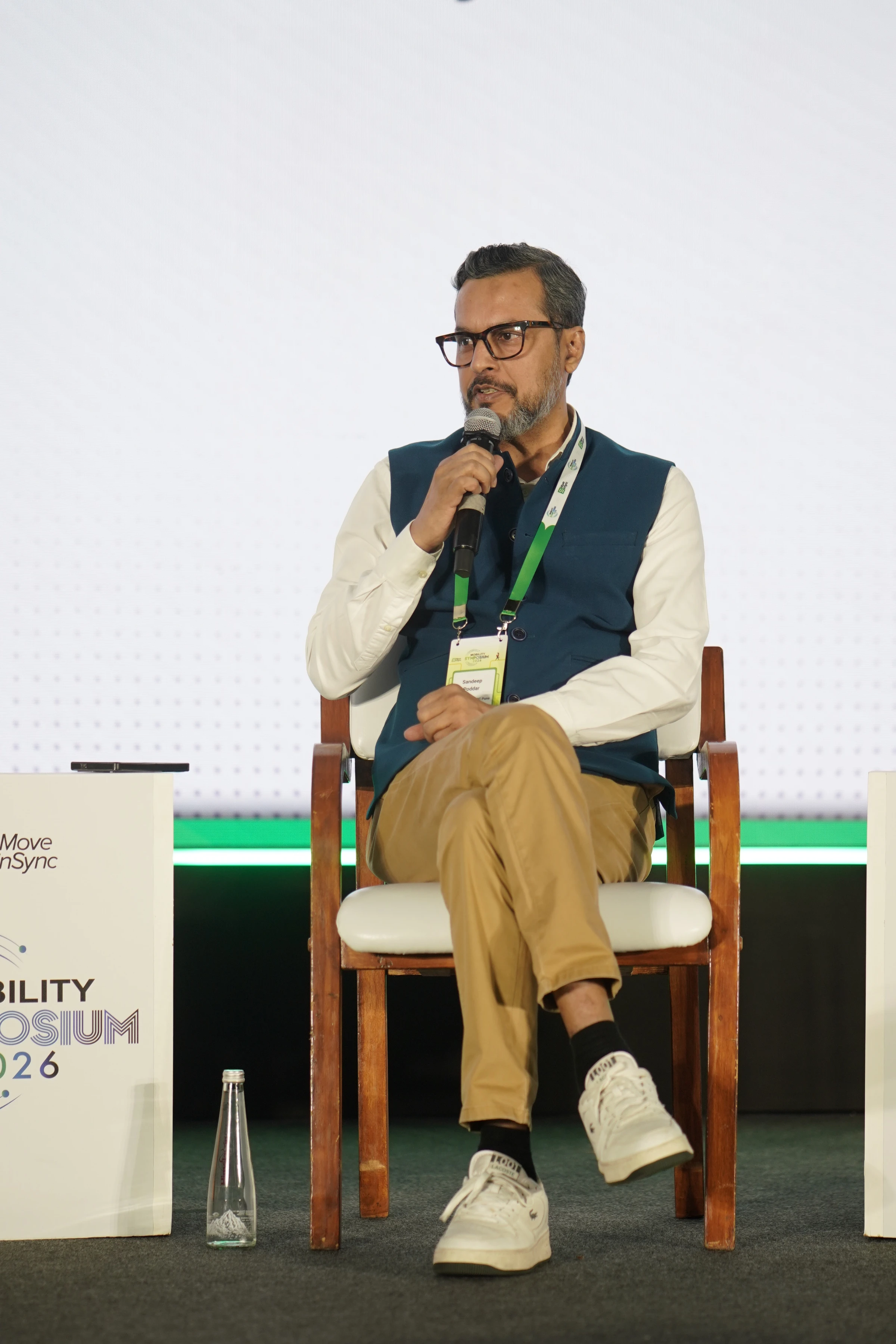
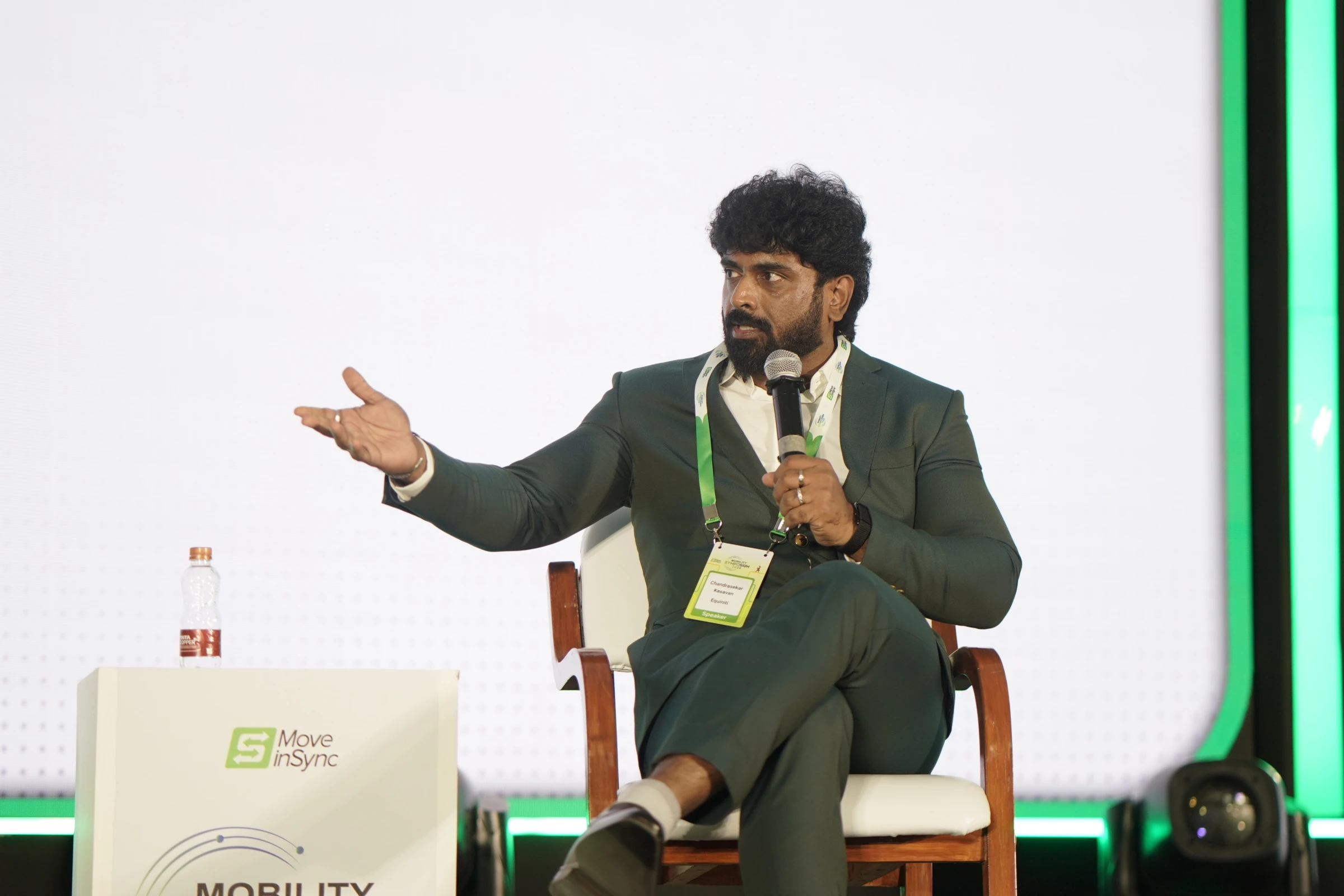
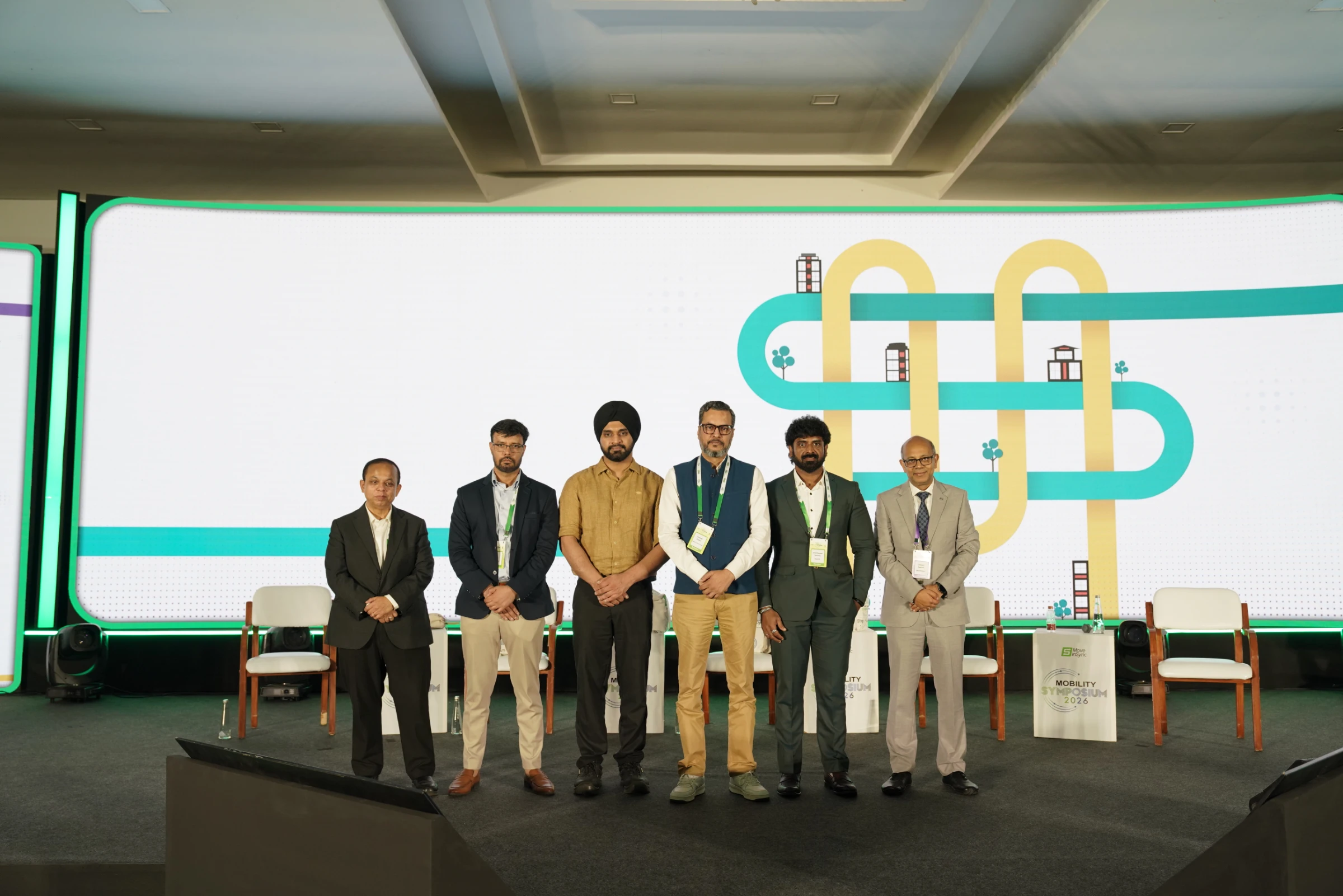
Moderated by Manas Das (Intel India & ORRCA), the panel argued that mobility should be on the checklist from the day a company chooses an office. In manufacturing, safe transport across night shifts helped raise women's share of the workforce from 5% to 45%.
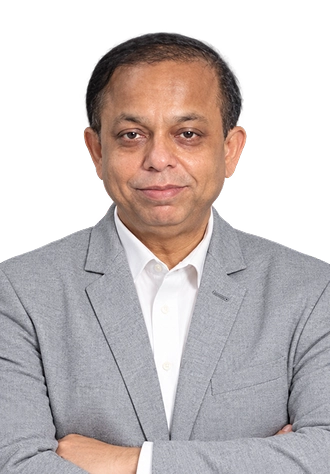
Manas Das
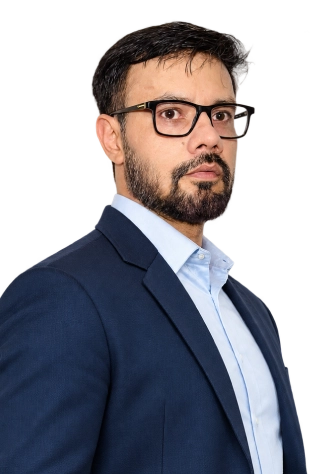
Pankaj Kaushik
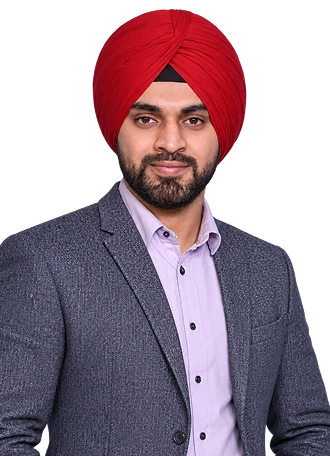
Manjot Singh
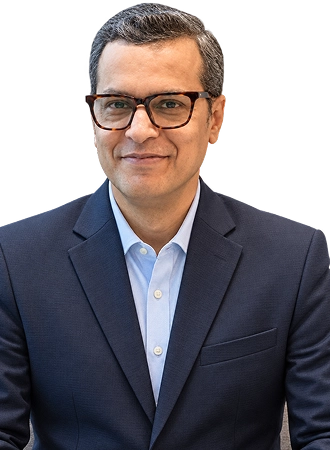
Sandeep Poddar
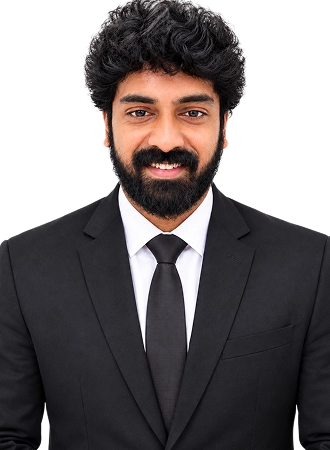
Chandrasekar Kesavan
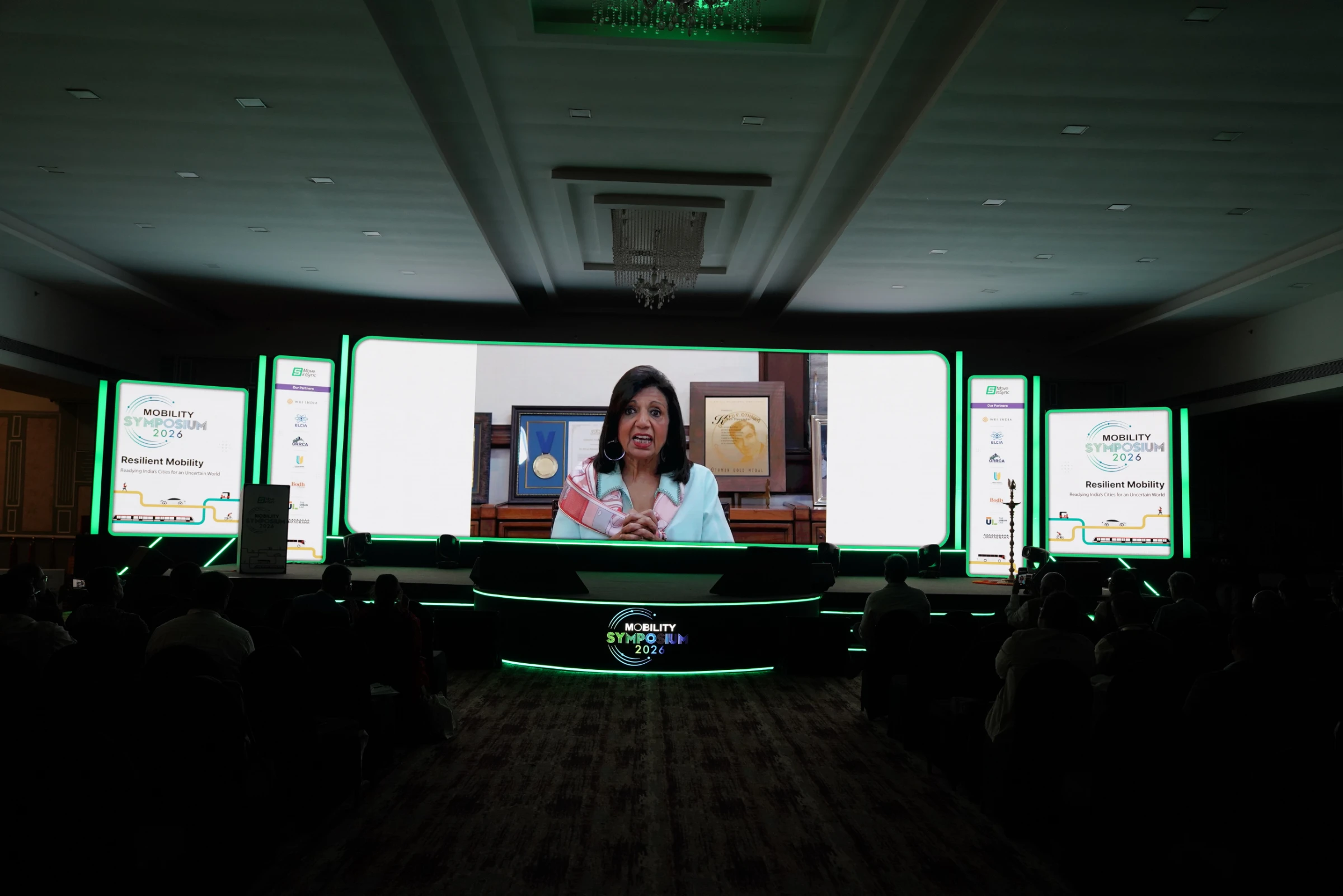
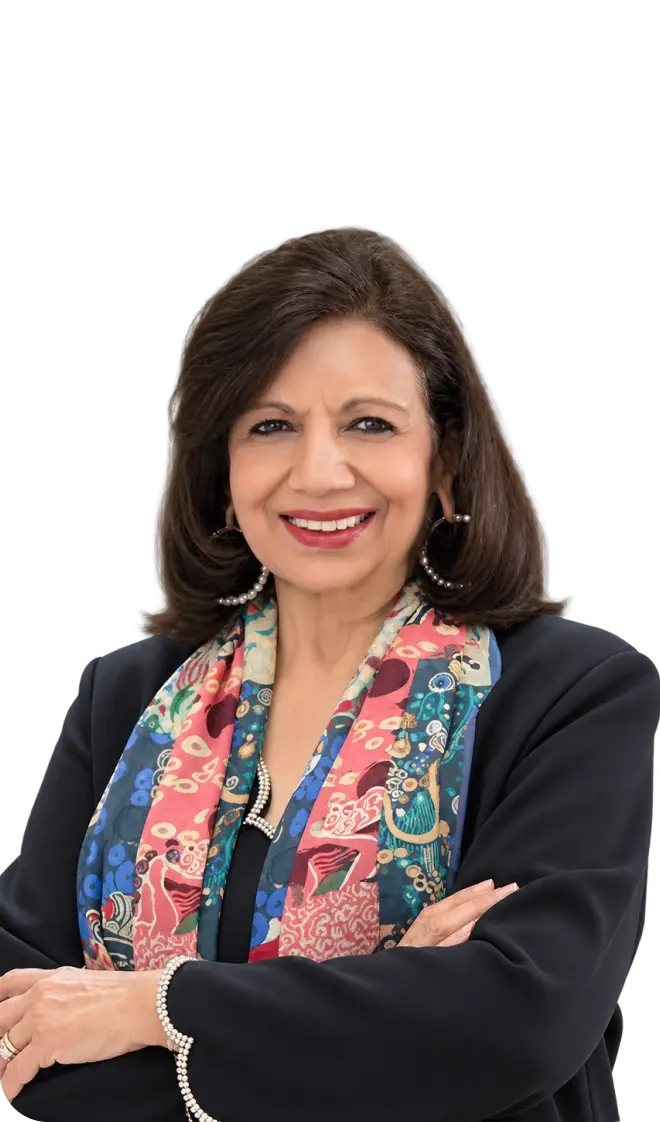
Dr. Mazumdar-Shaw warned that when a city can no longer move its workforce, the problem becomes economic. Congestion cost Bengaluru nearly ₹1,200 crore in a single year. She called on government to build climate-resilient transport, industry to partner, and citizens to take civic responsibility.
Dr. Kiran Mazumdar-Shaw
Founder & Chairperson, Biocon
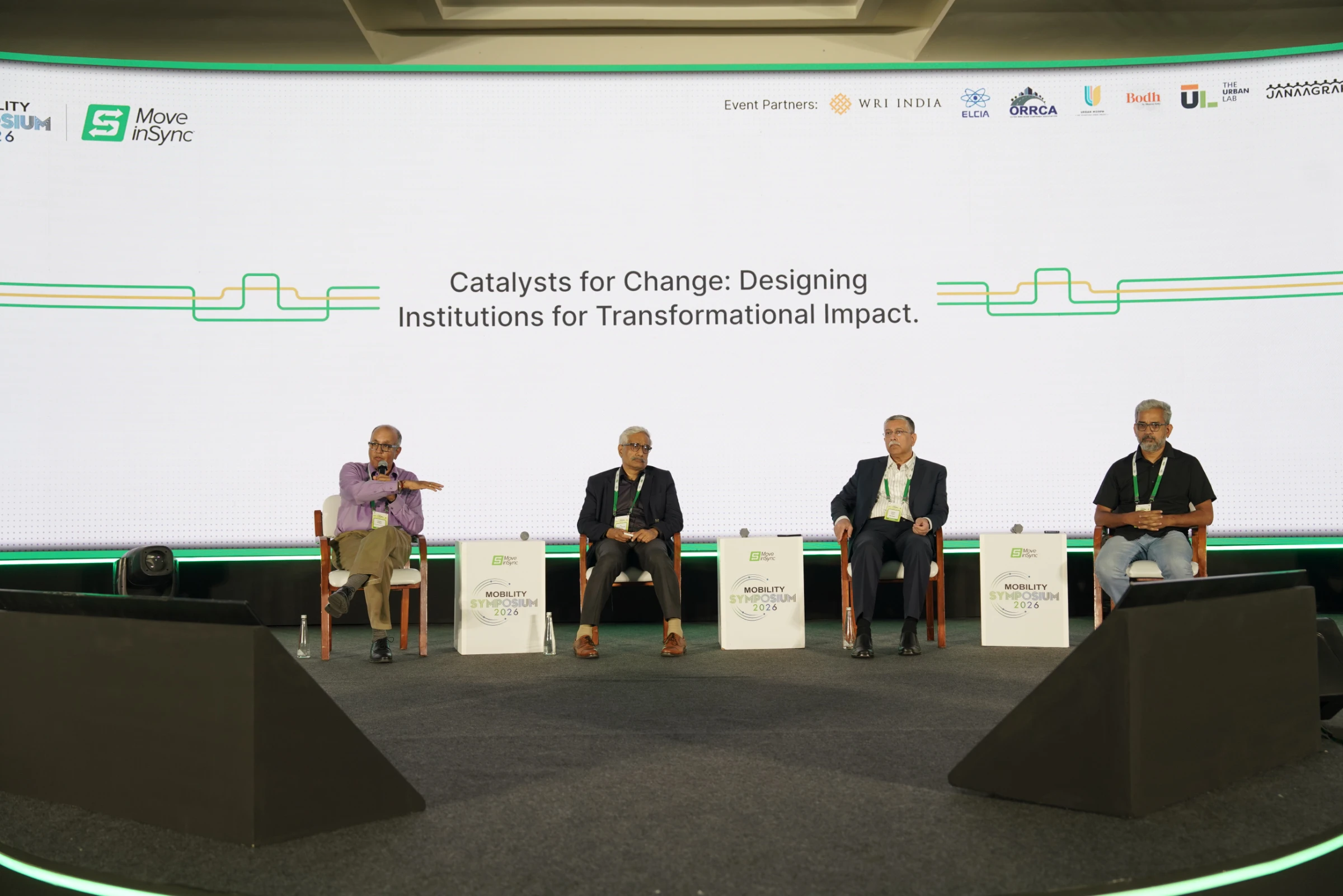
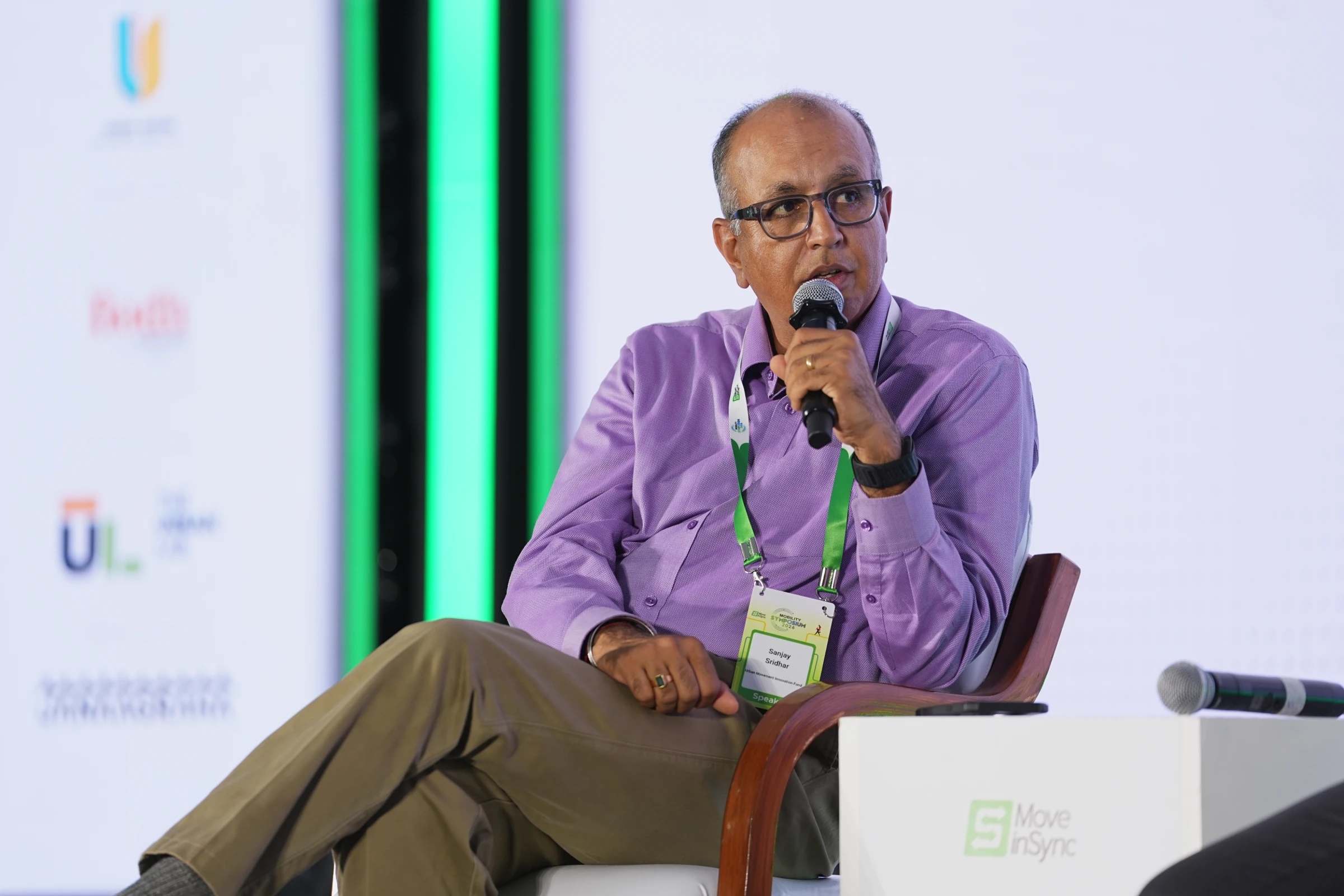
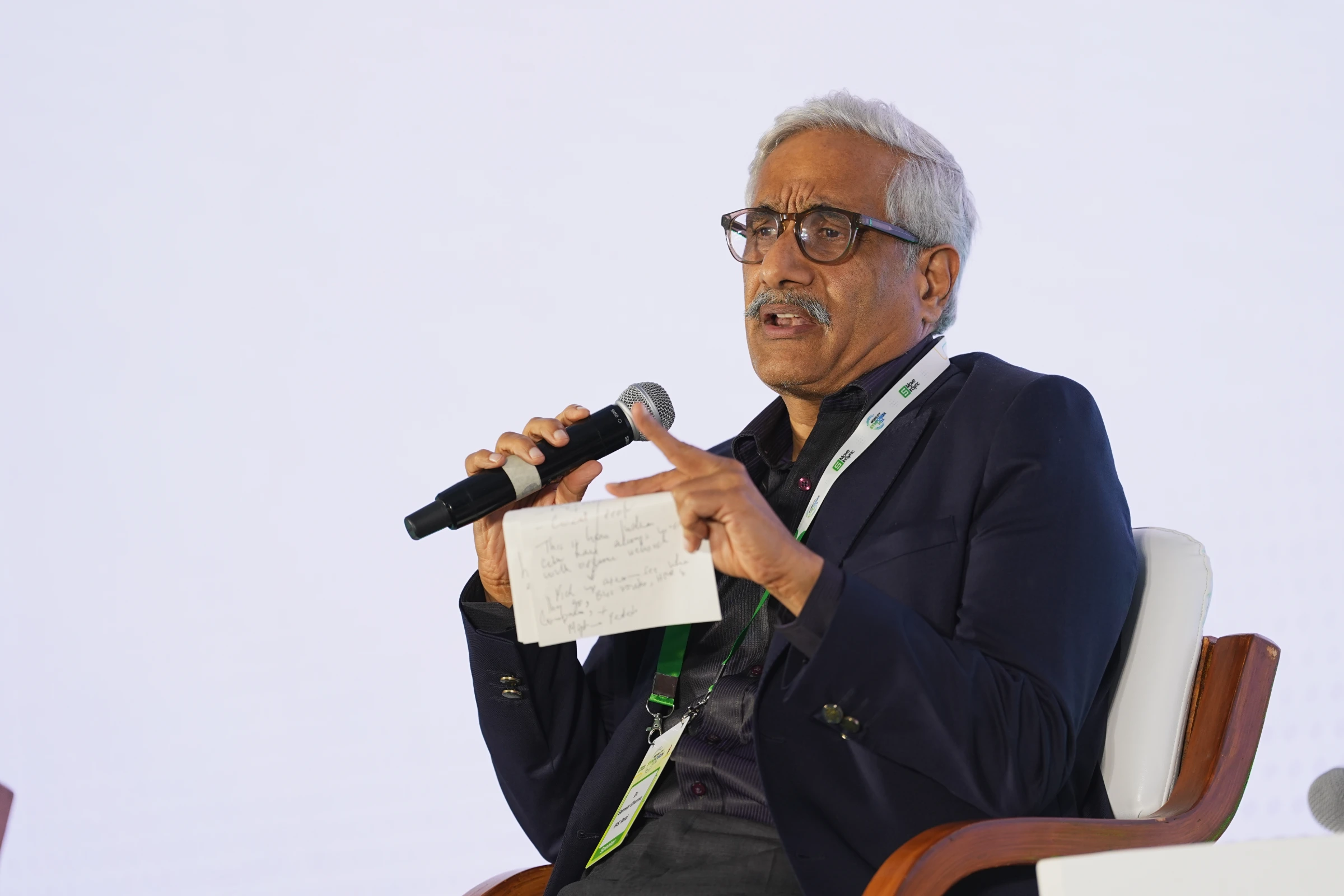
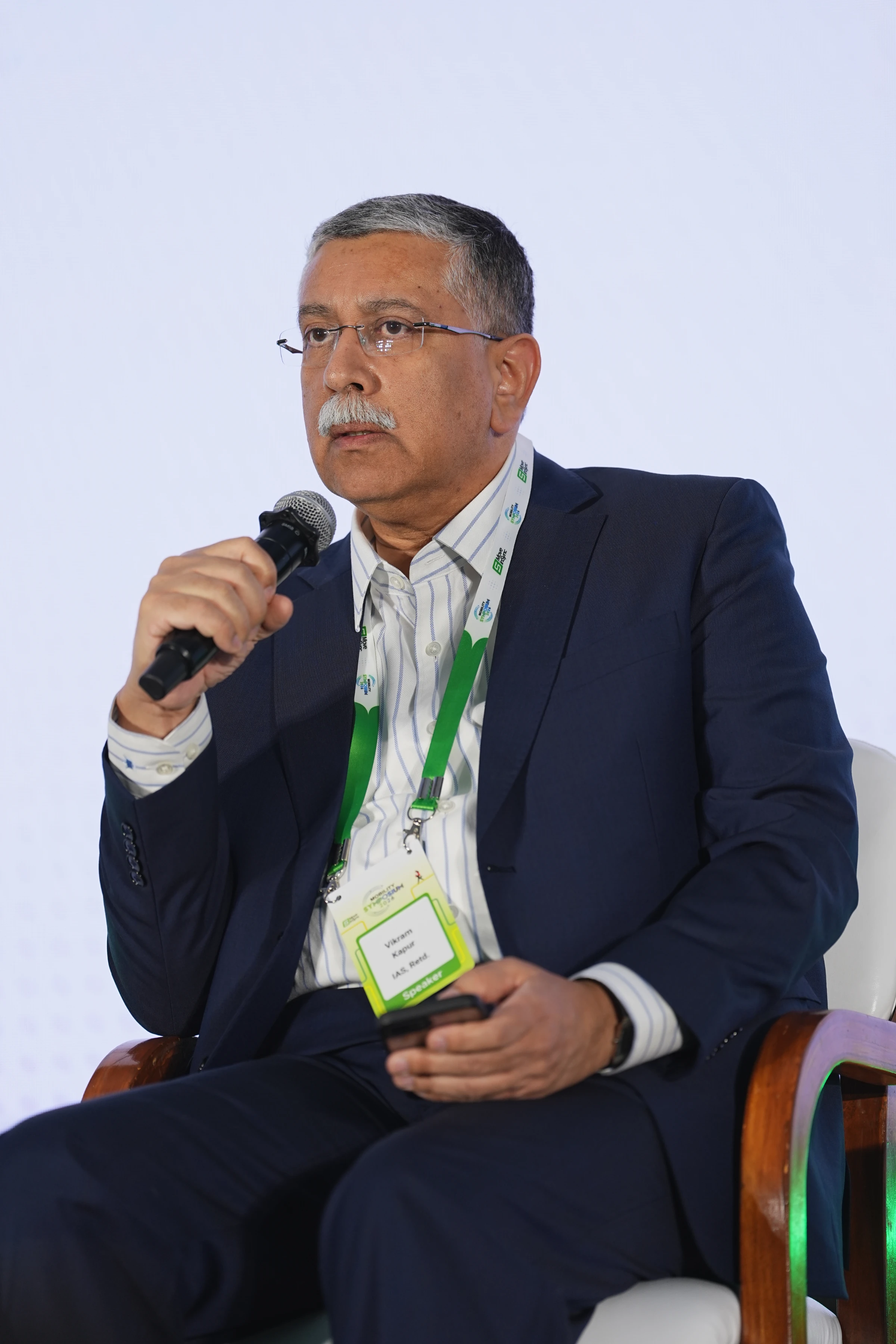
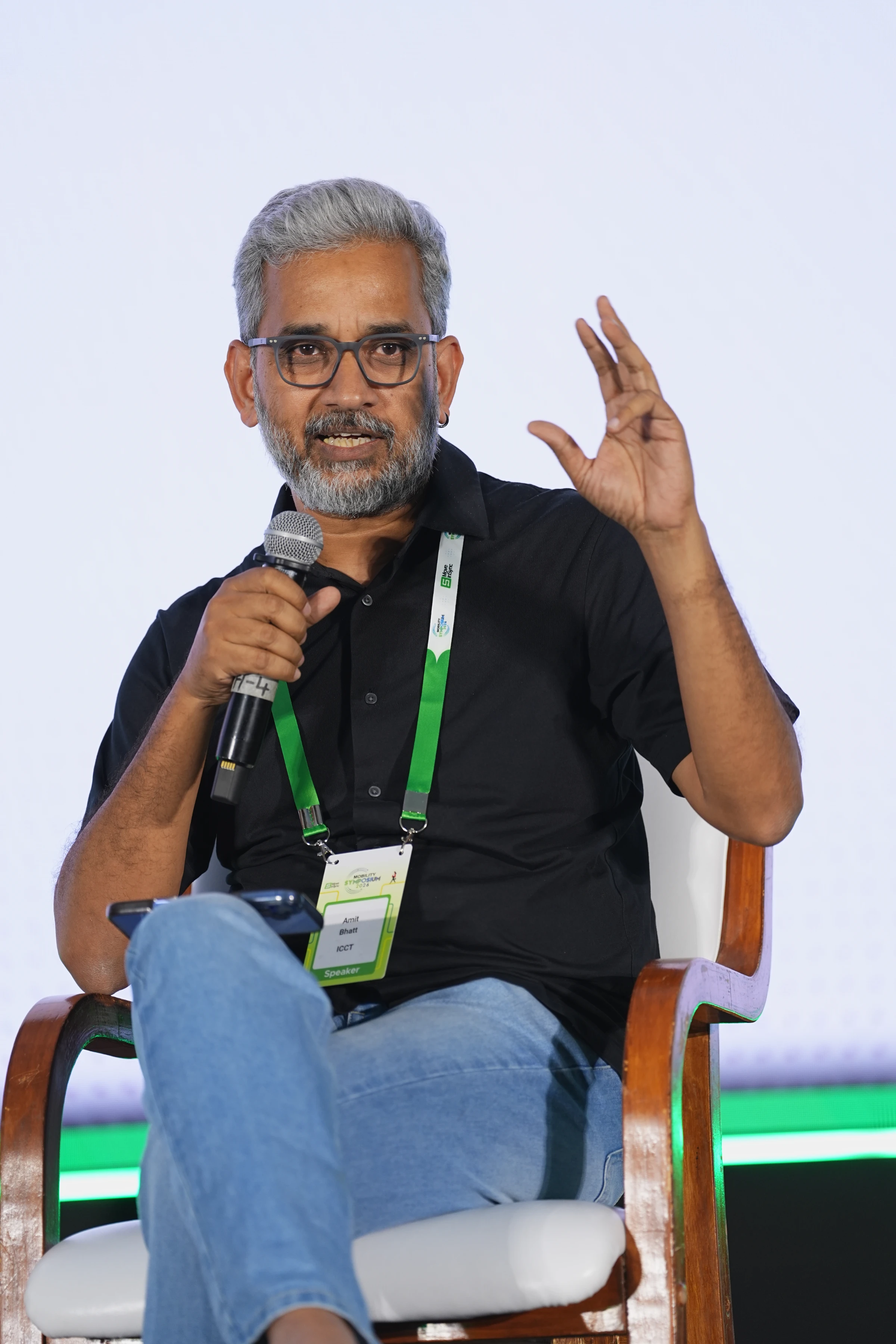
Moderated by Sanjay Sridhar (Urban Movement Innovation Fund), the panel found that integrated mobility keeps stalling because no one owns it. Up to 28 institutions touch transport in a city, and Chennai's public transport target has slipped from 70% to 50%. The fix: empowered transport authorities and real city governments.
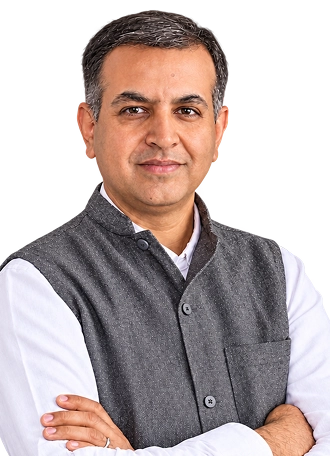
Sanjay Sridhar
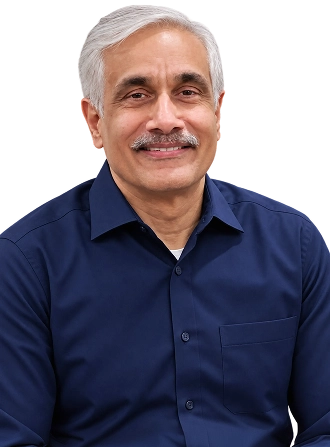
Dr. Sameer Sharma
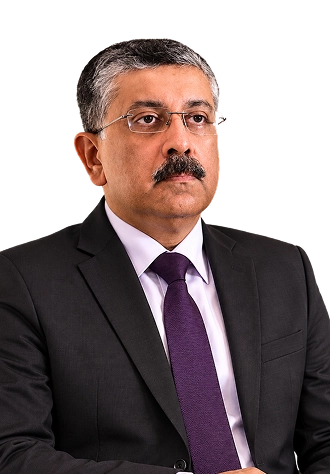
Vikram Kapur
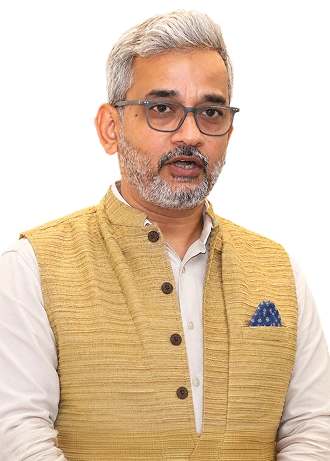
Amit Bhatt
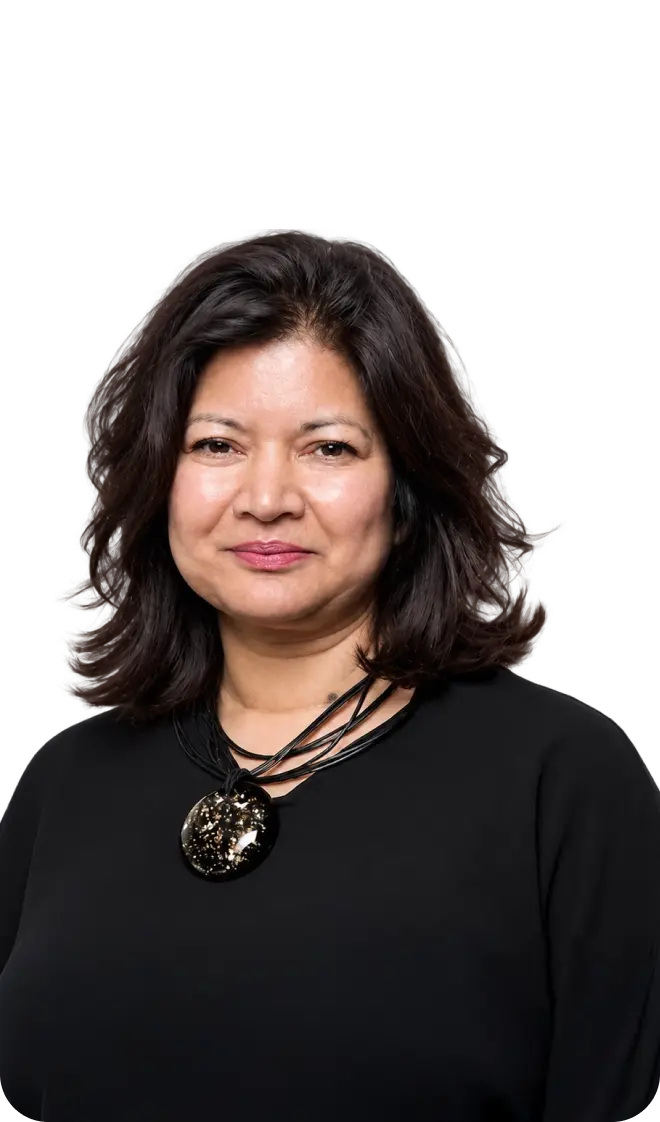
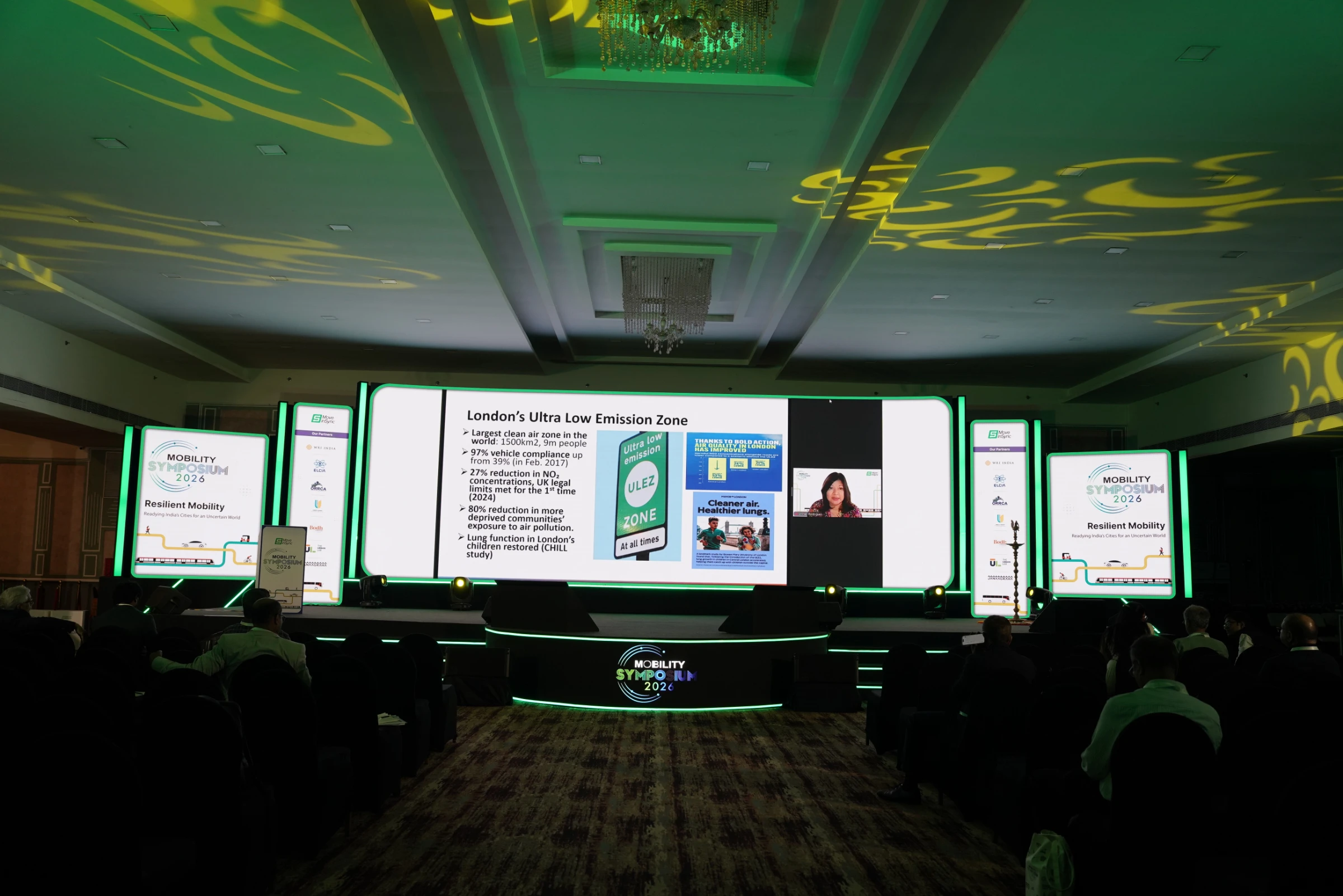
Shirley shared how London built support for the world's largest clean air zone by pairing it with real alternatives, from new bus routes to a cycle network four times larger. Within nine months, more Londoners supported it than opposed it.
Shirley Rodrigues
Former Deputy Mayor for Environment & Energy, Greater London Authority
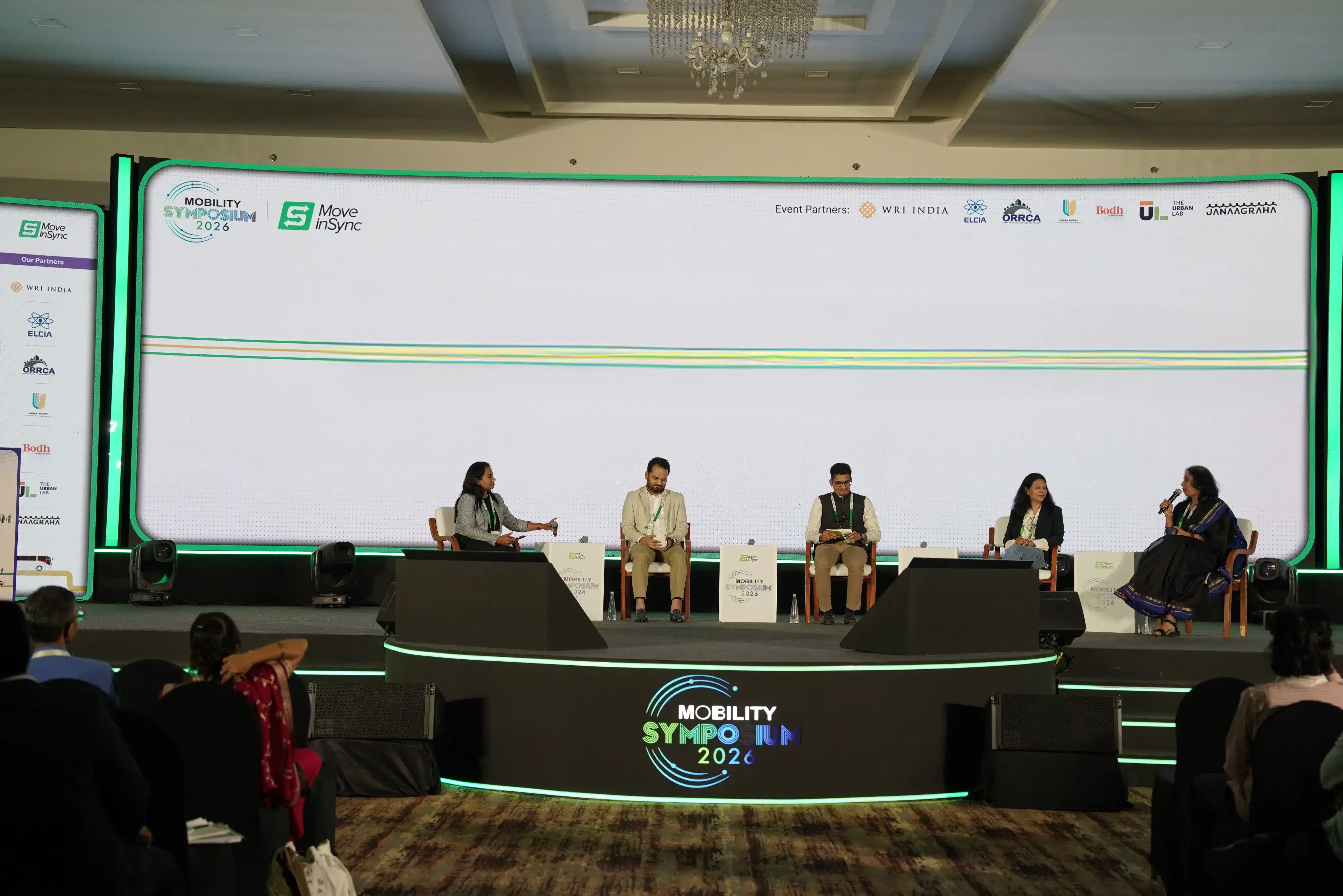
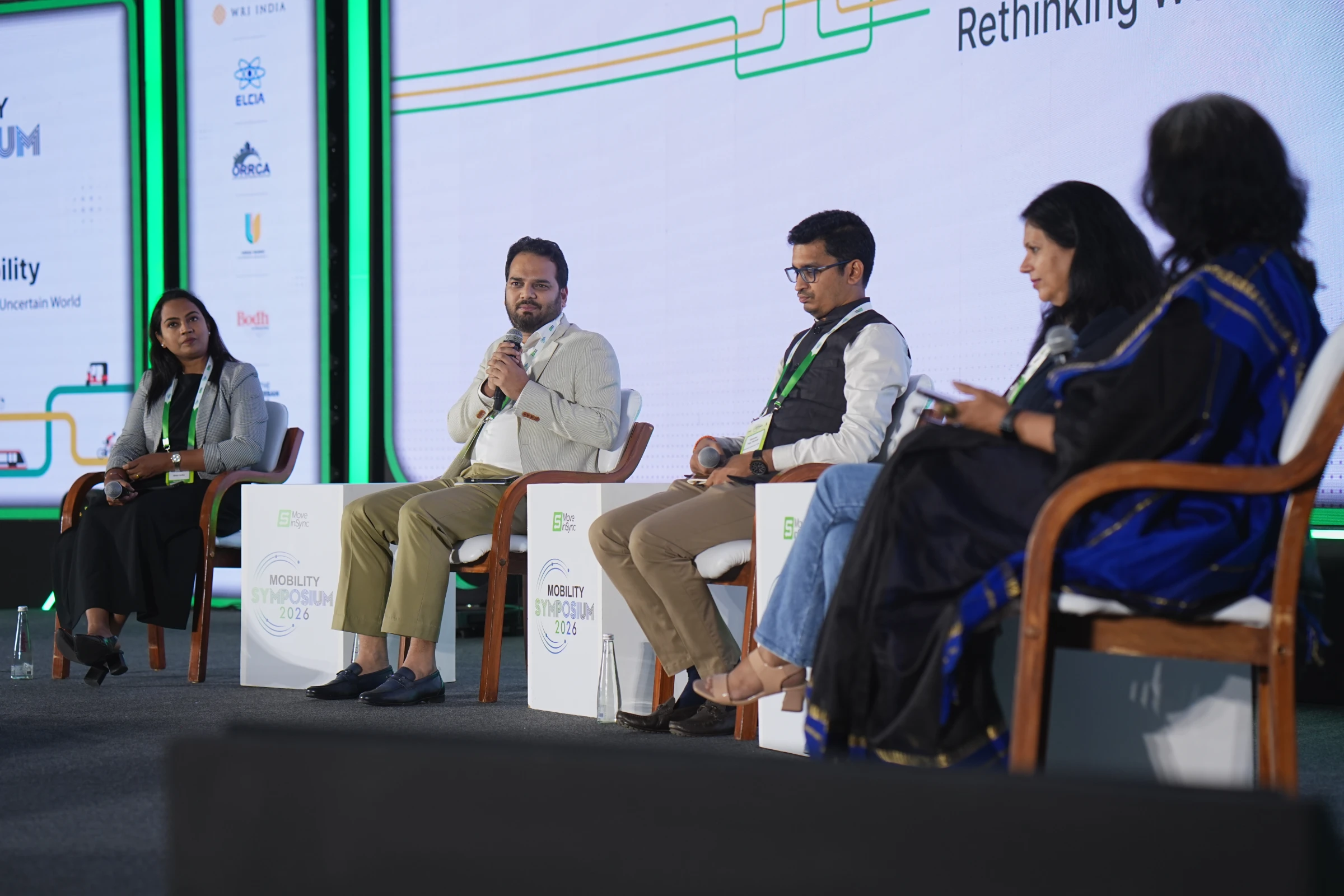
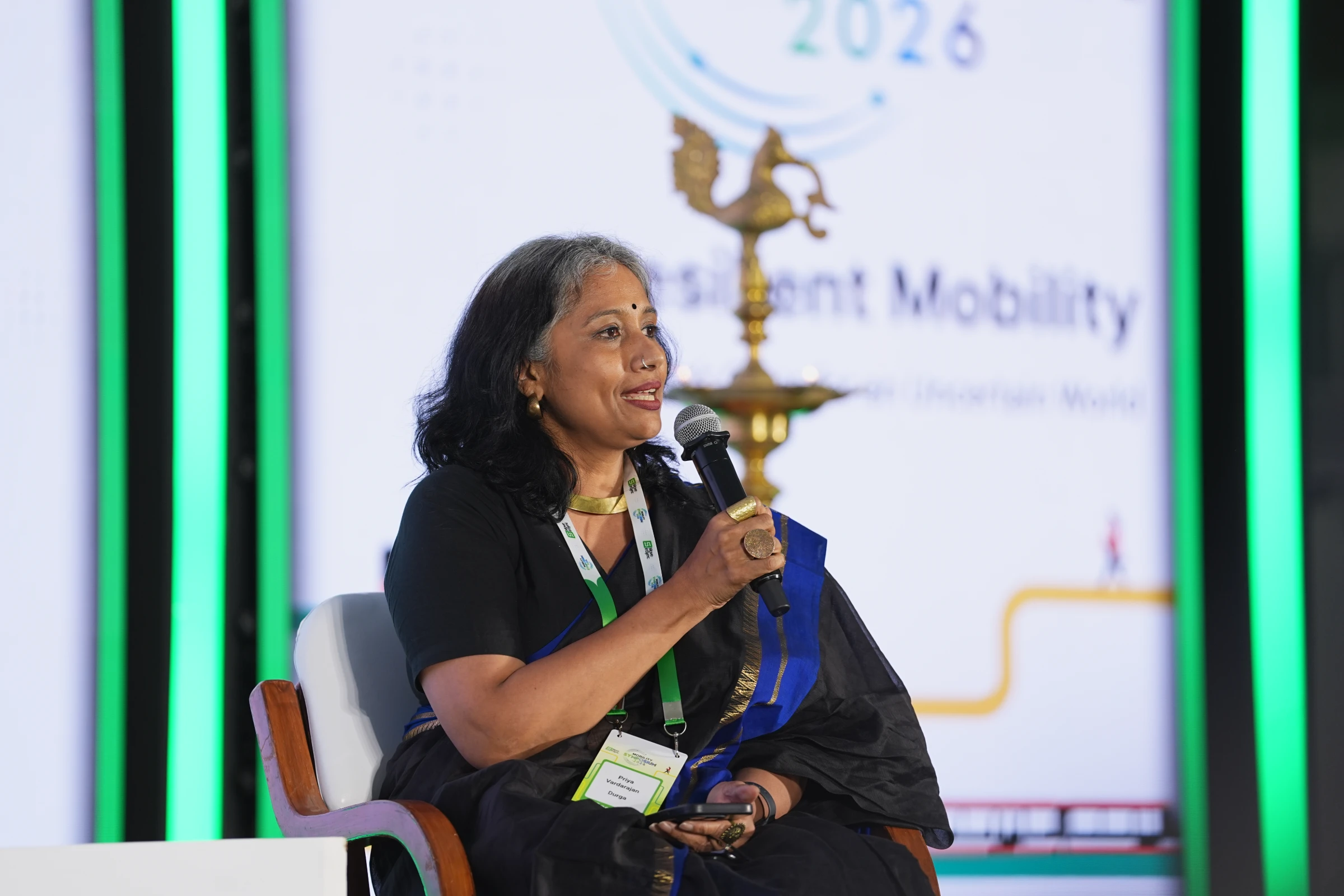
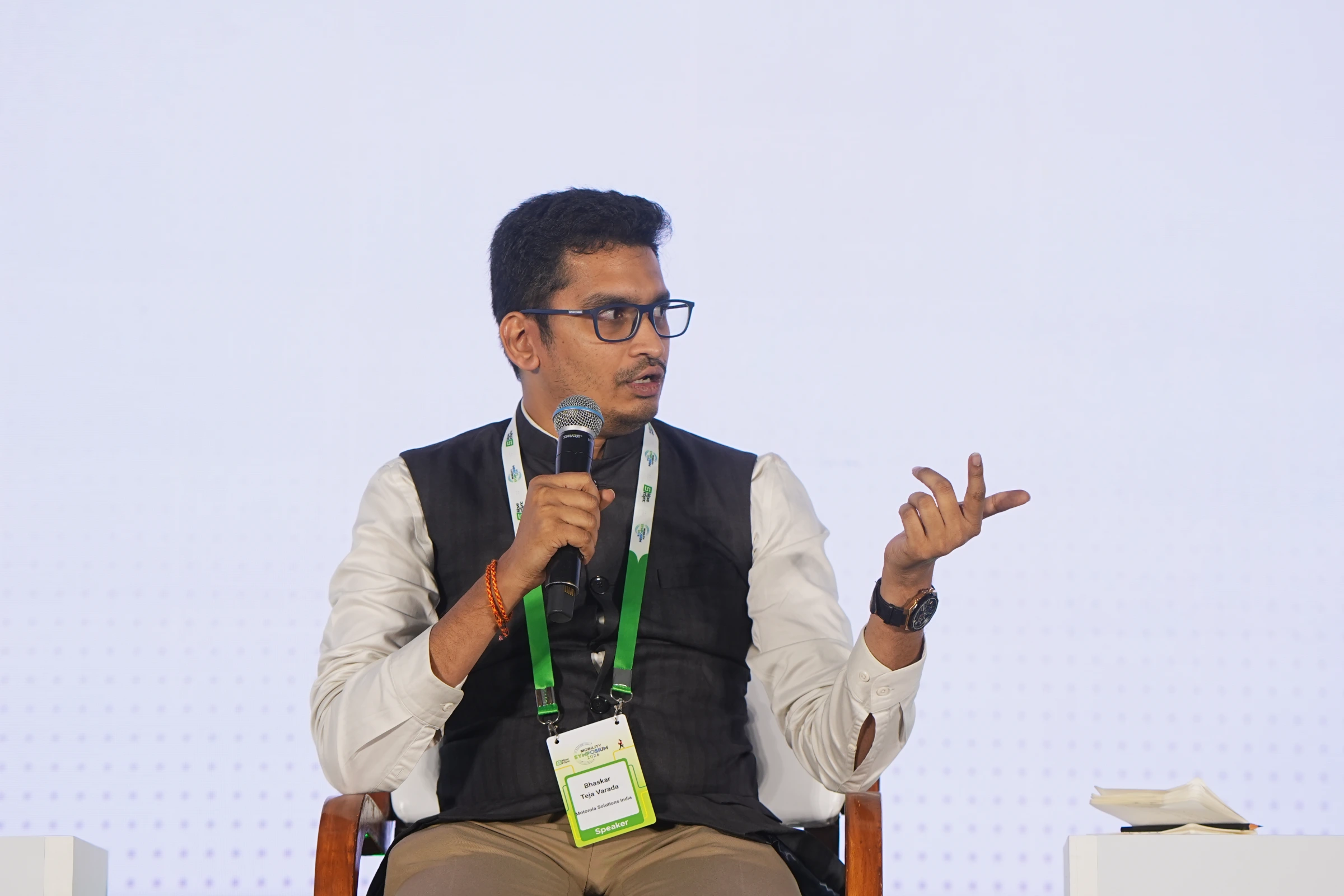
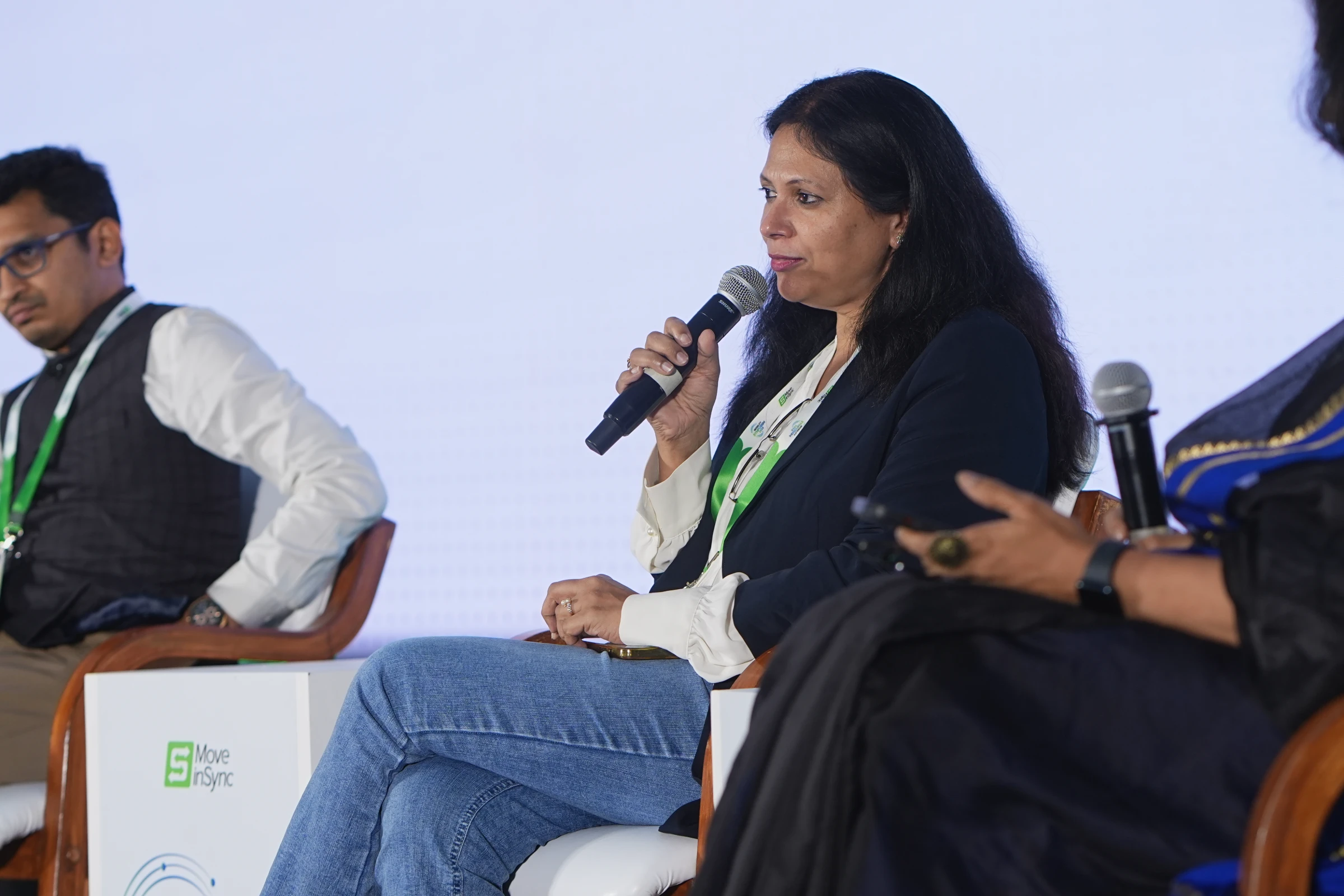
Moderated by Priya Varadarajan (Durga), the panel looked at the "safety tax" women pay every day, from cabs instead of walks to constant route planning. Speakers shared what works, from Hyderabad's SHE Shuttles to POSH training in local languages, and agreed that men must be co-authors of the solution.
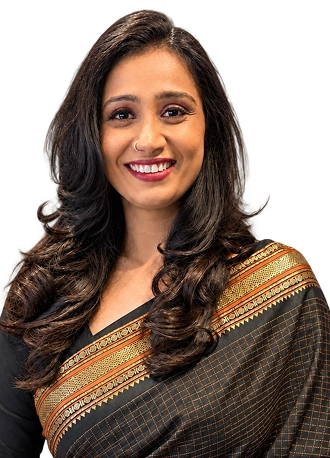
Priya Vardarajan
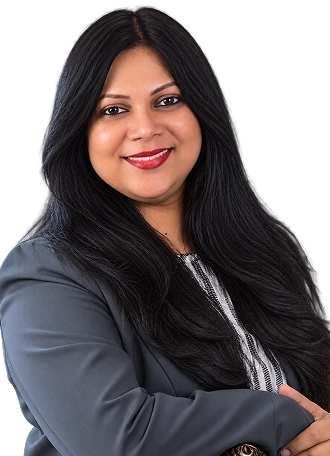
Mehar Fathima
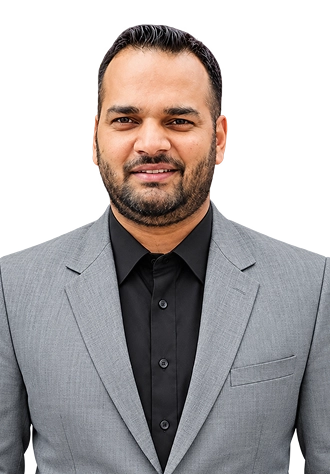
Naved Alam Khan
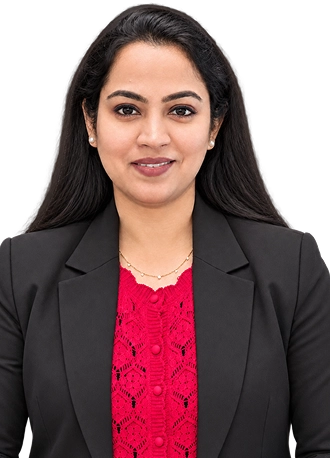
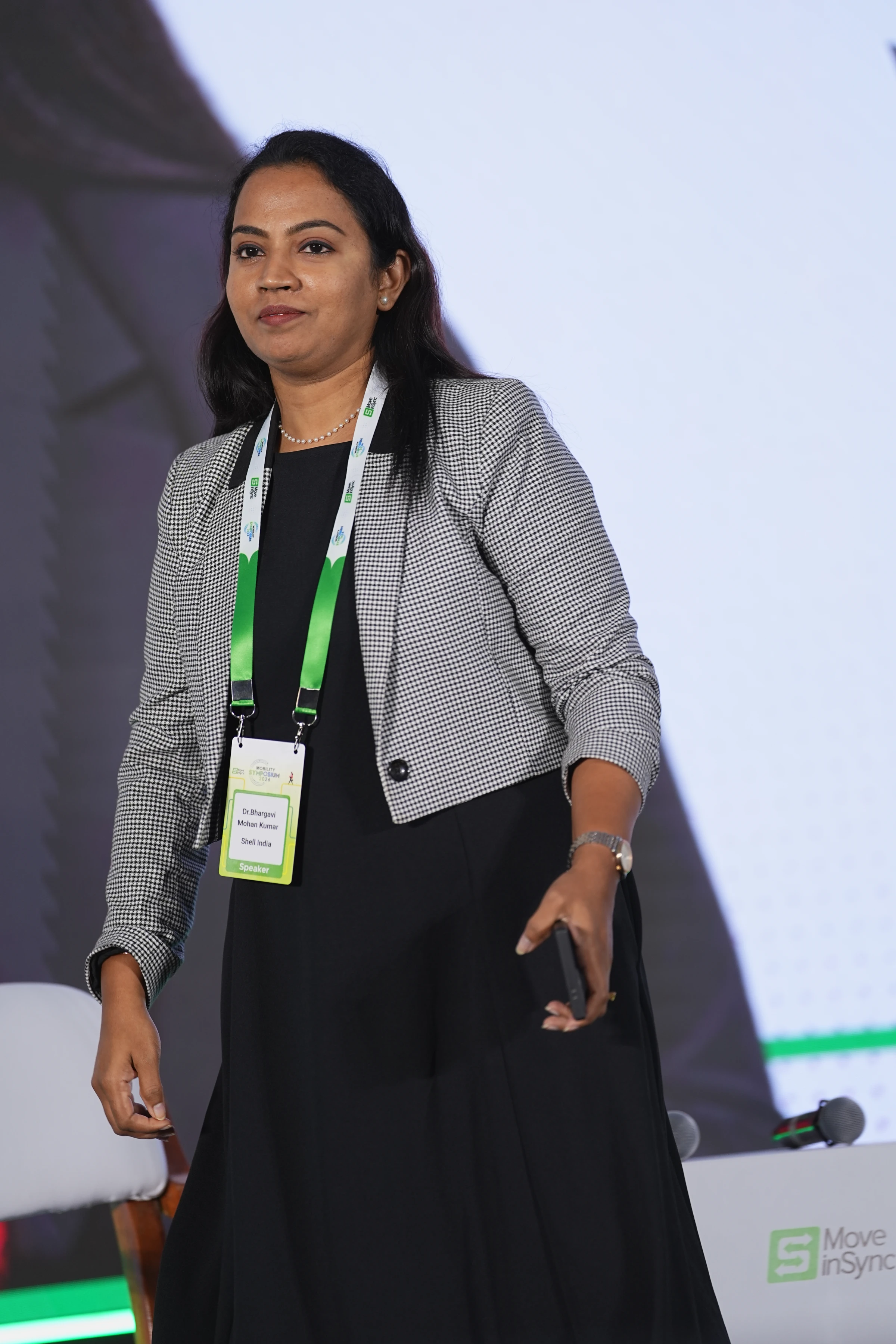
Bhargavi Mohan Kumar
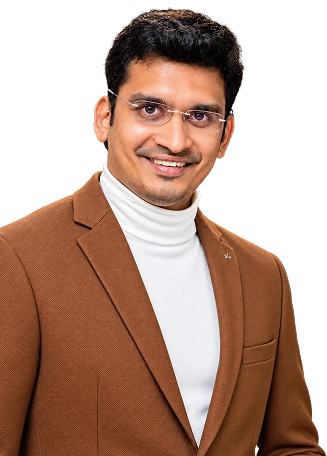
Bhaskar Teja Varada

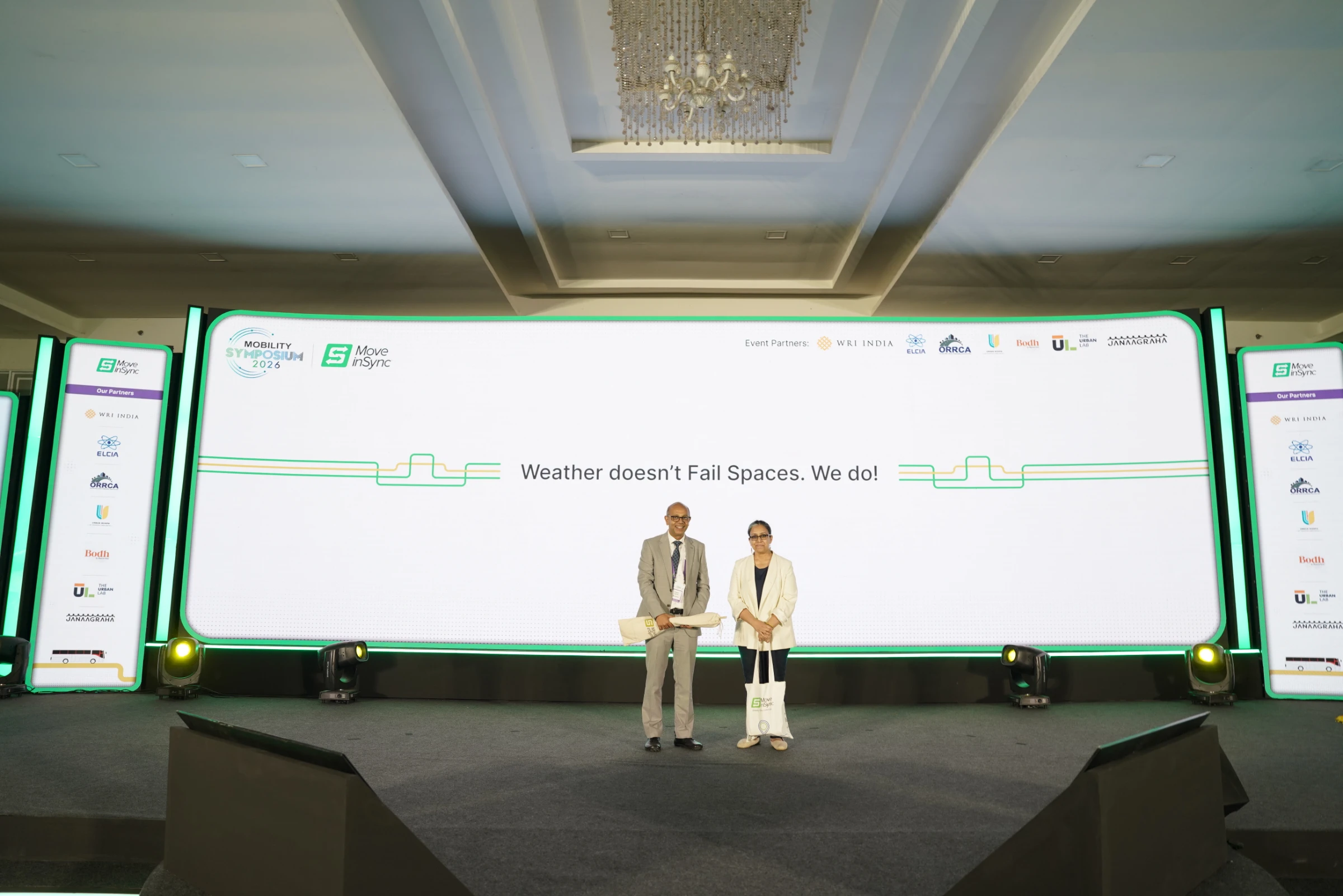
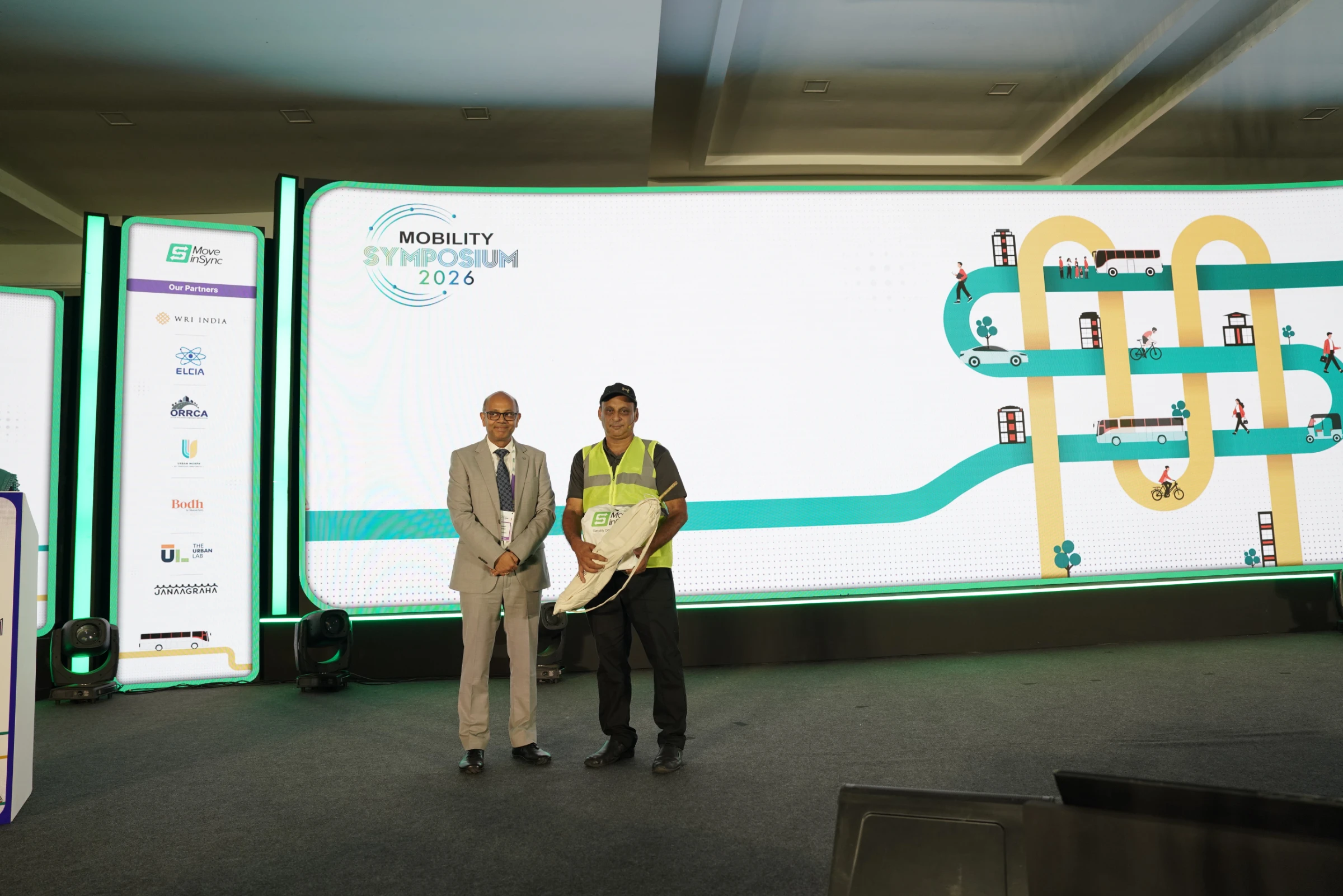
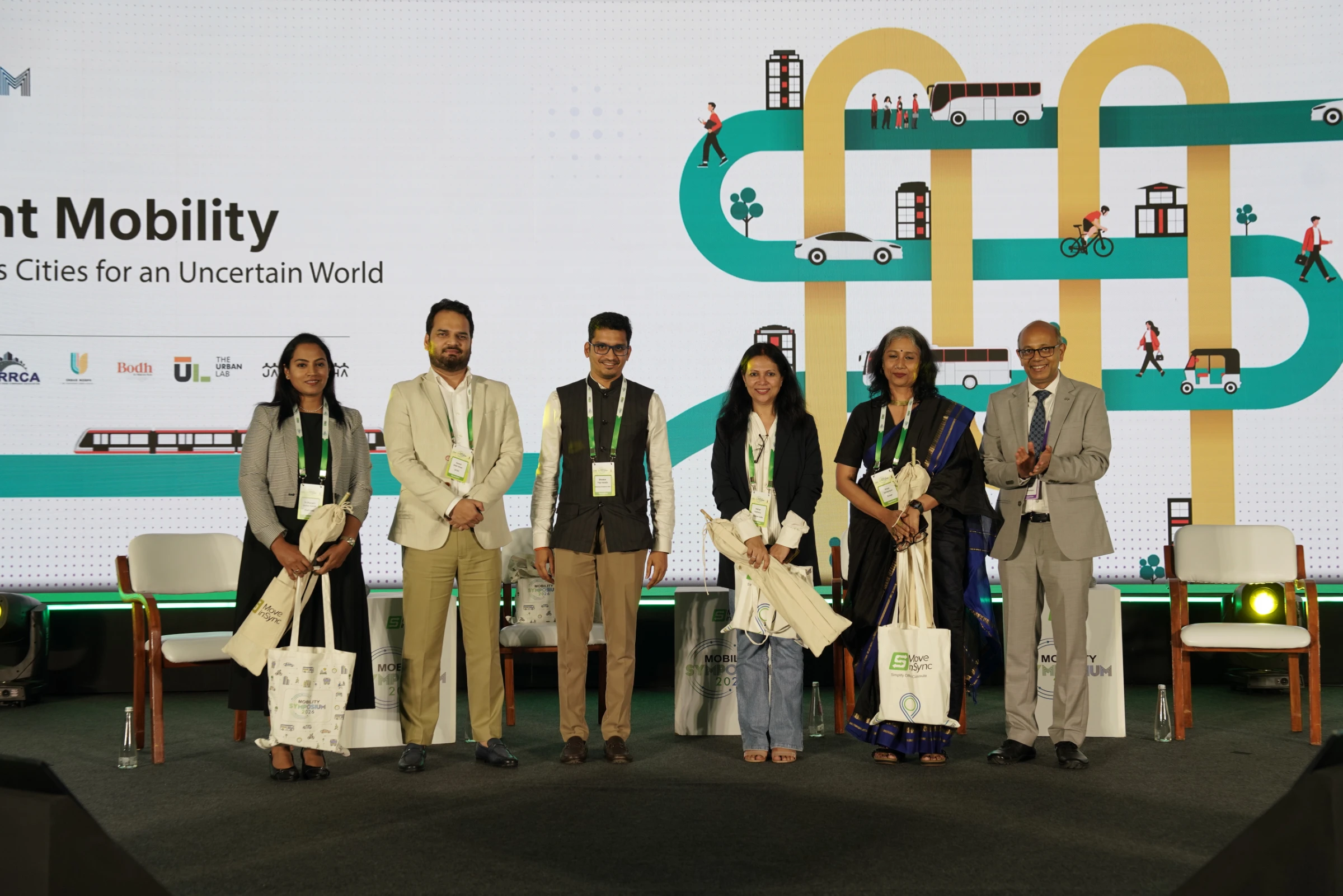
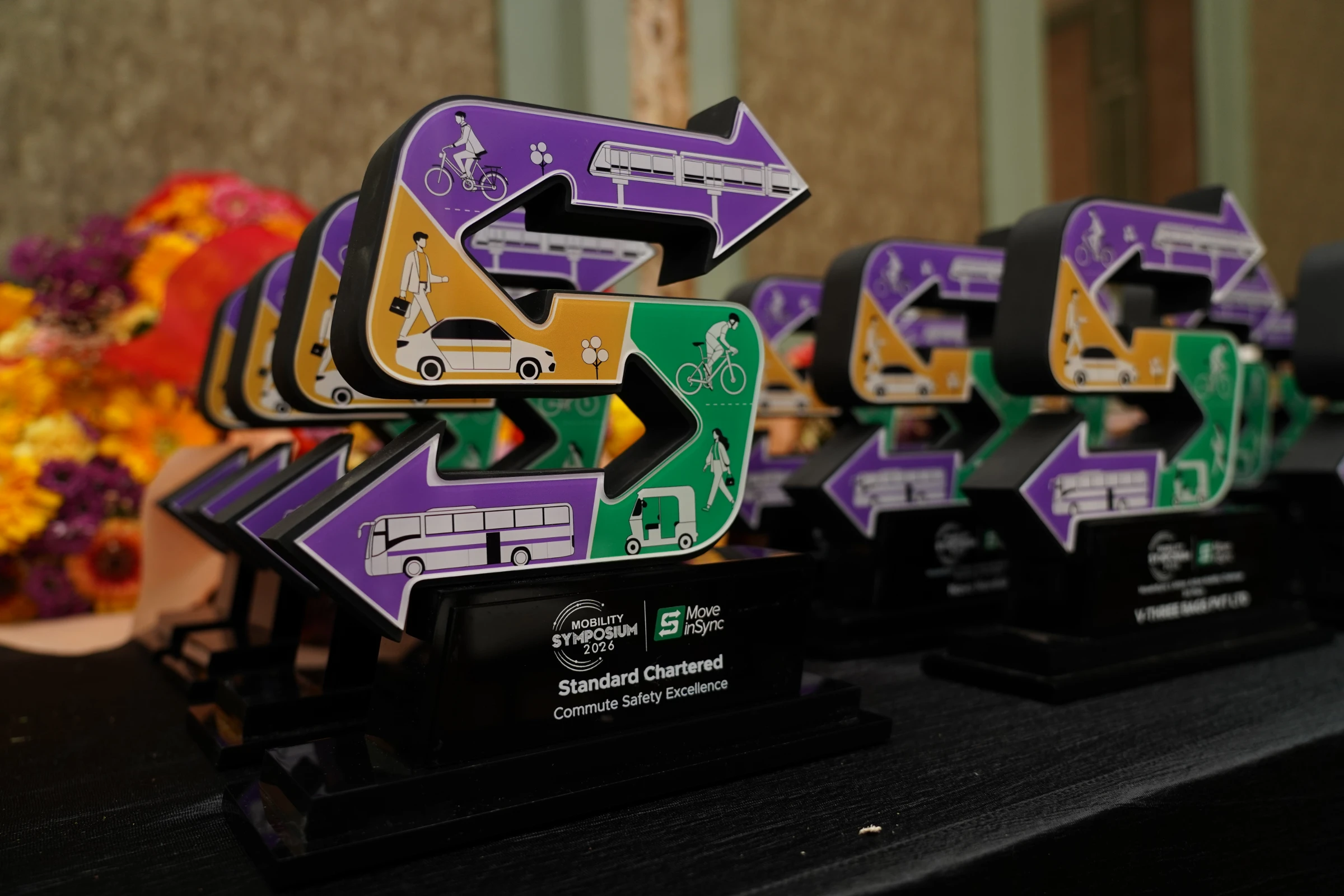
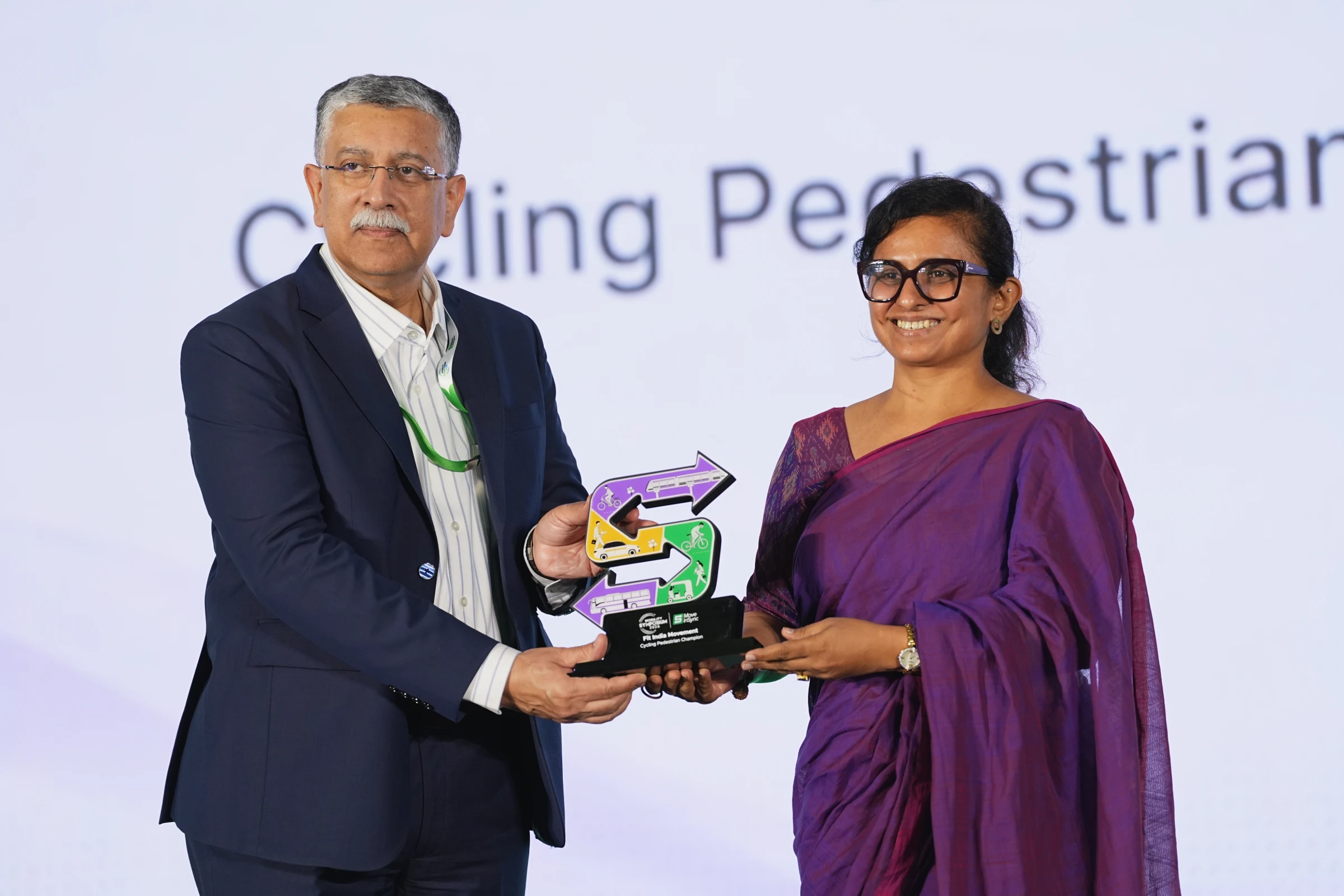
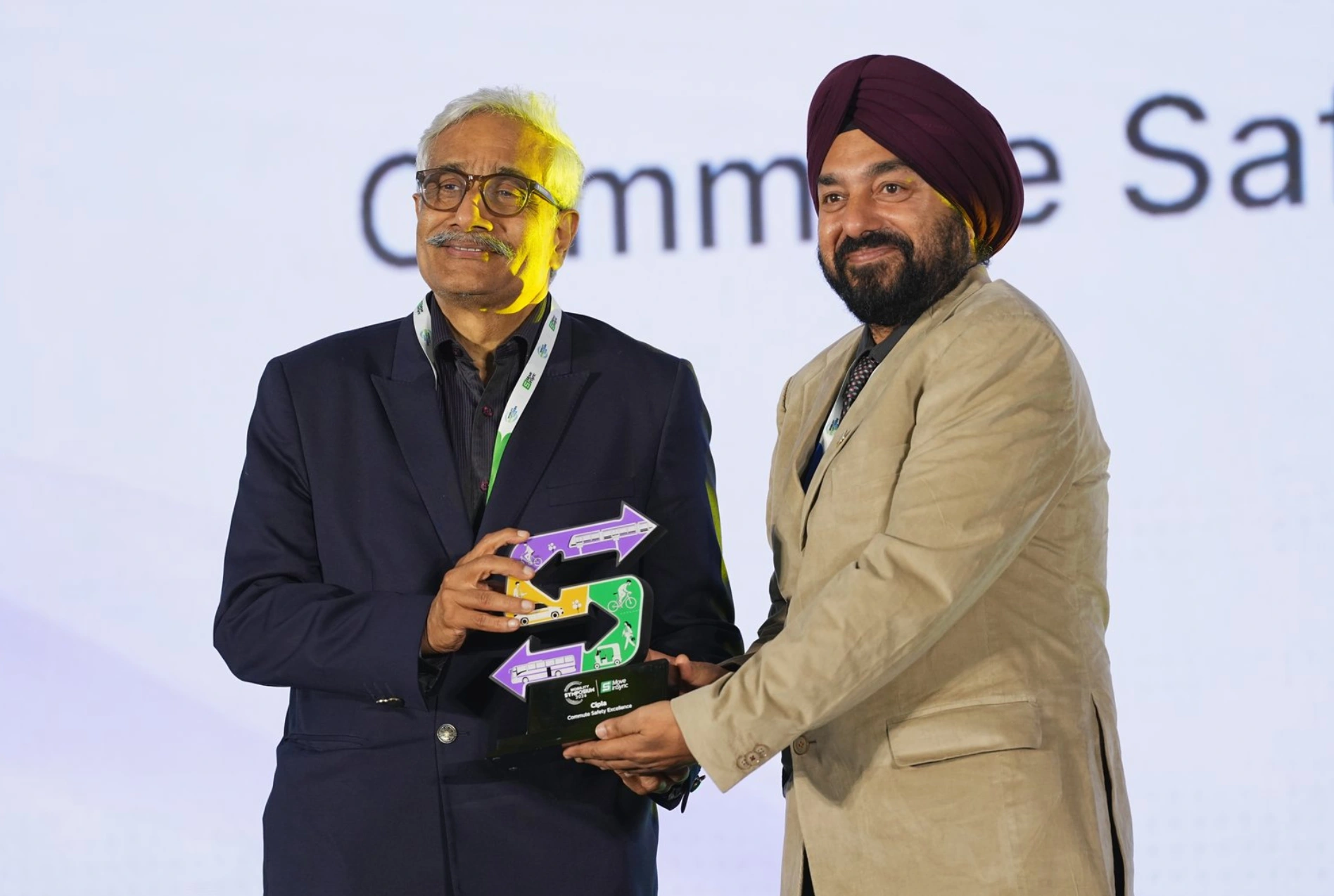
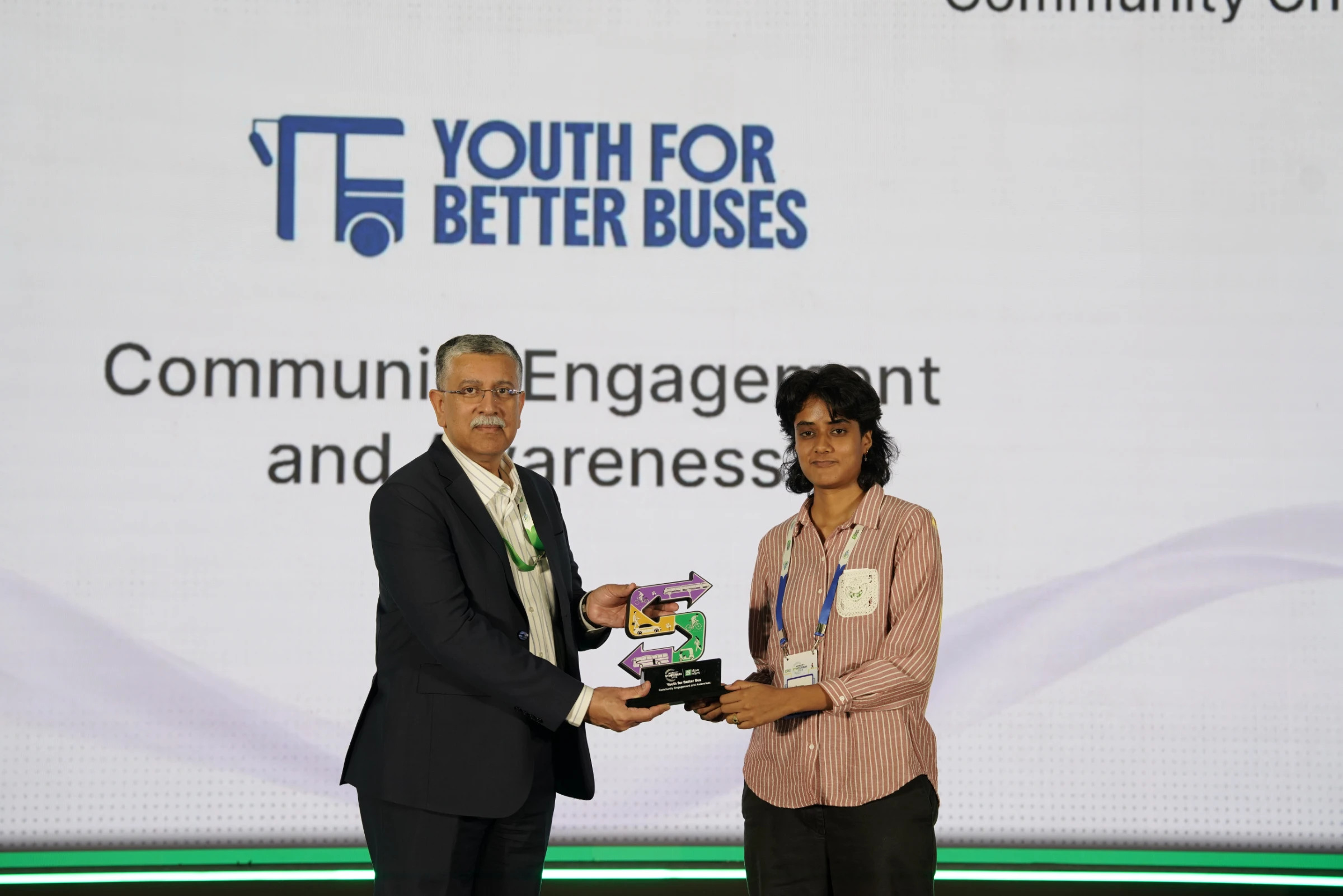
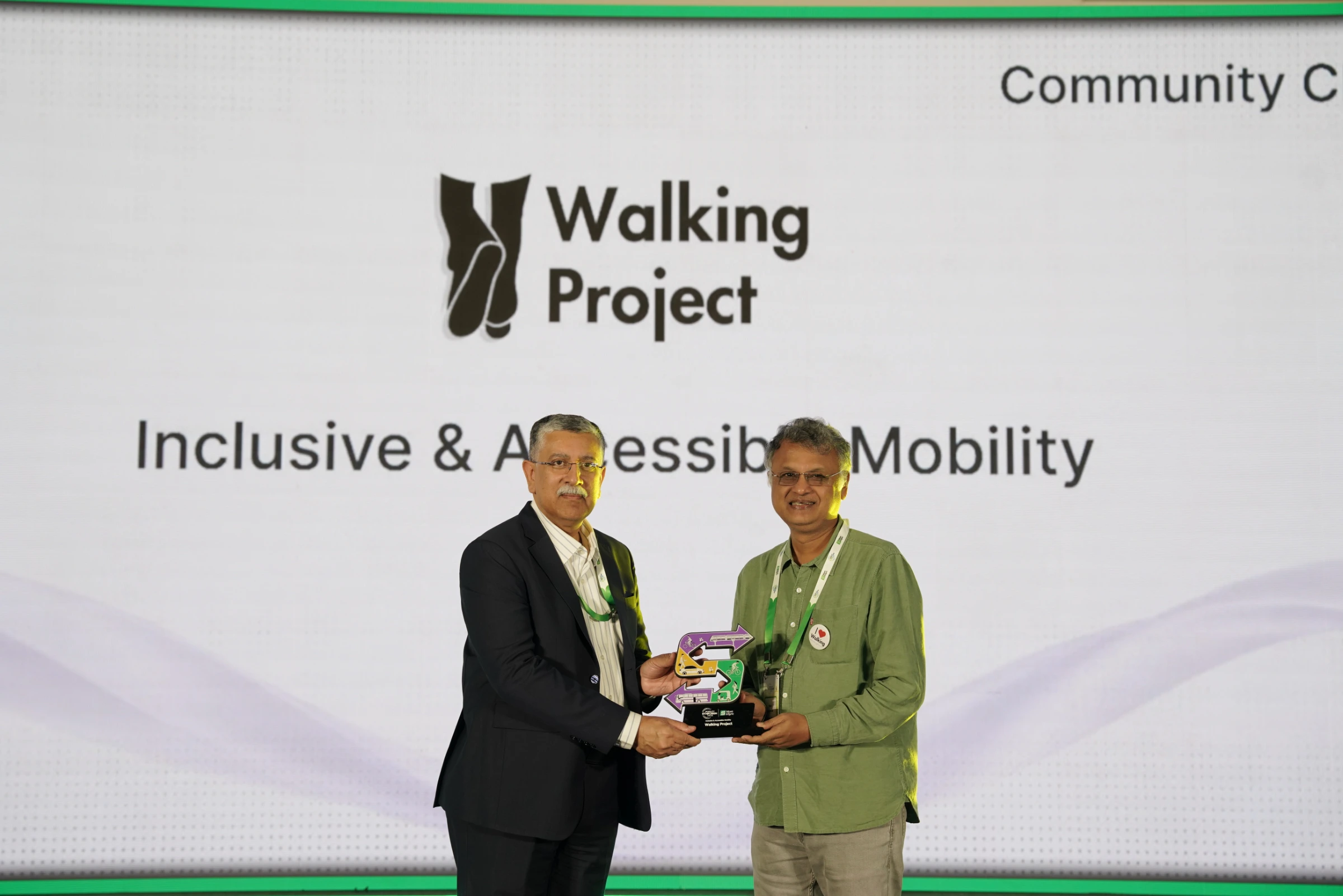
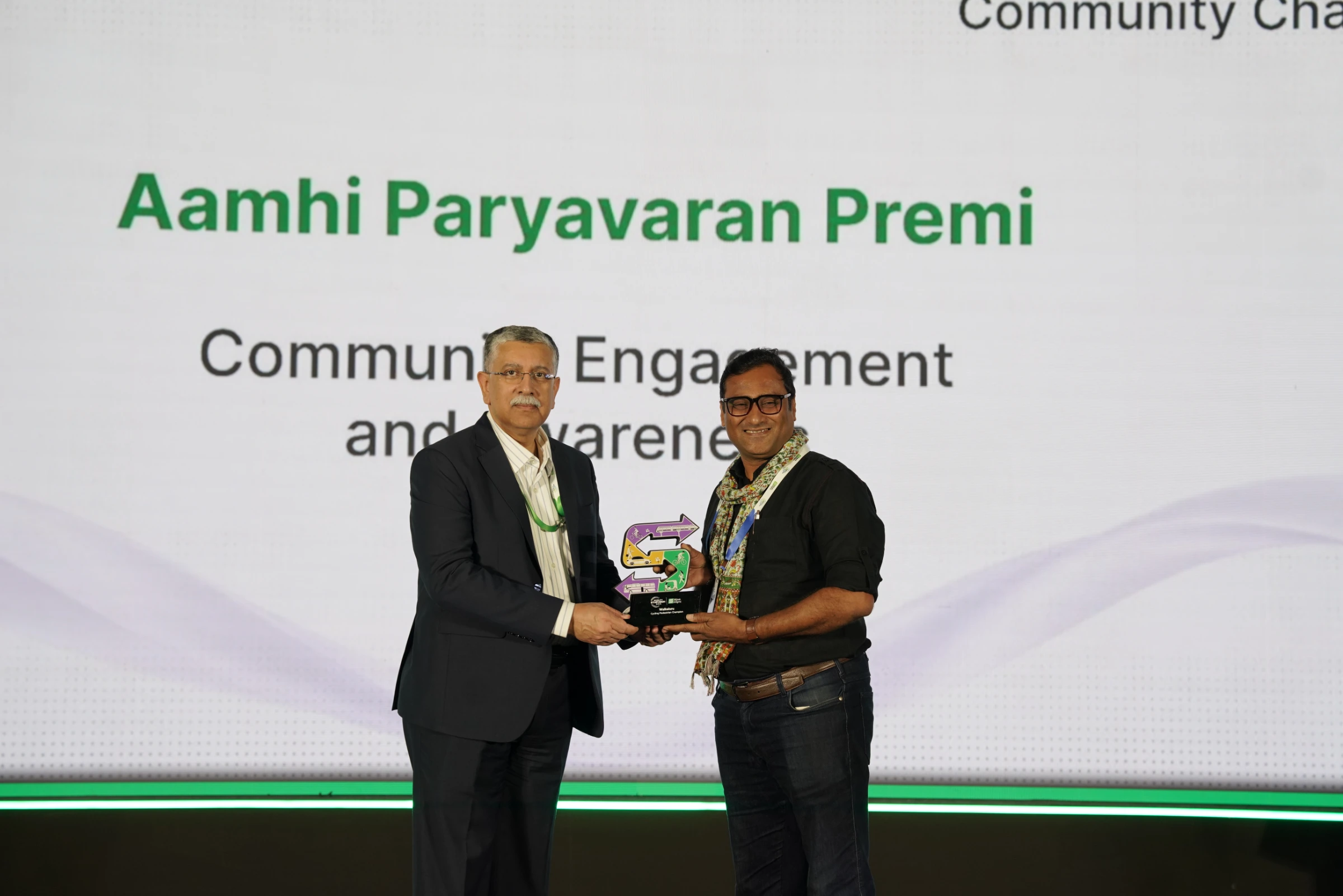
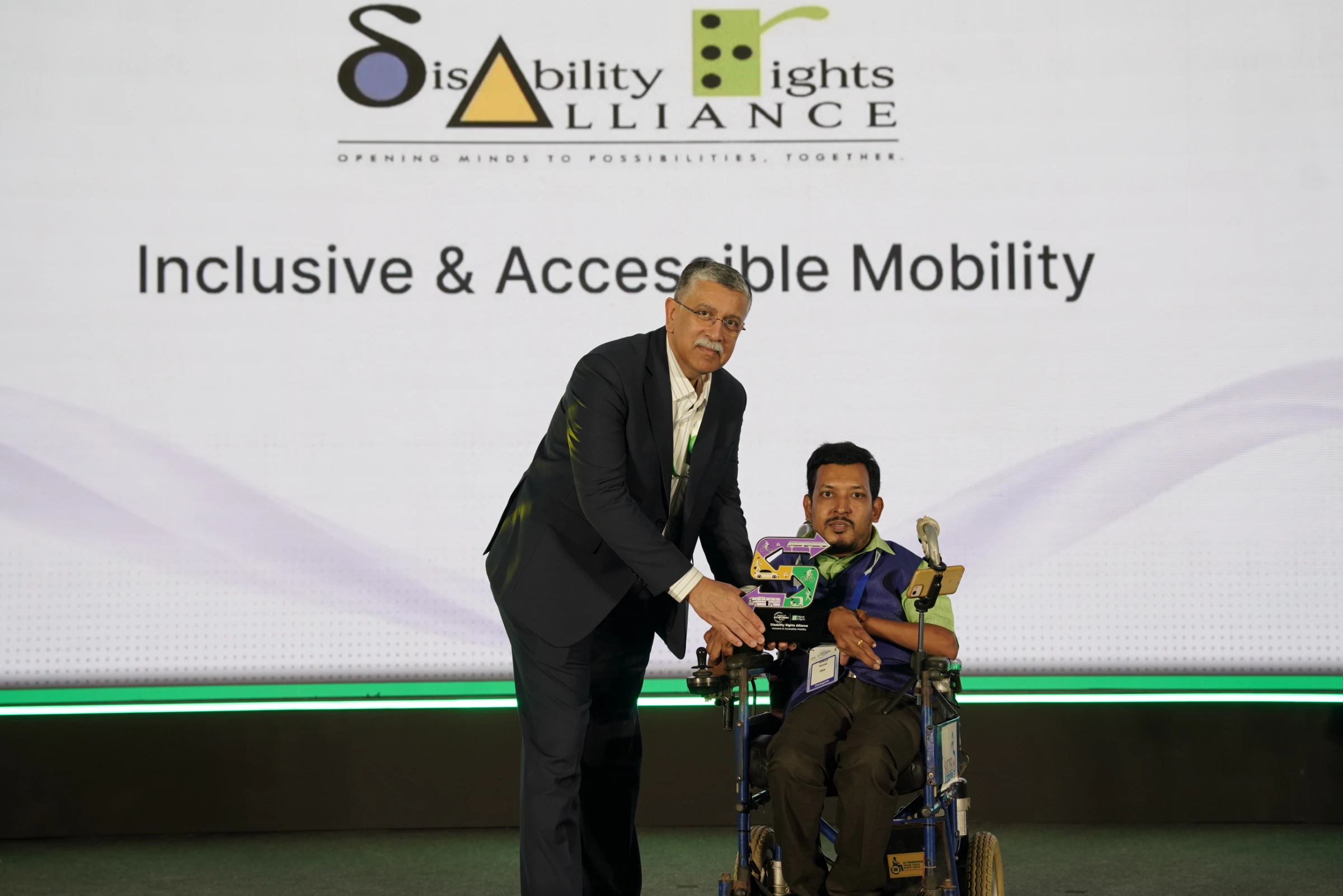
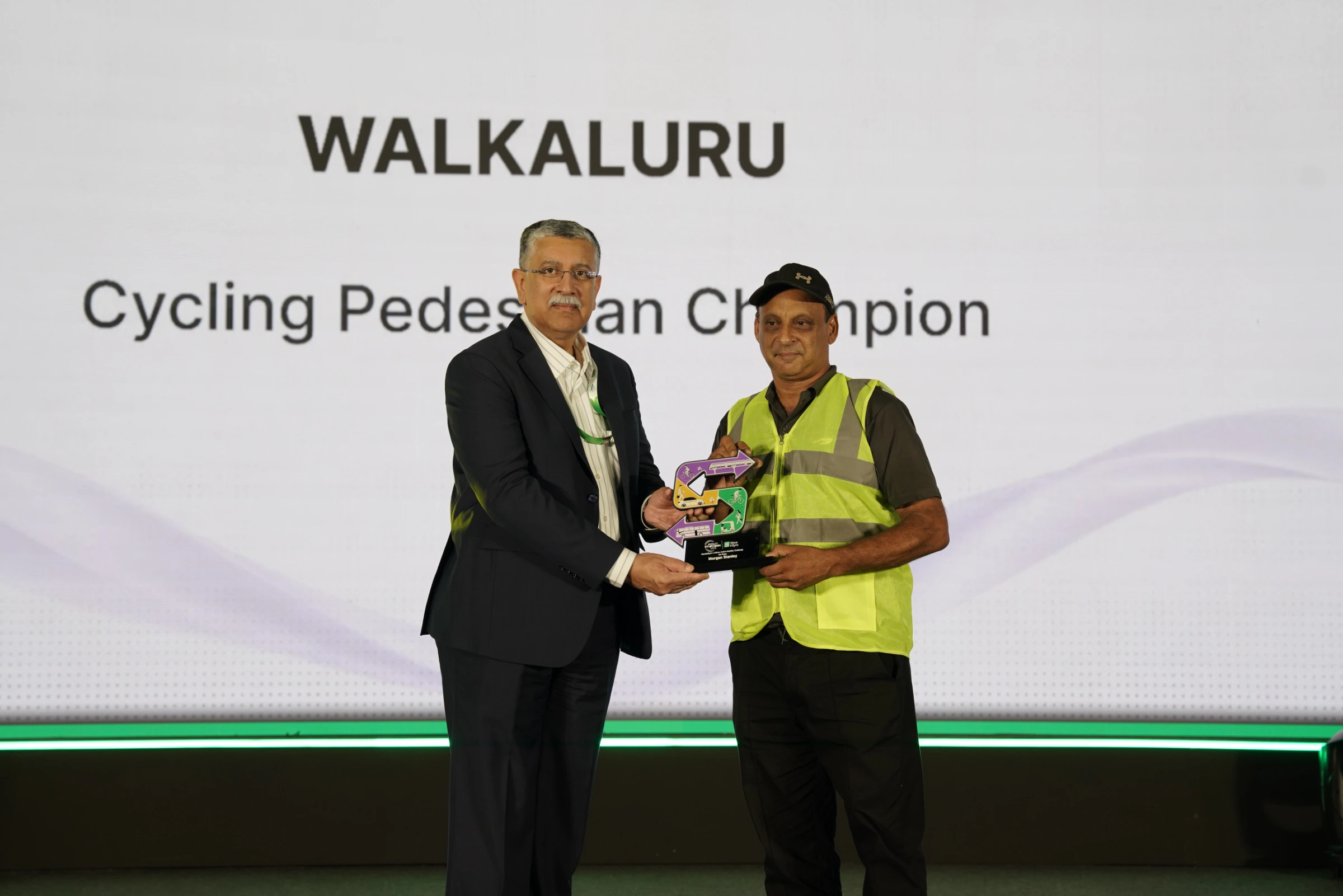
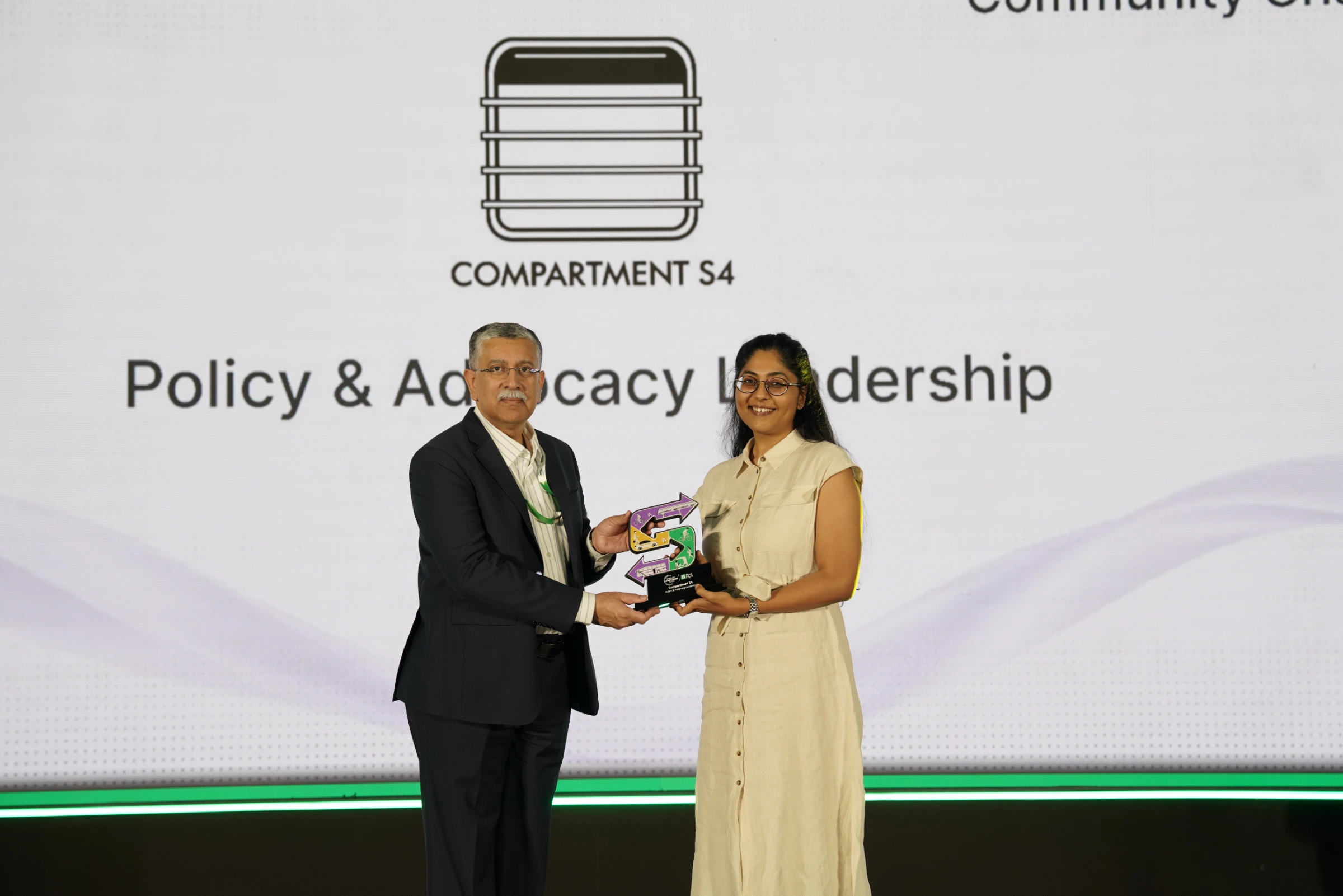
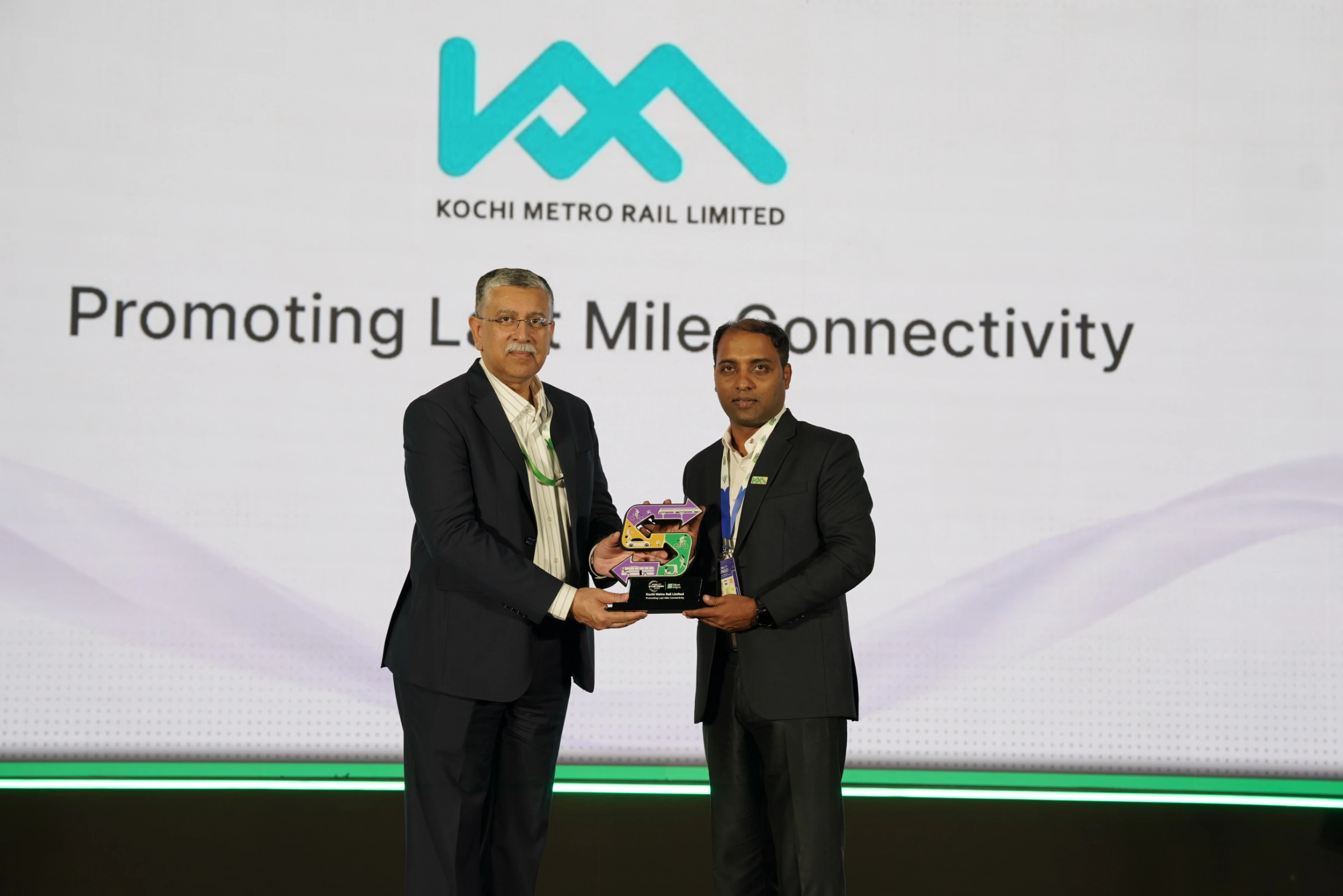
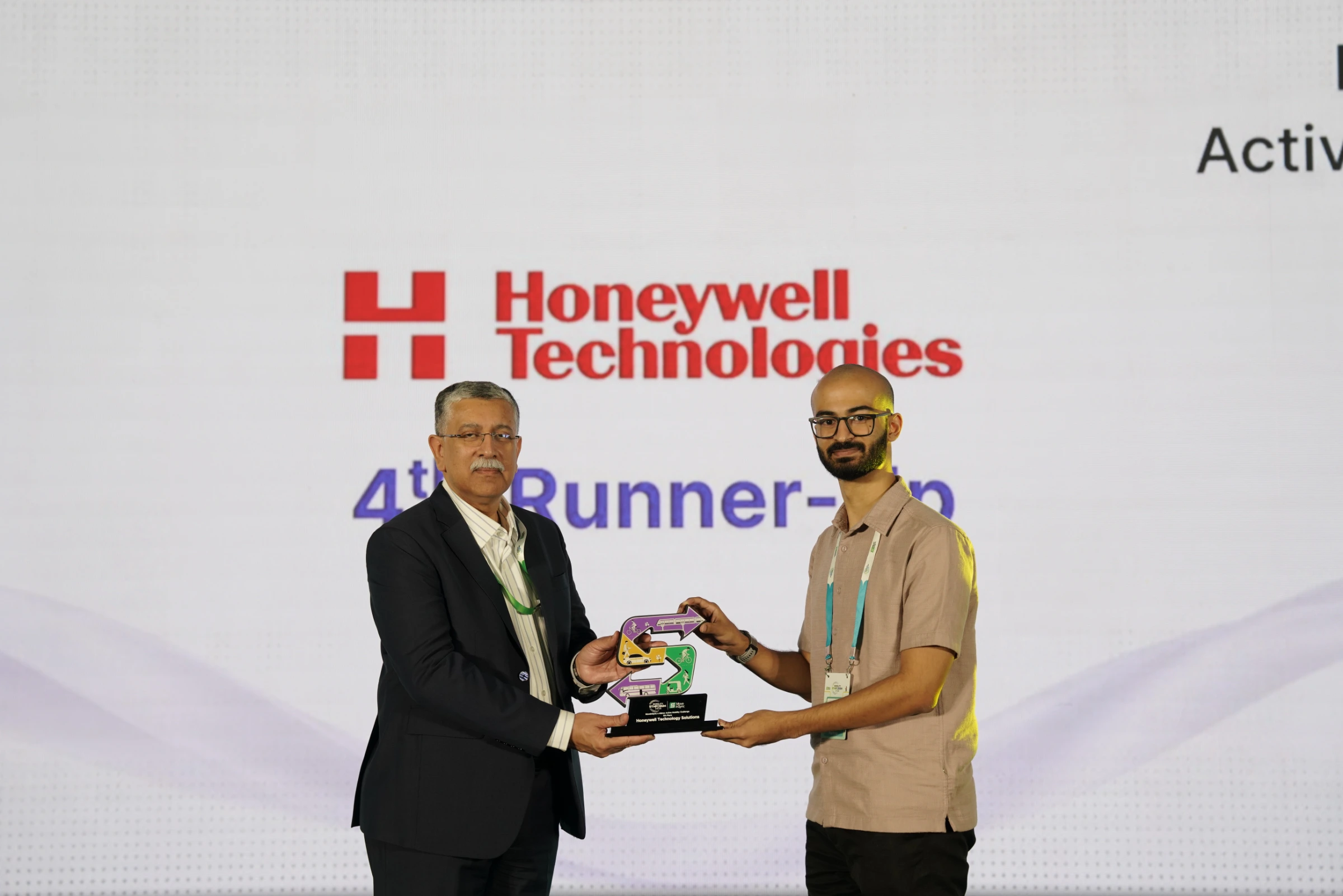
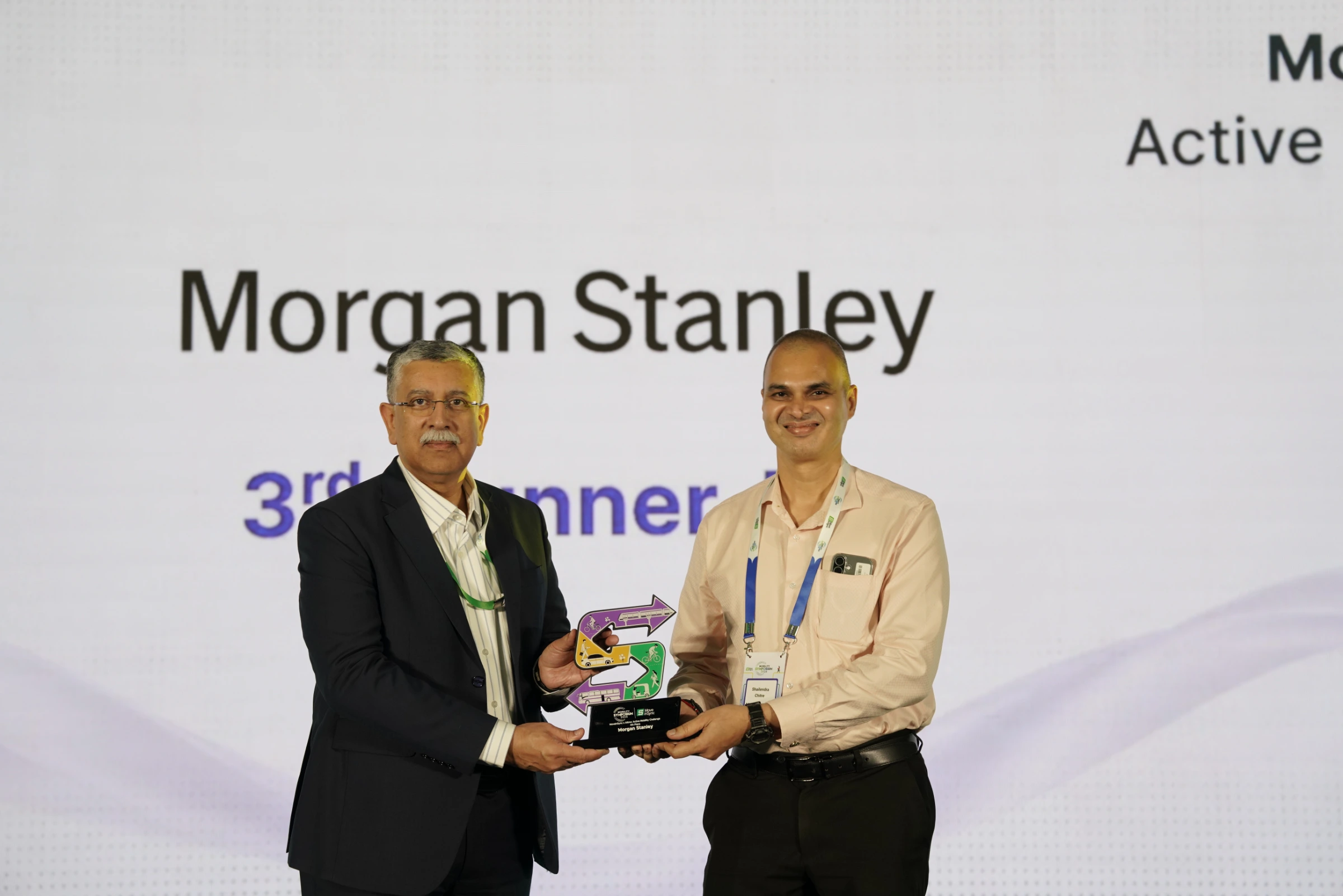
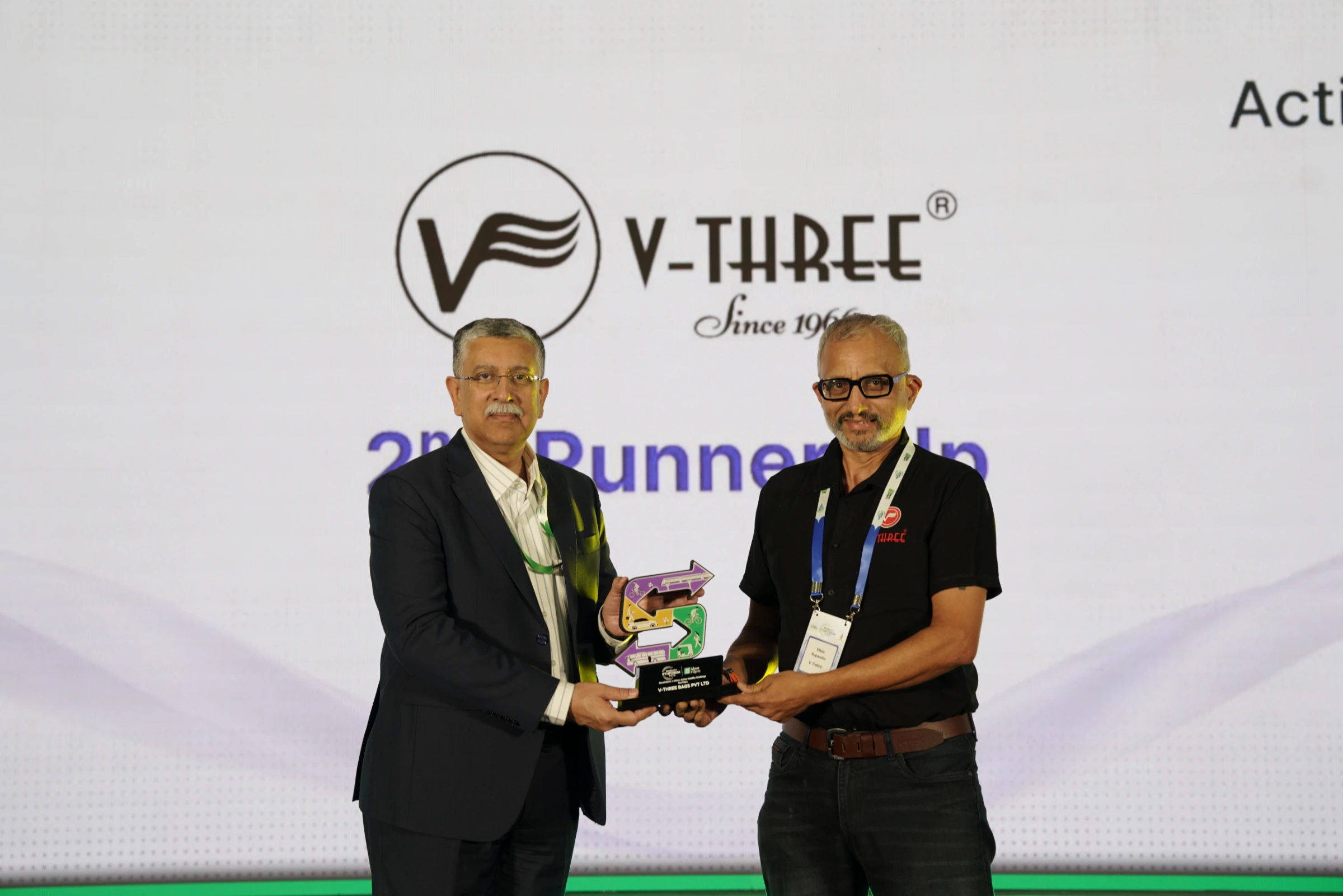
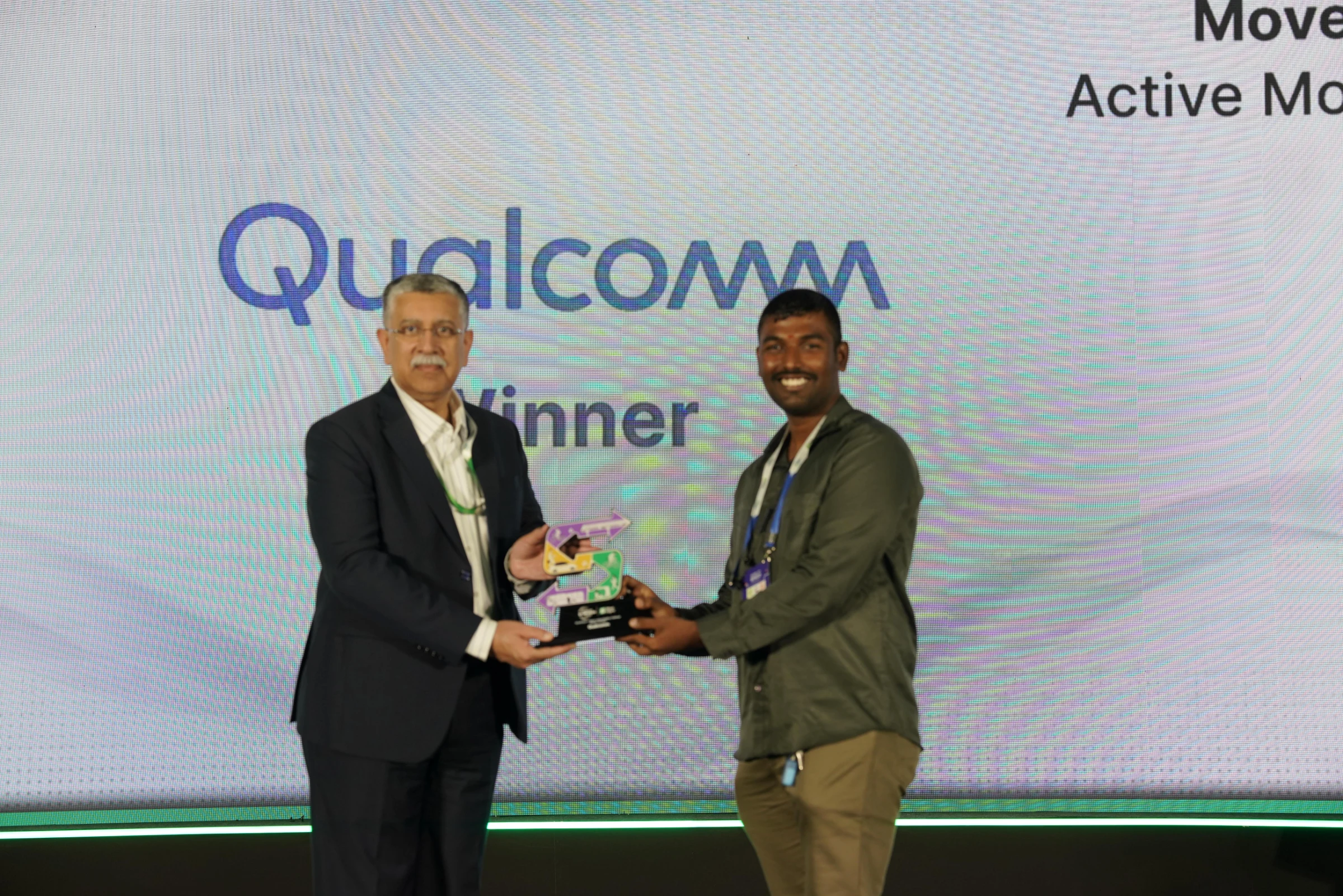
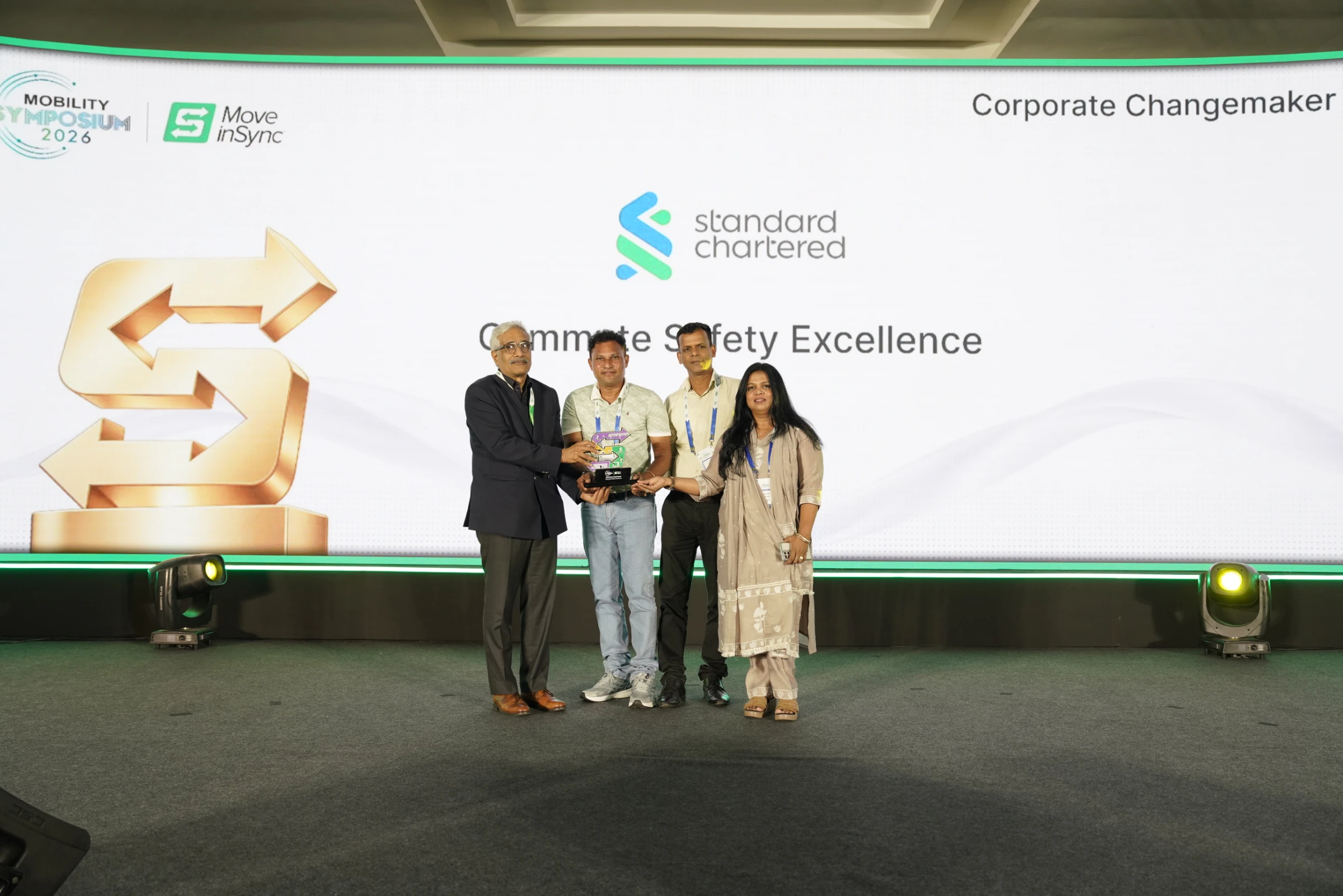
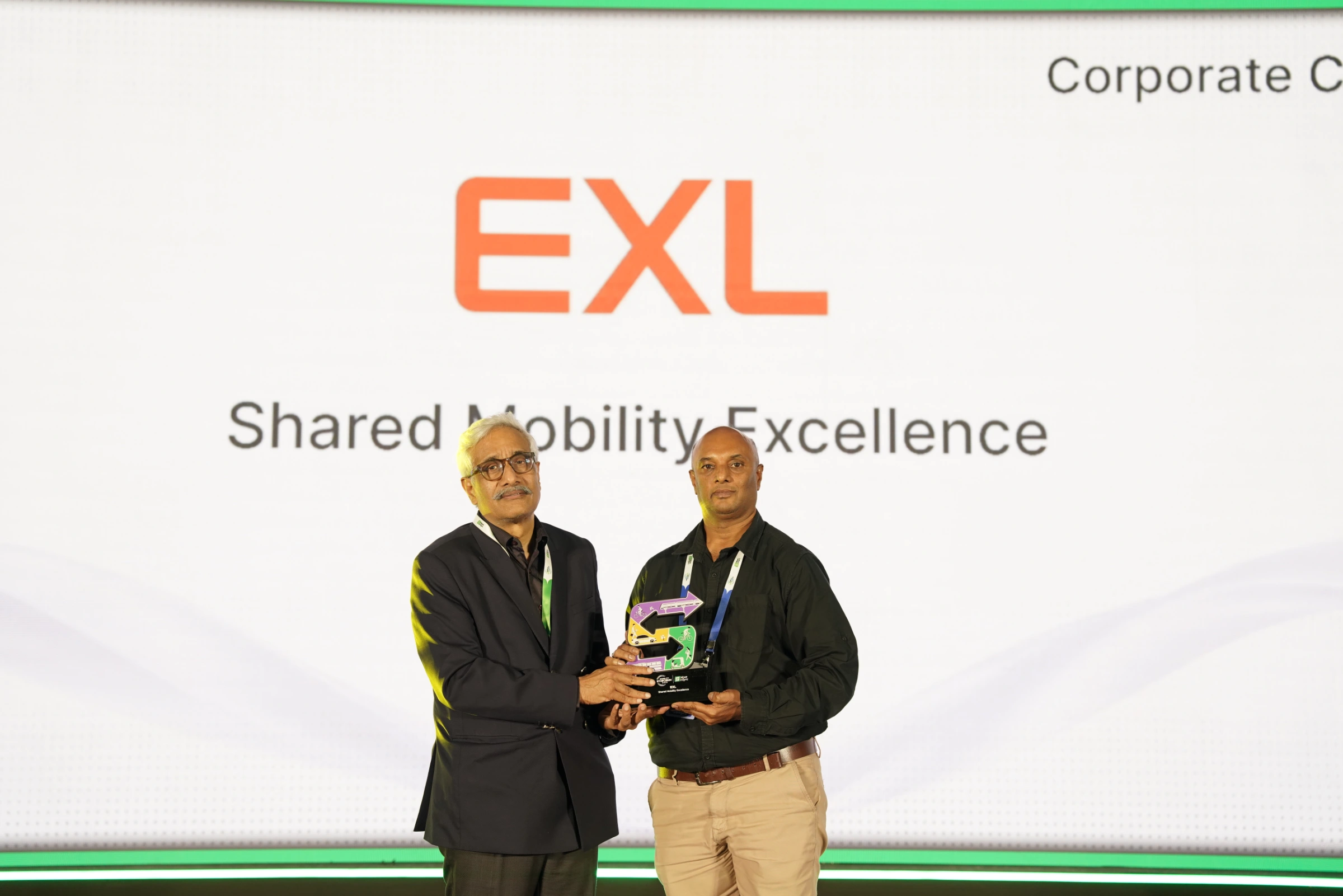
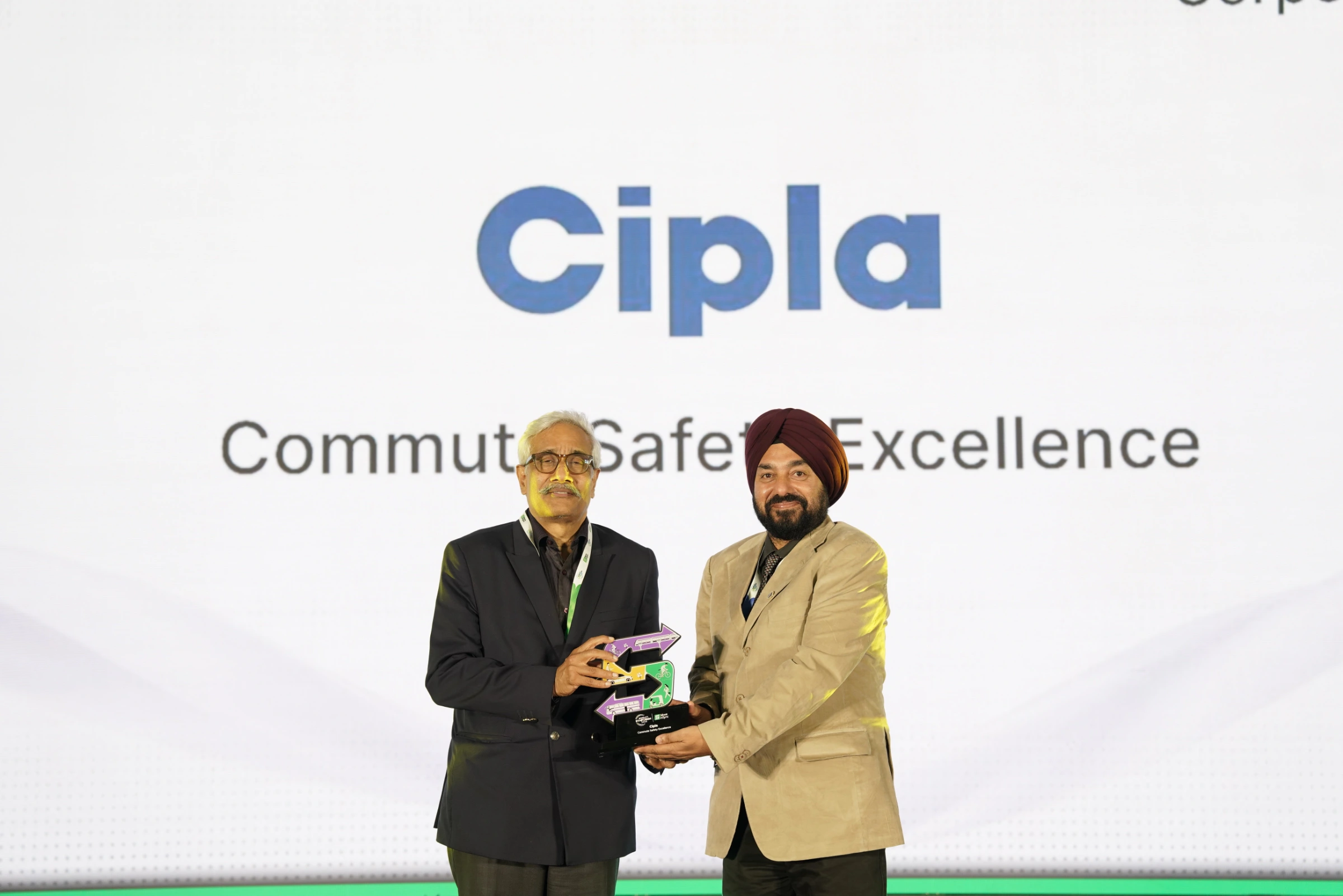
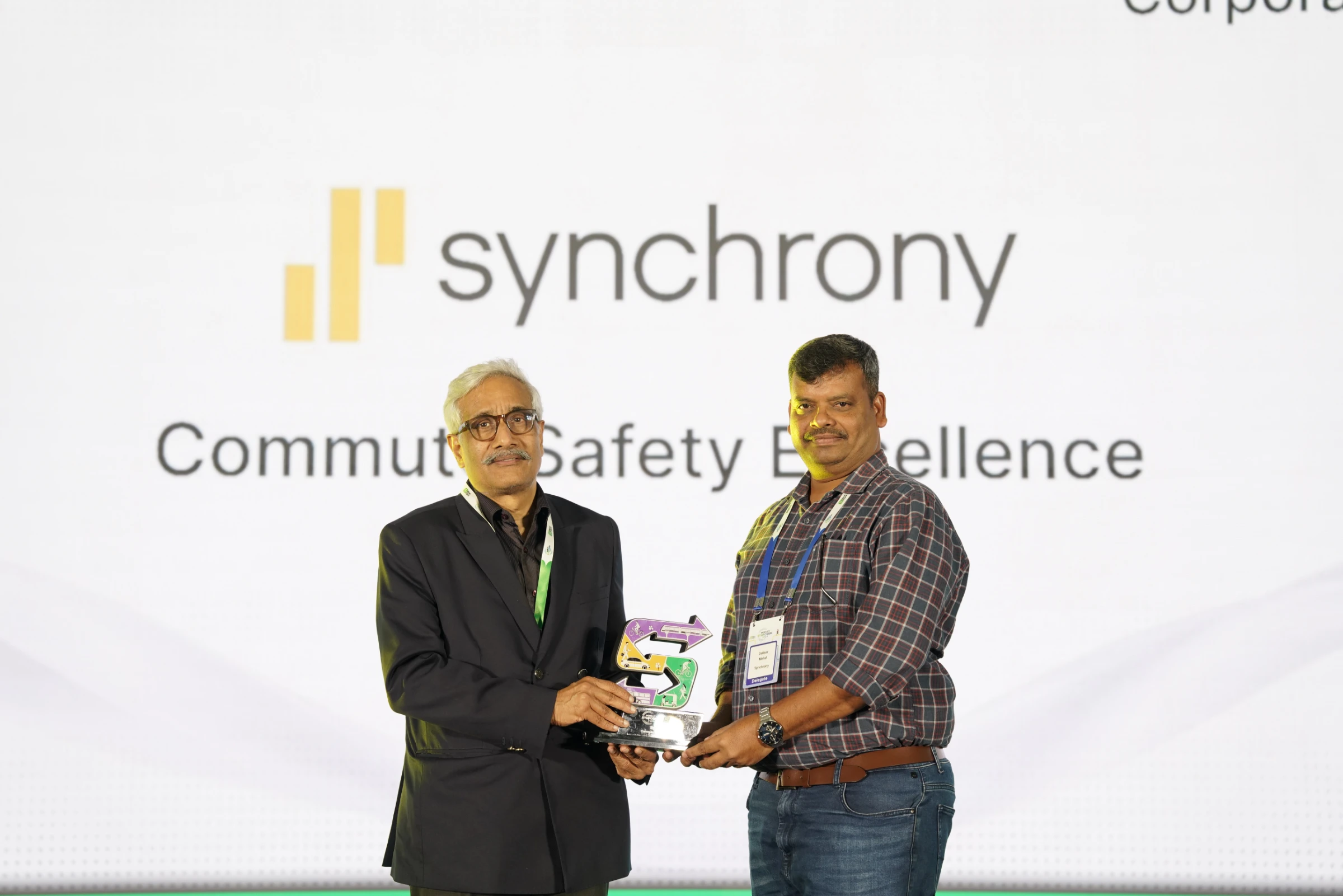
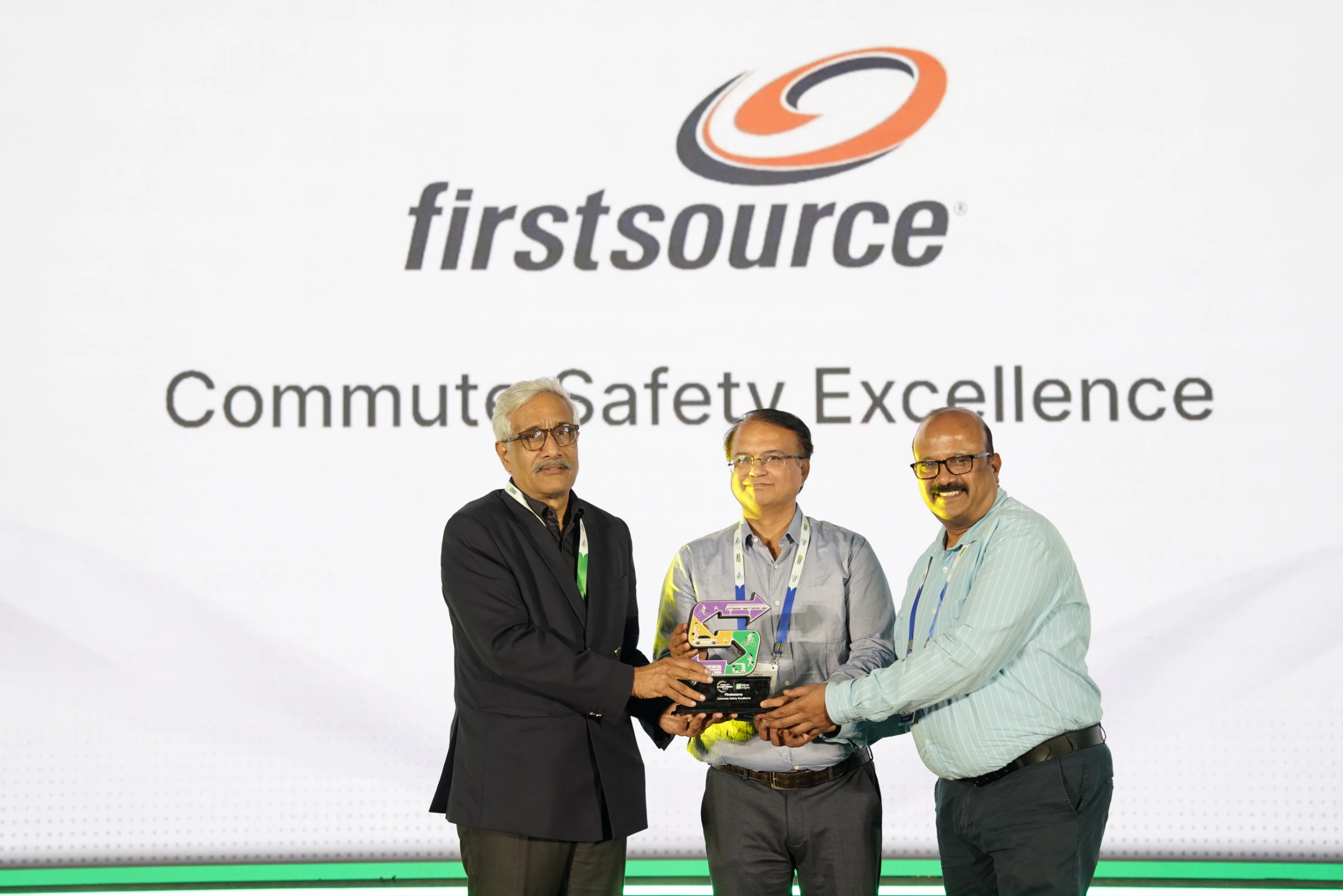
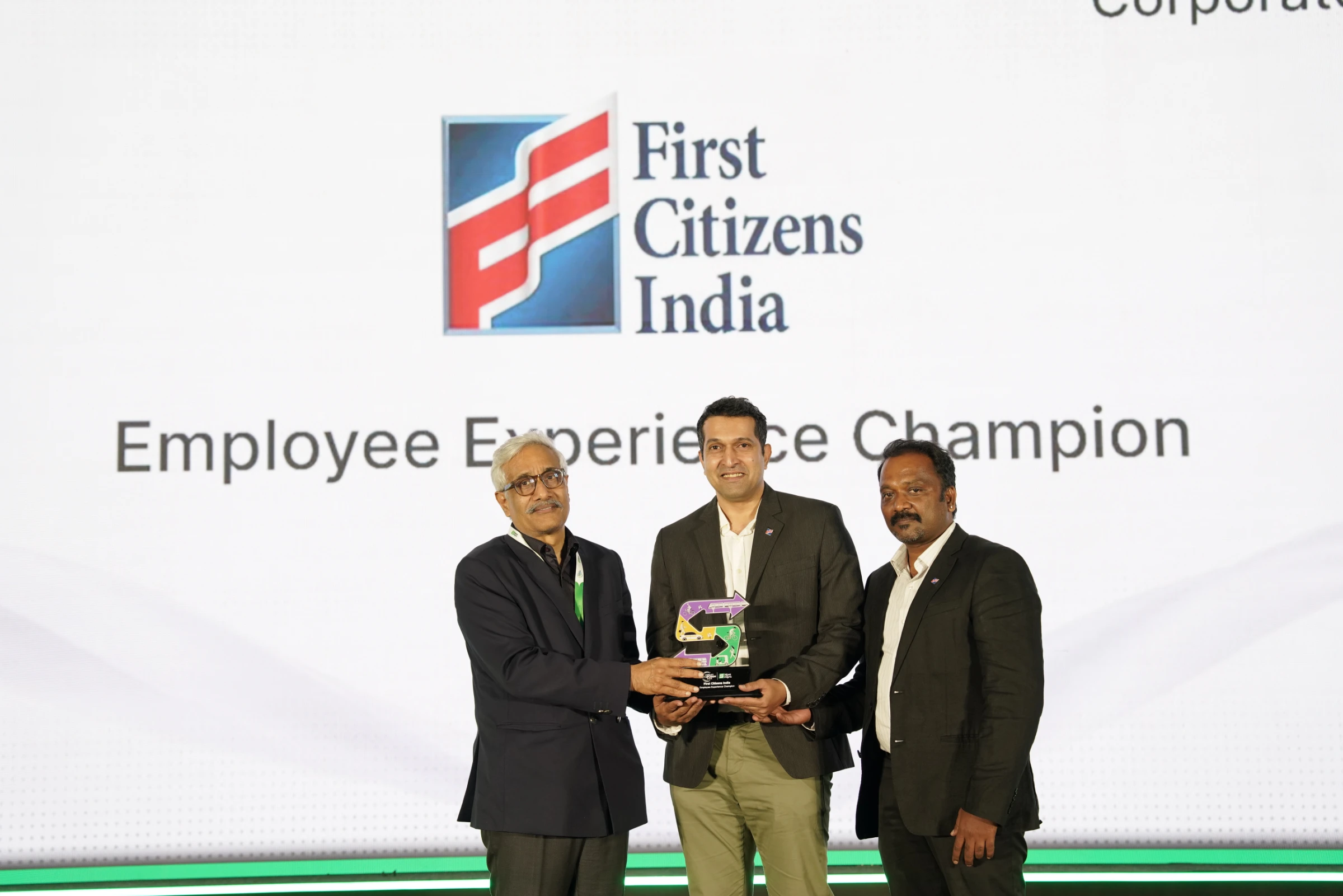
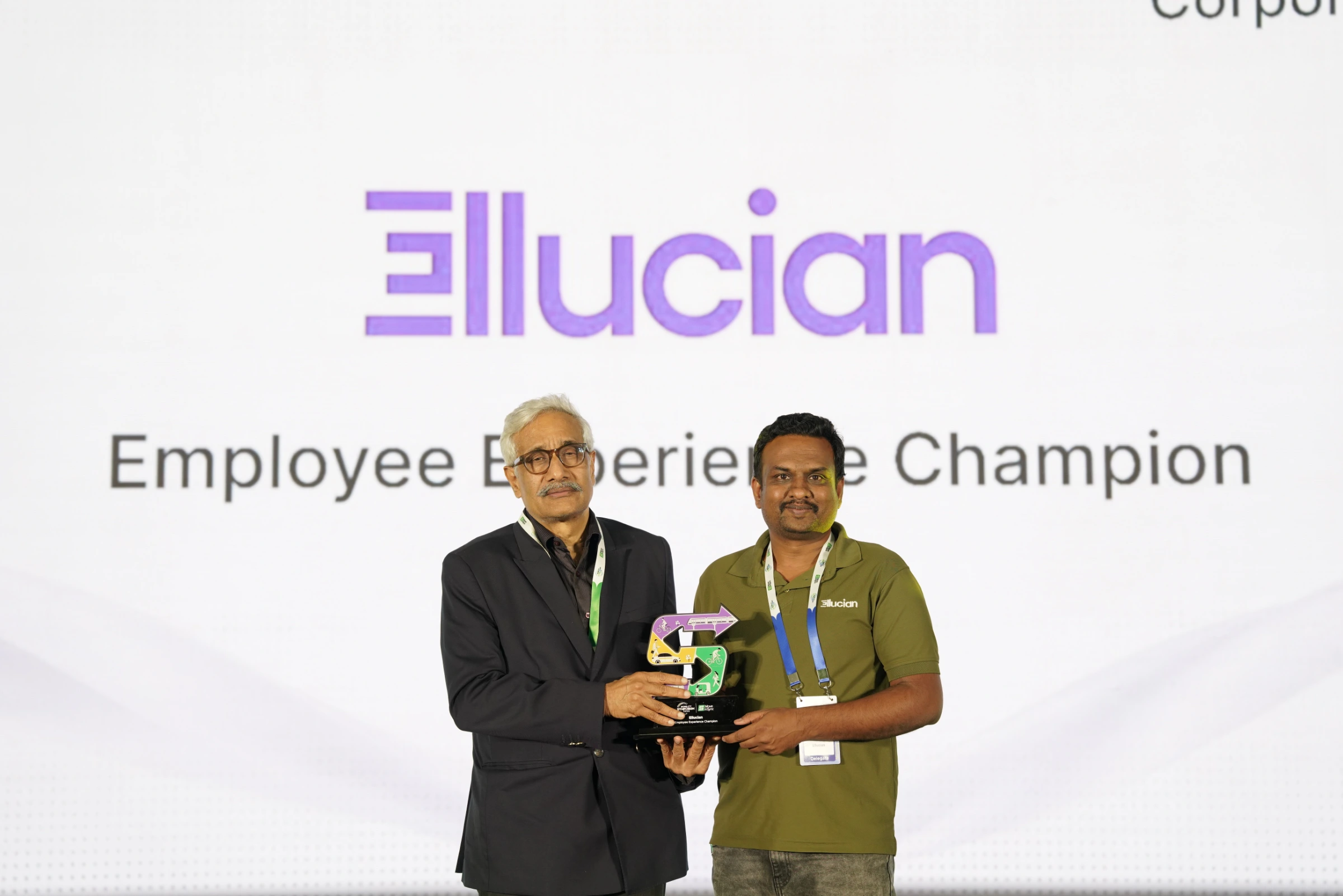
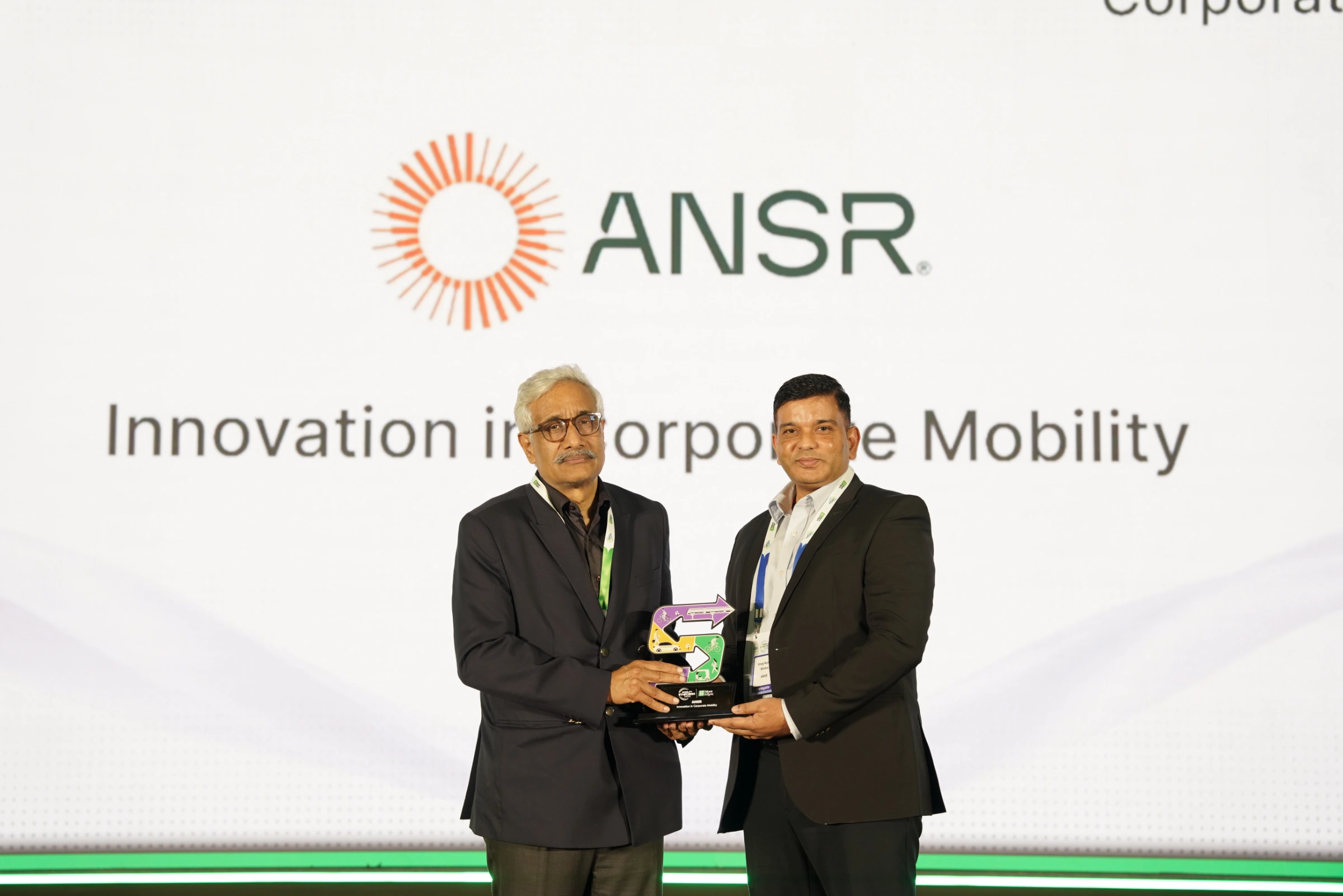
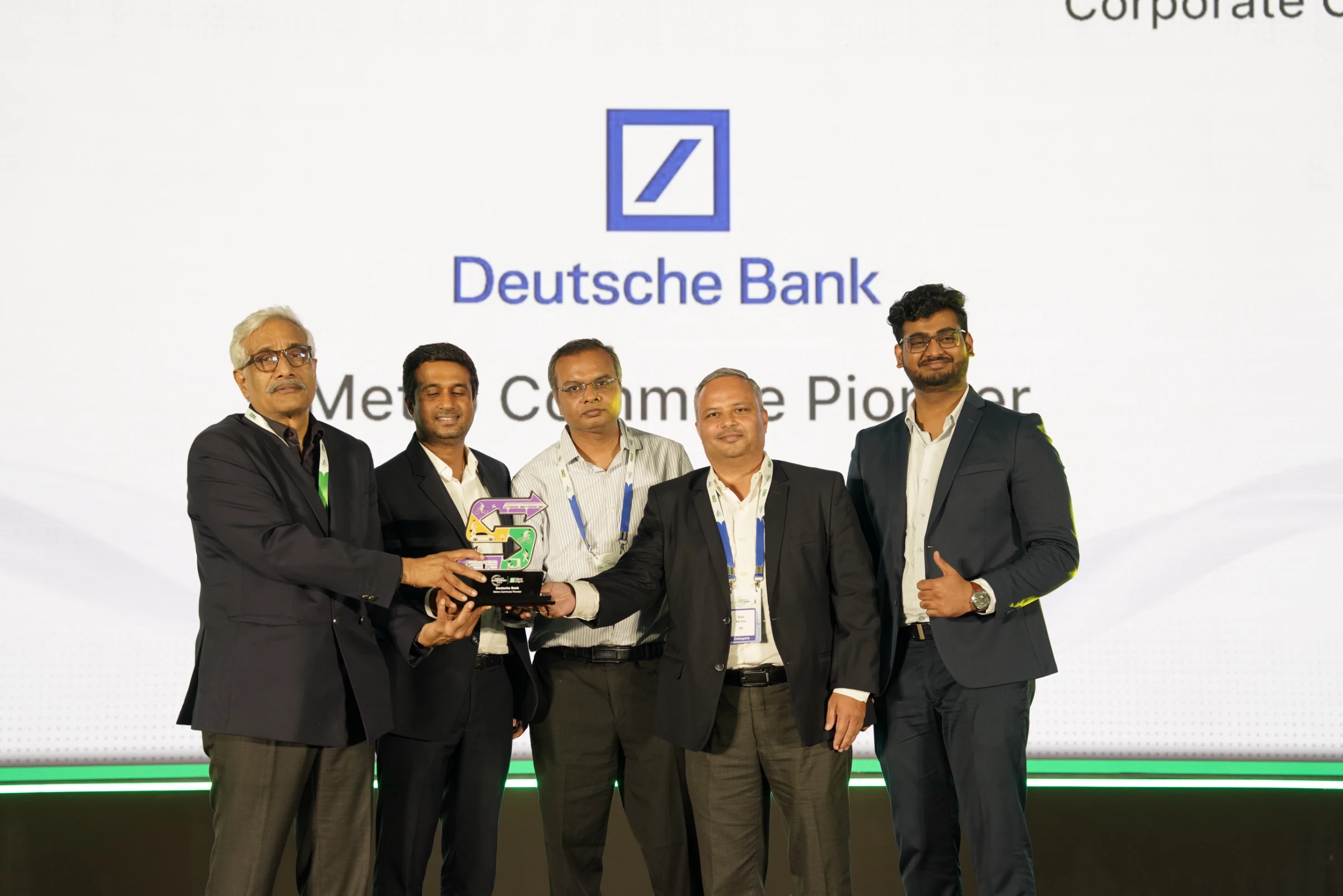
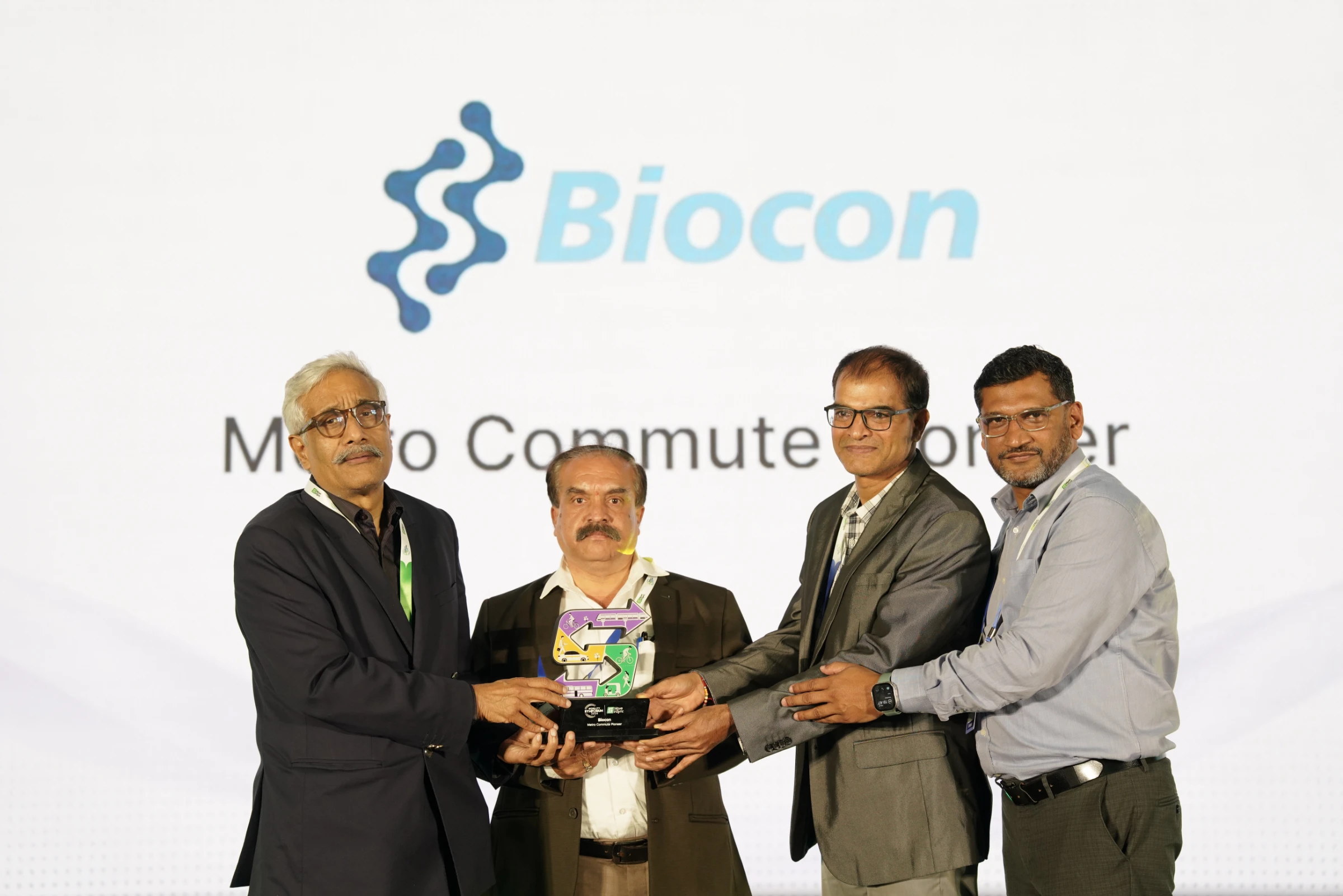
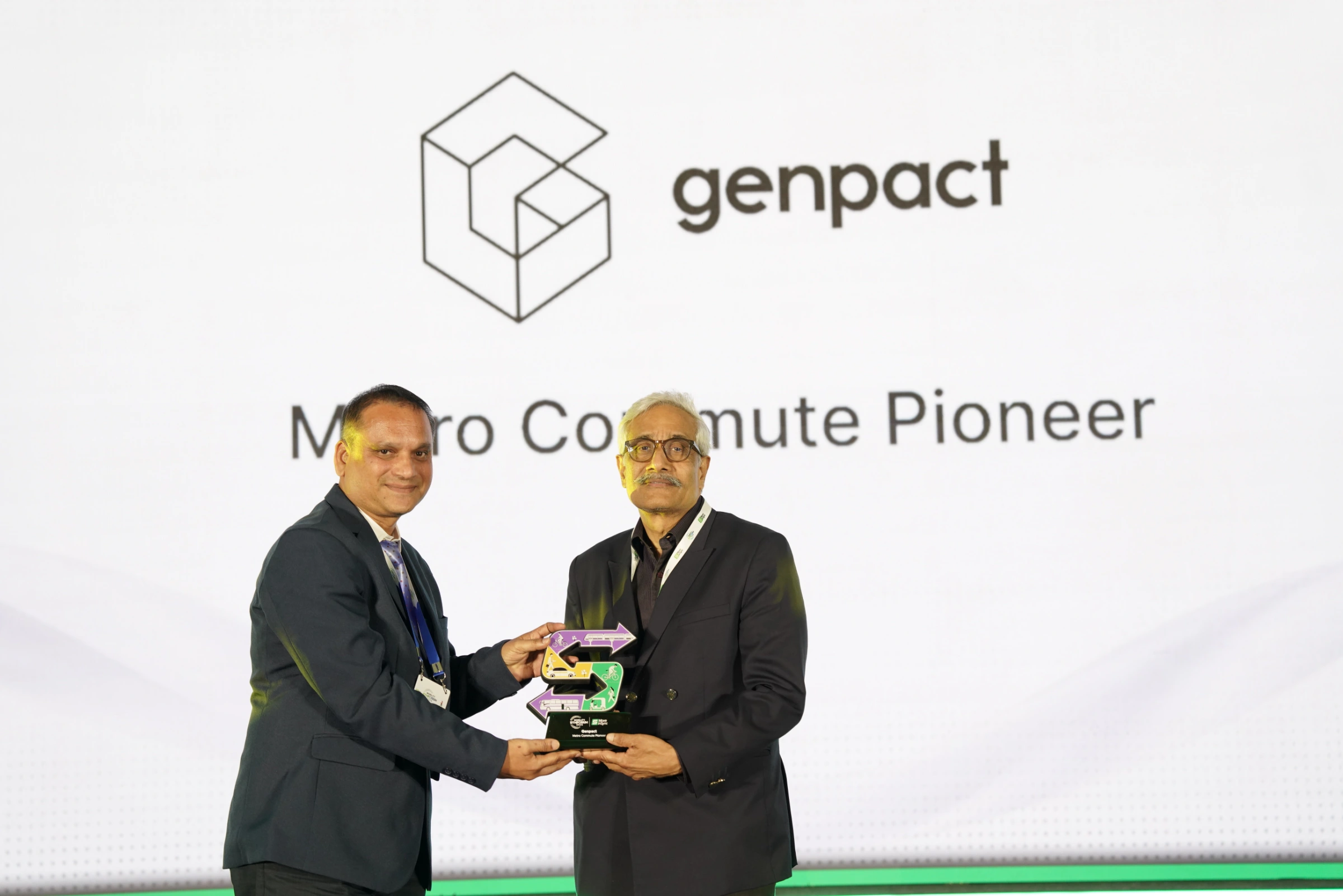
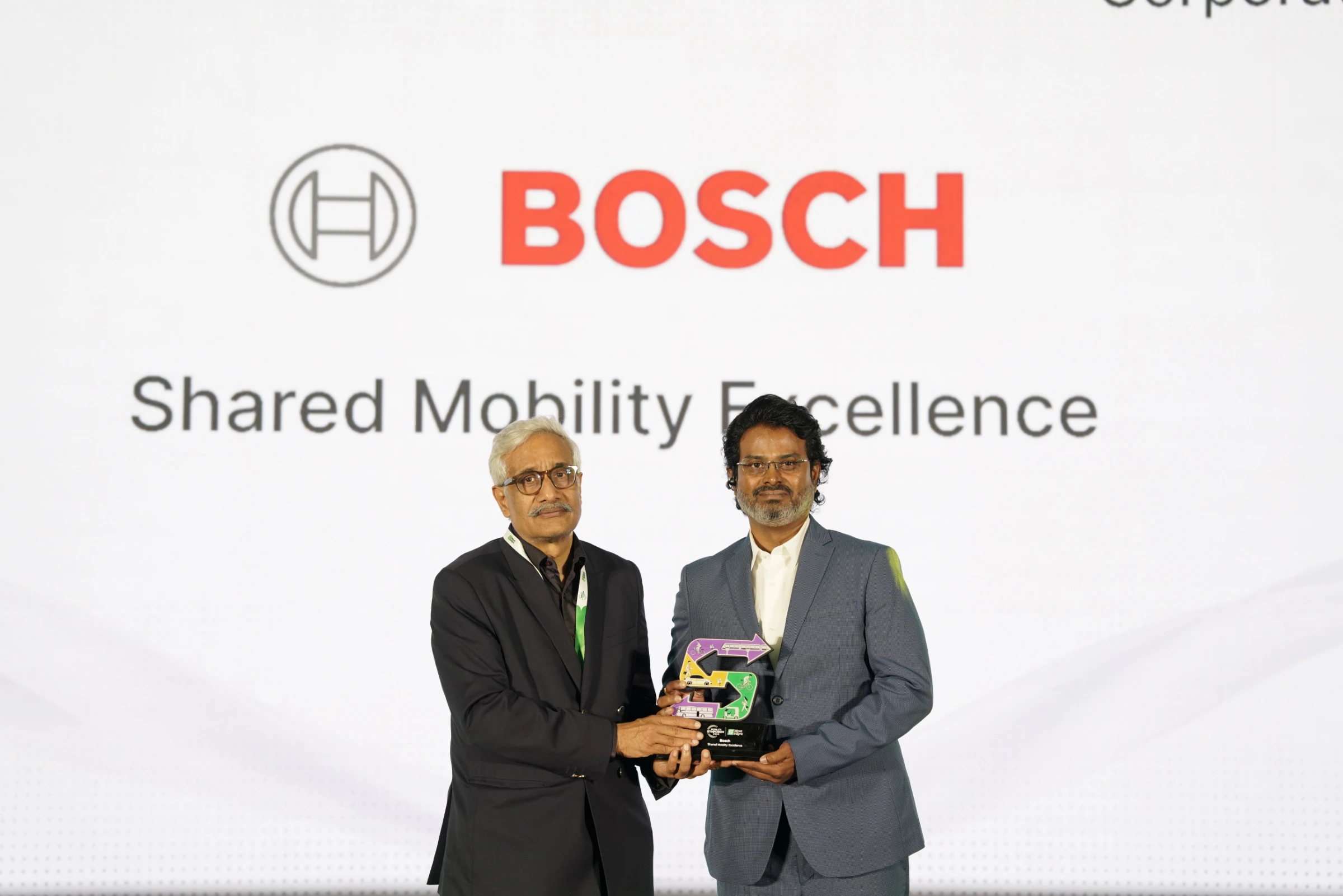
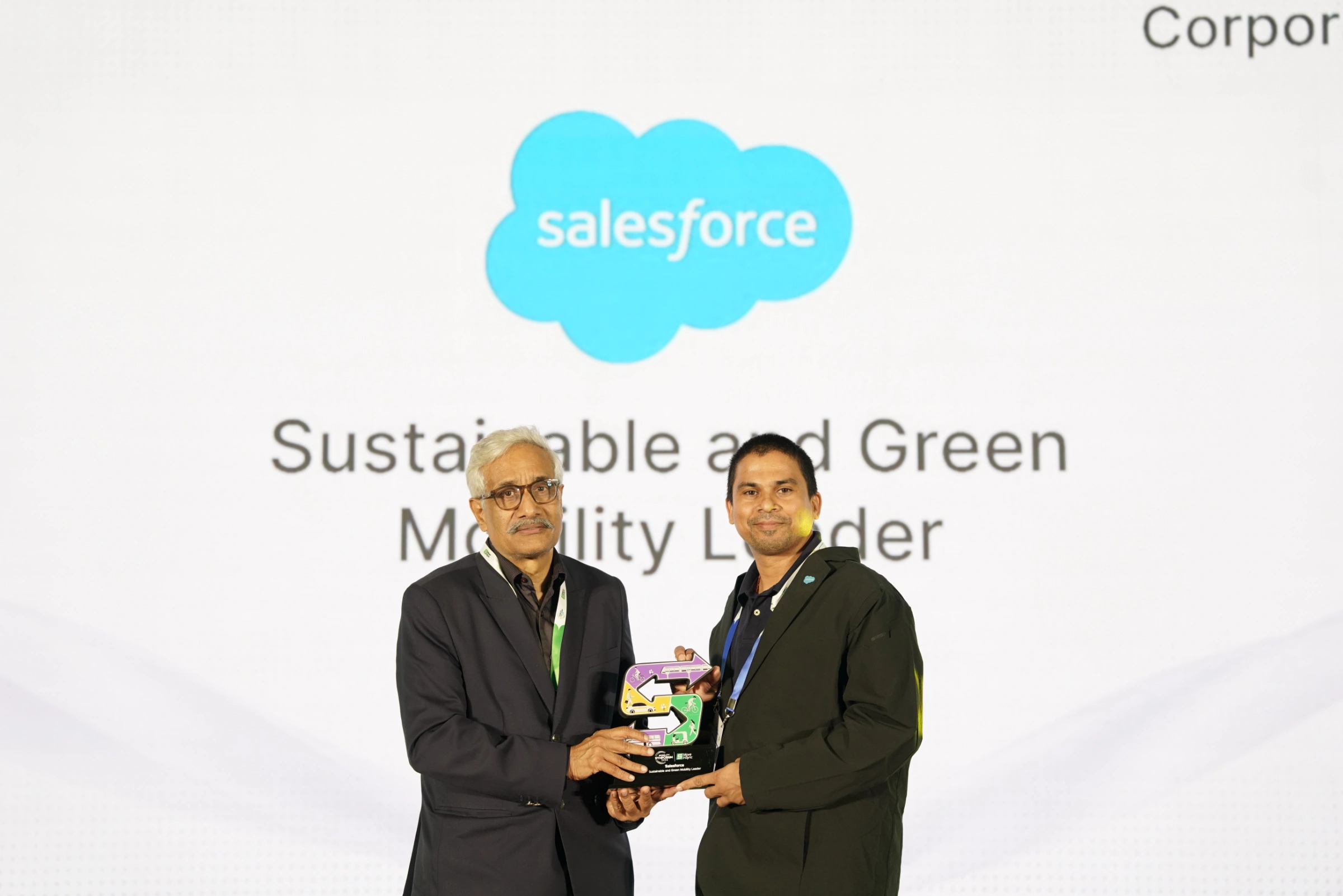
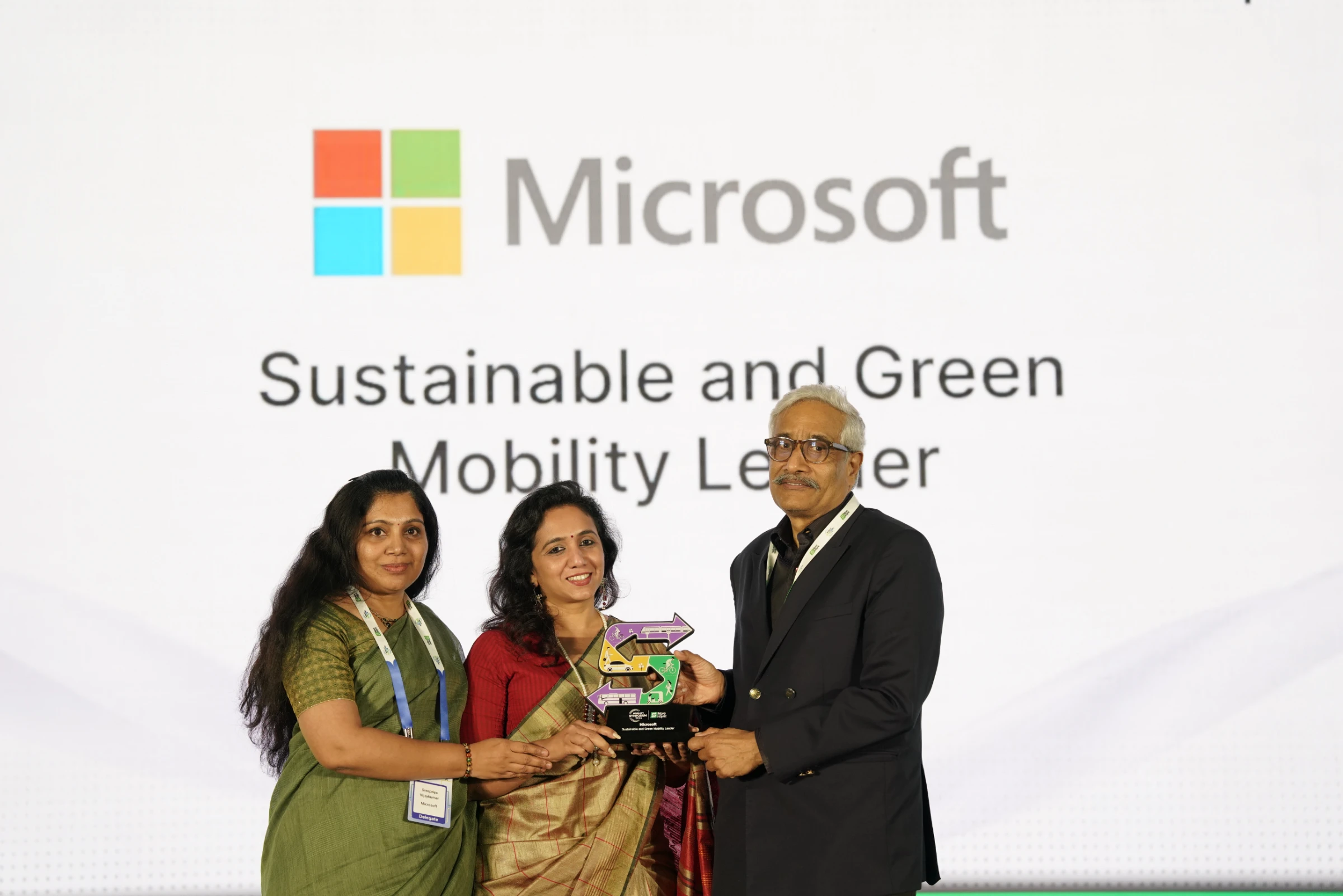
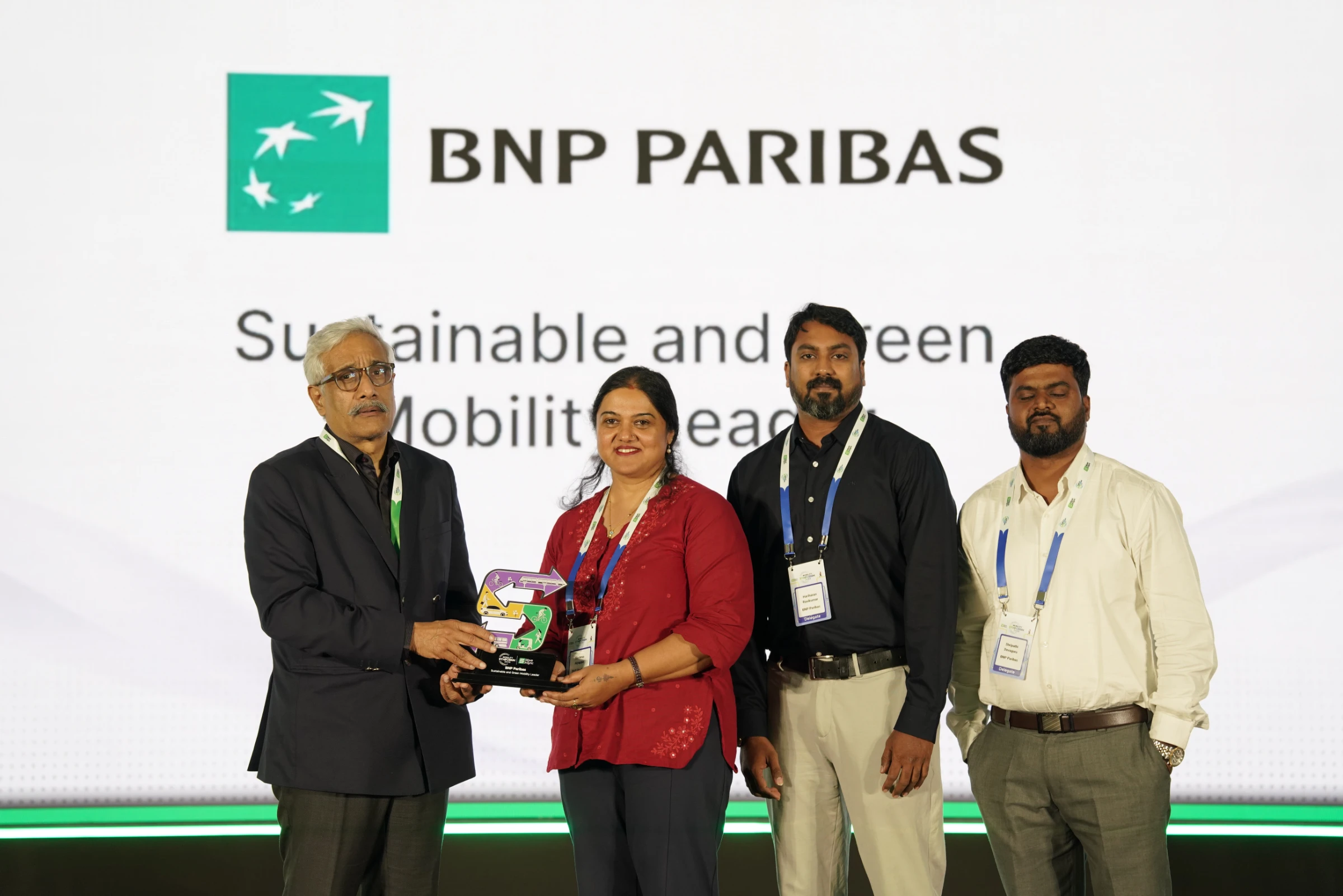
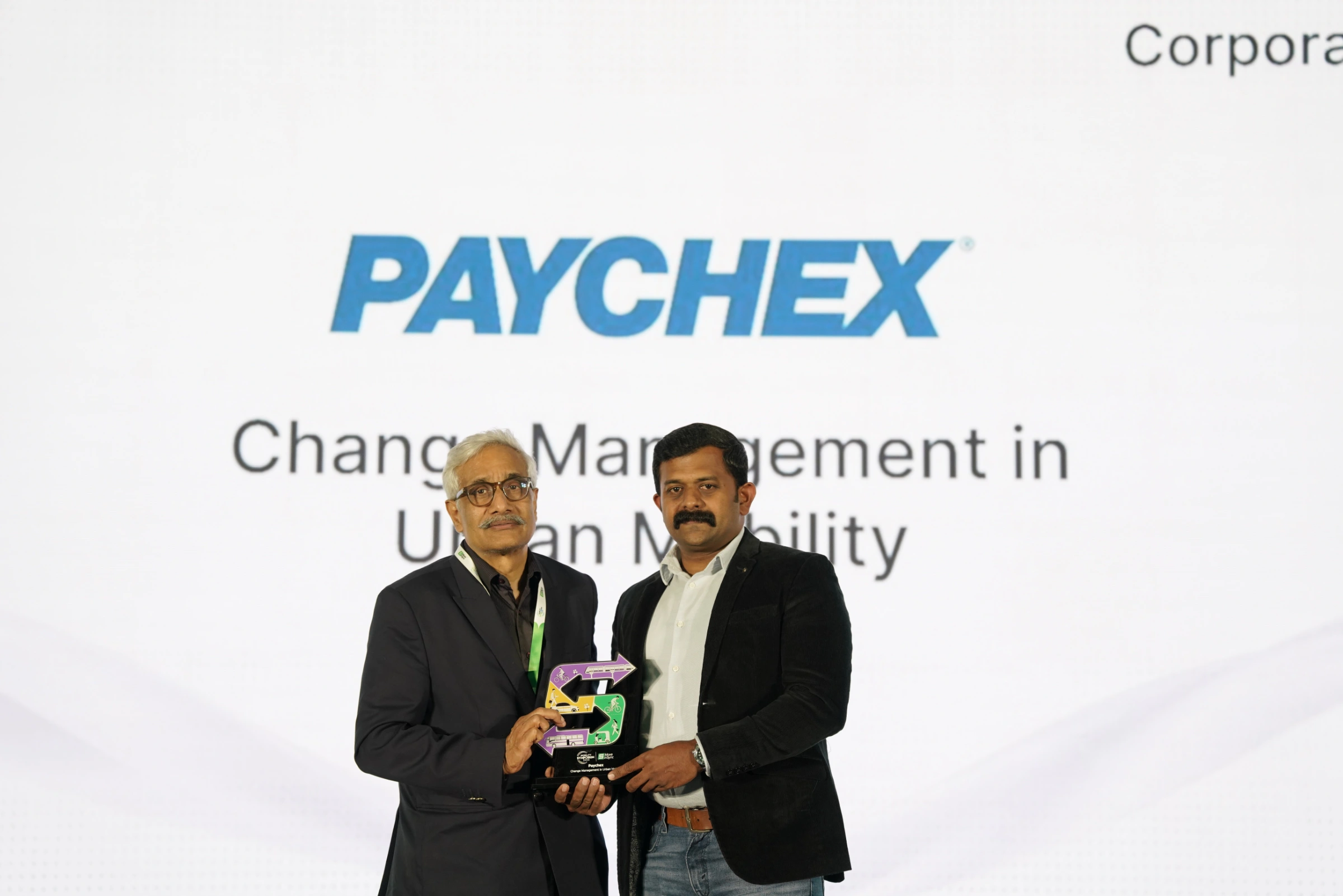
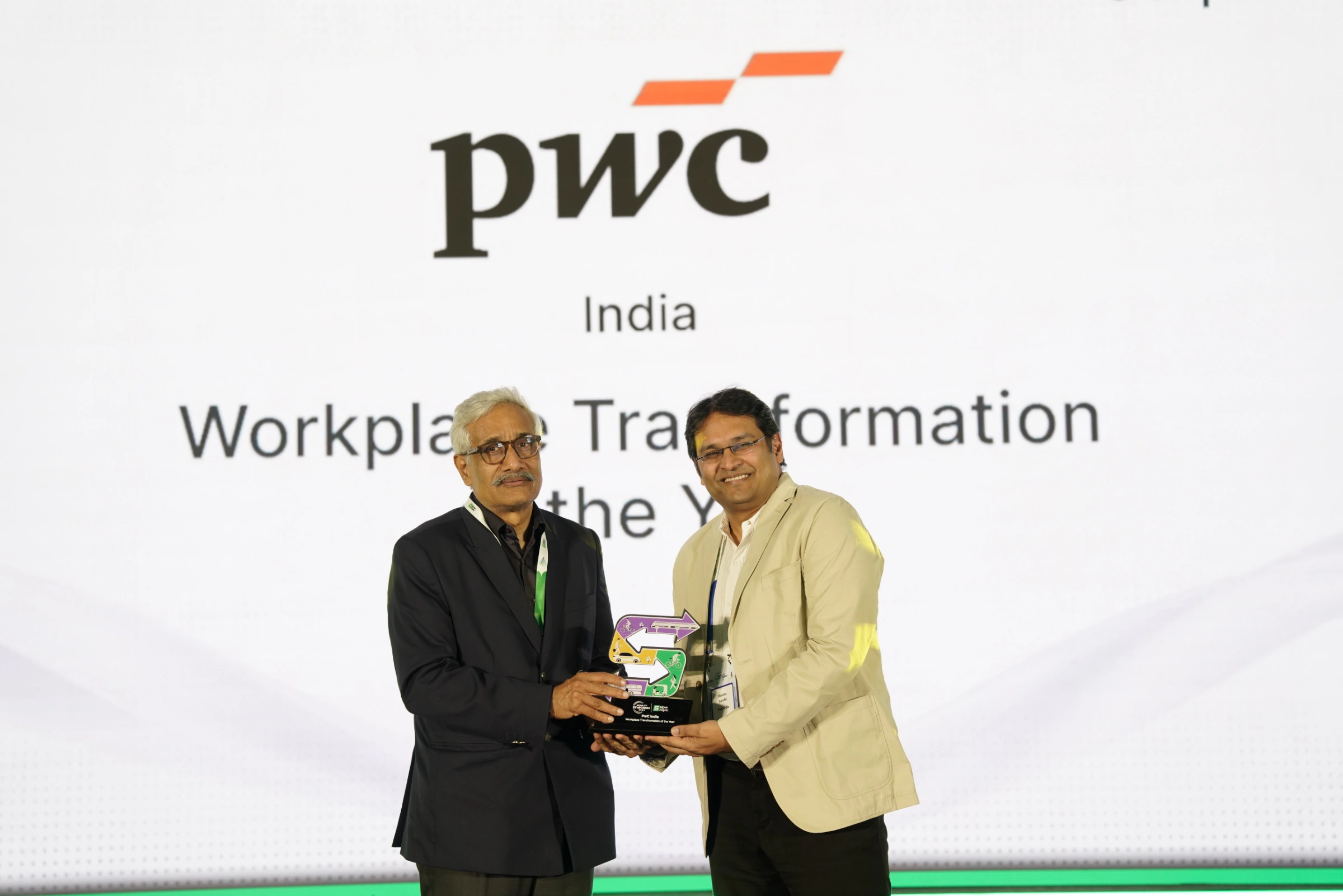
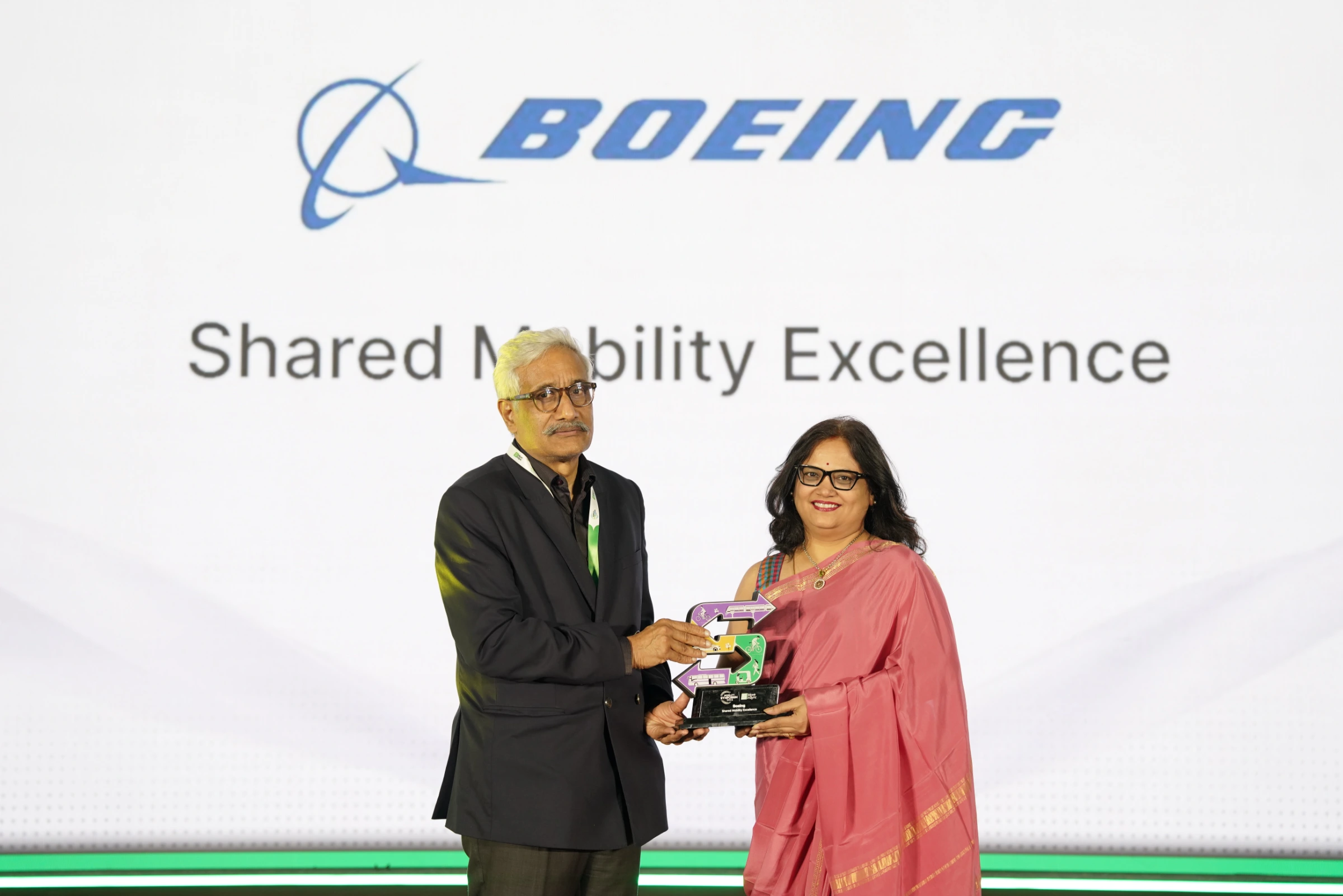
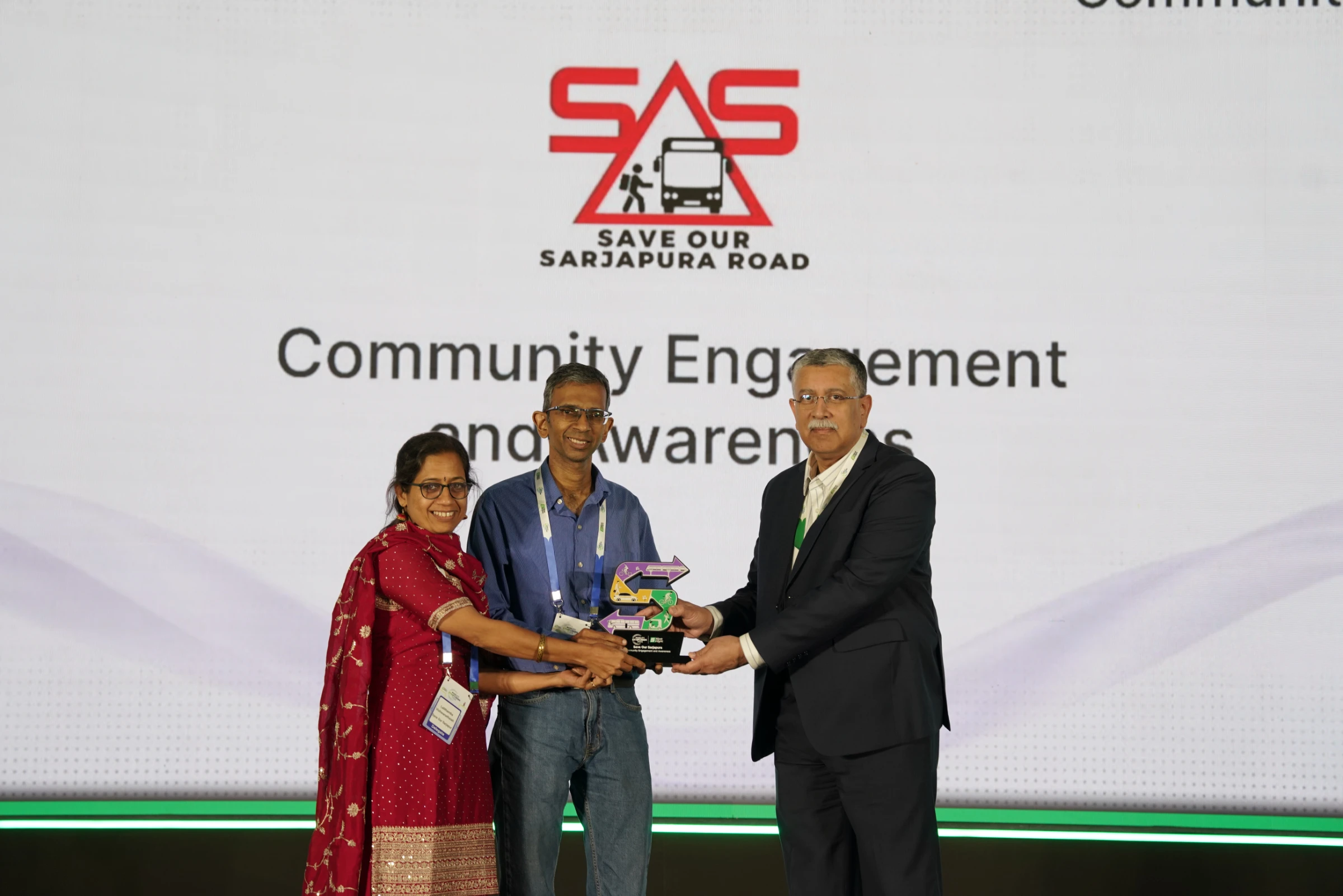
The evening closed by celebrating 35 organisations and individuals helping India's cities move better, from BMTC and Kochi Metro to citizen groups like Save Our Sarjapura and Walkaluru, and corporates leading on safety, shared mobility and EV adoption. Awards were presented by Dr. Sameer Sharma, IAS (Retd), and Vikram Kapur, IAS (Retd).